Why Claims Process Knowledge Matters
Customers choosing a collision repair shop face confusion about insurance procedures, repair timelines, and who pays what. Understanding the collision repair insurance claims process removes the anxiety that drives customers toward familiar dealerships. Shops that explain how the collision repair insurance claims process works clearly demonstrate they can guide customers through every step—from initial filing through final payment—removing barriers that prevent research-phase browsers from becoming confident clients.
High-intent customers researching repair costs
Customers Googling “collision repair cost” or “how much does insurance pay for body work” before calling shops want two things: transparent pricing and clear timeline expectations. They’re trying to understand whether they’ll pay out-of-pocket, how long their car will sit at the shop, and what happens if the adjuster’s estimate differs from the repair quote.
This uncertainty pushes many toward larger chain shops that advertise insurance partnerships and “simplified claims handling.” Independent shops lose these high-intent customers not because of quality concerns, but because perceived stability feels safer than transparency gaps.
When your website explains the collision repair insurance claims process step-by-step—including who pays what and when—you convert research-phase customers into confident clients who choose clarity over brand recognition.
Independent shops that explain the process
Independent collision shops that walk customers through each claim stage—from initial damage assessment to insurer approval to final payment allocation—transform anxious researchers into committed clients. When a shop explains who pays for what, when rental car coverage starts, and how long frame straightening actually takes, they demonstrate advocacy rather than sales pressure. This educational approach answers the questions customers are already searching for online. Positioning the shop as a partner in navigating insurance complexity.
Clear process explanations build confidence that converts browsers into bookings, turning collision repair from an intimidating transaction into an understandable sequence with predictable outcomes.
The Claims Timeline: Phase-by-Phase
Understanding when your car will be repaired starts with understanding the four distinct phases every insurance claim moves through. Each phase has its own timeline, and knowing what happens at each stage eliminates the anxiety that comes from waiting without information.
Initial Filing to Claims Assignment (1-2 Business Days)
The moment you report the accident to your insurance company. A claim number is generated and assigned to an adjuster. This phase typically completes within one to two business days, though higher-volume periods like winter storms or holiday weekends can extend this to three days. Your collision shop can’t begin official repair work until this assignment happens, but they can provide preliminary damage assessments and scheduling estimates.
Insurance Inspection and Damage Assessment (3-7 Business Days)
Once assigned, the adjuster schedules an inspection to document damage and write an initial estimate”…. This phase ranges from three days for routine cases to seven days when adjusters are managing heavy caseloads. Independent shops often coordinate directly with adjusters to expedite scheduling, while larger chain operations may wait for the adjuster to initiate contact. The assessment determines approved repair scope and triggers parts ordering.
Parts Ordering and Repair Scheduling (5-14 Business Days)
Parts availability drives the widest timeline variation in understanding how long does collision repair take. Common components for popular vehicle models may arrive in five to seven days, while specialty parts, imported components, or back-ordered items can take two weeks or longer. Independent shops typically communicate parts status proactively, updating customers as suppliers confirm delivery dates. This transparency reduces anxiety because customers understand delays stem from supply chains, not shop inefficiency.
Repair Execution and Final Inspection (7-21 Business Days)
Actual repair time depends on damage extent. Minor repairs like bumper replacement and paint matching take seven to ten days. Moderate damage involving multiple panels requires ten to fourteen days. Extensive structural repairs with frame straightening can extend to three weeks. Independent shops generally provide weekly progress updates, explaining what’s been completed and what remains, building confidence that the car repair timeline after accident reflects quality work rather than delays.
Cost Responsibility and Insurance Coverage
Understanding who pays what during collision repair starts with your deductible—the amount you’re responsible for before insurance coverage begins. Most policies carry deductibles that represent a meaningful portion of repair costs, which you pay directly to the repair shop. Here’s how it works: when your repair estimate comes in, you cover your deductible out-of-pocket, and your insurer covers the remainder of the approved costs.
Insurance policies typically cover the following:
- Collision damage to your vehicle’s structure, panels, glass, and paint related to the accident
- Hidden frame damage discovered during teardown
- Legitimate supplemental repair work
They don’t cover pre-existing damage, normal wear items like brake pads or tires, or mechanical failures unrelated to the collision. This distinction matters because supplemental damage—issues discovered during teardown that weren’t visible in initial photos—often creates confusion about coverage. When technicians remove a damaged fender and discover hidden frame damage underneath, that’s legitimate supplemental repair work, not an attempt to inflate costs.
Initial collision repair cost estimates are exactly that: educated assessments based on visible damage. The actual repair cost can shift when technicians access areas hidden behind bumpers, trim panels, or damaged components. Independent shops walk you through these discoveries before proceeding, explaining what the insurance adjuster will cover and what falls outside your policy terms. This transparency prevents surprise bills at pickup.
Independent collision centers maintain relationships with multiple parts suppliers, which creates pricing flexibility that larger chains operating under corporate contracts can’t match. When your shop can source an OEM fender from three different distributors instead of one predetermined supplier, they negotiate better pricing. Those savings flow directly to your repair estimate, keeping your out-of-pocket costs lower and potentially reducing how much your insurance pays—which matters for future premium calculations. The shops that explain these cost dynamics before you commit to repairs are the ones protecting your financial interest, not just processing another claim.

Communication Checkpoints
A transparent collision shop doesn’t wait for you to call asking for updates. They reach out proactively at five critical touchpoints:
- After the initial inspection when they’ve documented all damage
- Before ordering parts so you can approve the estimate
- When repair work actually begins
- When they discover supplemental damage requiring additional authorization
- Before final inspection when your vehicle is ready for pickup
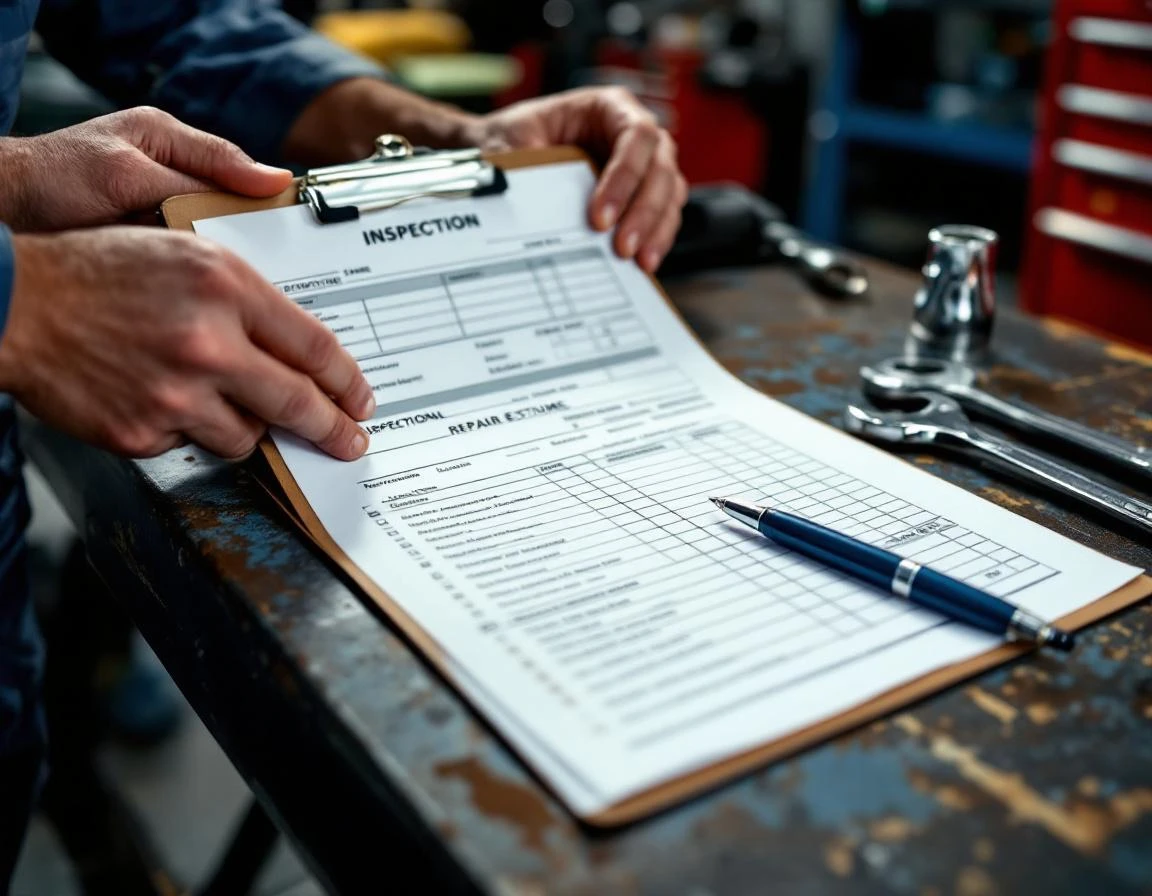
At each checkpoint, request written documentation. Keep copies of the detailed estimate showing parts and labor breakdowns, the inspection report with photos of damage, repair authorization forms you sign, and any supplemental damage notices. Independent shops excel at this direct communication because you’re typically speaking with the shop owner or manager who’s overseeing your specific repair. Not a call center representative reading from a script.
Watch for red flags that signal poor communication practices. Shops that don’t provide timeline estimates upfront are either inexperienced with insurance claims or trying to avoid accountability. If a shop goes silent for more than three business days without an update, that’s a warning sign. Quality shops understand that waiting creates anxiety, so they communicate even when the news is “we’re still waiting on the adjuster” or “parts are delayed two days.”
Why Independent Shops Excel Here
The claims process advantages explained in previous sections translate directly into structural benefits at independent collision repair shops. When a supplement estimate reveals additional frame damage during teardown, an independent shop owner can walk to the repair bay, assess the situation, and approve the work immediately if it serves the customer’s best interest. The same decision at a large chain requires photographs submitted to a regional manager, corporate approval workflows, and potentially multiple business days before work resumes.
This decision-making speed extends throughout the repair timeline. Independent shops prioritize parts availability based on individual customer needs rather than corporate purchasing contracts. If a customer needs their vehicle back for a family emergency, the shop owner can source alternative parts, adjust the repair schedule, or negotiate directly with the insurance adjuster without waiting for permission from corporate headquarters. Direct communication between customer and shop owner eliminates the translation errors that occur when messages pass through call center representatives and regional coordinators.
Timeline management becomes personalized rather than standardized. Chain shops operate on corporate scheduling systems designed for volume efficiency across multiple locations. Independent shops adapt repair schedules to customer circumstances, understanding that a parent with school-age children has different timeline needs than a retiree with a backup vehicle. This flexibility extends to pricing negotiations, where shop owners can discuss deductible payment plans or explain cost-saving alternatives without consulting corporate finance departments.
Customers who research the understanding auto insurance claims process before choosing a shop recognize these operational differences. The transparency independent shops provide during the education phase reflects the direct communication and faster decision-making they deliver during actual repairs. Understanding how claims work helps customers identify which shop structure serves their specific situation best. As vehicle complexity continues to reshape the collision repair industry. Choosing a shop that can adapt quickly to emerging repair challenges becomes increasingly important.