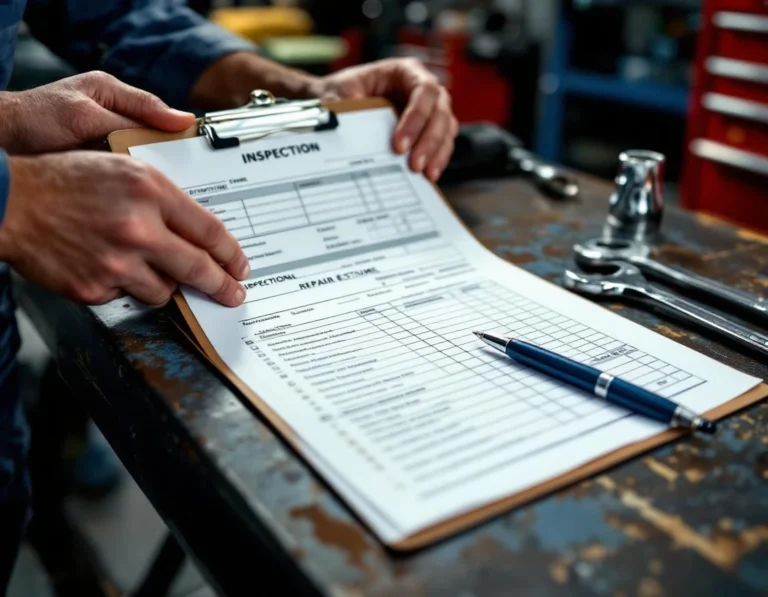
Why Claims Clarity Matters
Most drivers never read their insurance policy until they need it. When an accident happens, they’re suddenly navigating deductibles, coverage limits, depreciation formulas, and claims timelines they don’t understand. This knowledge gap creates vulnerability at precisely the moment when decisions matter most.
Confusion drives default behavior. Without a clear understanding of their rights and options, drivers accept whatever repair shop their insurance adjuster recommends. They don’t realize they can choose their own shop, challenge estimates, or question repair timelines. The insurance company controls the narrative because the customer doesn’t know enough to question it.
Auto body shops that publish transparent claims guides shift this dynamic entirely. When a driver searches “how does car insurance claims work” or “choosing body shop after accident,” your content establishes you as the authority before they ever speak to their insurance company. You’re not just capturing high-intent local searches—you’re converting confused researchers into informed customers who choose your shop directly, bypassing insurance referral networks entirely.
Filing Your Claim
The claim filing process begins the moment your vehicle sustains damage. Before contacting your insurance company, document the accident scene with photos showing all damage angles, vehicle positions, and surrounding conditions. This evidence protects you during the evaluation process.
Understanding what information your insurer requires before you make that first call puts you in control of the conversation rather than reacting to questions you weren’t prepared to answer.
Step-by-step process from accident to claim
The claim process begins before you contact your insurer. Start by documenting the accident scene with photos from multiple angles, capturing vehicle damage, road conditions, traffic signs, and the overall intersection or location. Exchange information with all drivers involved: names, phone numbers, insurance carriers, policy numbers, license plate numbers, and driver’s license details. If possible, collect contact information from witnesses.
Once you leave the scene, notify your insurance company within 24 hours. They’ll assign a claim number and adjuster to your case. The adjuster will schedule an inspection to assess damage and determine coverage. During this call, provide factual details about the accident without speculating about fault or admitting liability.
Prepare documentation before the adjuster inspection: your insurance policy, accident scene photos, police report number, repair estimates from body shops, and records of any medical treatment. Request copies of the adjuster’s damage assessment and repair authorization in writing. This documentation gives you clarity on approved repairs and helps prevent disputes when you select a repair facility.
How to contact your insurance company and what
Call your insurer’s claims department directly rather than your agent. Most insurers provide 24/7 claims hotlines that connect you to adjusters who can open your file immediately. Have your policy number, accident date, location, and the other driver’s insurance information ready before you dial.
Expect the initial call to last 15-30 minutes. The representative will assign a claim number, explain your coverage limits. And schedule an adjuster inspection. They’ll ask about injuries, damage extent, and whether your vehicle is drivable. Answer factually but avoid speculating about fault or saying the accident was “minor” before an adjuster evaluates the damage.
Common mistakes that derail claims:
- Agreeing to use the insurer’s preferred shop network before researching your options eliminates your choice of repairer.
- Accepting a settlement offer during the initial call before getting independent repair estimates leaves money on the table.
- Delaying the report by more than 24 hours raises red flags that can complicate approval, even when your policy allows longer reporting windows.
Deductibles and Coverage Limits
Your insurance policy contains two numbers that determine how much you’ll pay out-of-pocket for repairs: your deductible and your coverage limit. Most drivers don’t understand these terms until they’re standing in an auto body shop trying to figure out why their estimate doesn’t match what insurance will cover.
A deductible is the amount you pay before insurance contributes anything. If you have a $500 deductible and your fender bender costs $2,000 to repair, you pay $500 and insurance covers the remaining $1,500. If the damage only costs $400, you pay the entire bill because it’s below your deductible threshold. Higher deductibles lower your premium, but they also mean you’re carrying more financial risk when accidents happen.
A coverage limit is the maximum your insurer will pay for a single claim, regardless of actual repair costs. If you have a $10,000 collision coverage limit and your major accident requires $15,000 in frame straightening and panel replacement, insurance pays $10,000 and you’re responsible for the remaining $5,000—plus your deductible.
Understanding Your Coverage Types
Collision coverage pays for damage to your vehicle when you hit another car or object. This coverage handles non-collision events like hail damage, vandalism, or hitting a deer. Liability coverage pays for damage you cause to other people’s property, but does nothing for your own vehicle. Each type carries its own limits and deductibles.
Find these numbers on your declarations page—the summary document your insurer sends when your policy renews. Look for lines labeled “Collision Deductible,” “All-Risk Deductible,” and coverage limits listed as dollar amounts next to each coverage type. Before you schedule repairs, confirm these numbers so you know exactly what you’ll pay and what insurance covers.
Approval and Repair Coordination
After you file the claim, your insurance company assigns an adjuster to inspect your vehicle and create a damage estimate. Most insurers schedule this inspection within 24 to 48 hours of your initial call. The adjuster photographs the damage, documents affected components, and generates a repair estimate based on their assessment. This estimate determines what your insurer initially agrees to pay.
Once the adjuster completes their inspection, the approval process typically takes three to five business days. Your insurer reviews the estimate, confirms coverage under your policy, and issues authorization for repairs. You receive this authorization in writing, along with the approved estimate amount minus your deductible.
Here’s what many drivers don’t realize: you have the right to choose your own repair shop. Regardless of what your insurance company recommends. Insurers often steer customers toward preferred network shops that agree to lower labor rates and parts pricing. While these shops meet minimum standards, they may not deliver the quality or attention your vehicle deserves.
When you select an independent body shop, bring them the insurance estimate. Experienced shops review adjuster assessments and frequently identify missed damage or underestimated repair procedures. If your shop’s estimate differs from the insurer’s, they contact the adjuster directly to negotiate. This negotiation can include requesting a reinspection, providing documentation of additional damage, or citing repair procedure requirements from vehicle manufacturers.
Quality shops act as your advocate during this phase. They understand insurance company tactics, know how to document repair needs properly, and won’t cut corners to meet an artificially low estimate. This advocacy protects you from discovering hidden damage later or accepting repairs that restore appearance but not structural integrity. Choosing your shop means choosing someone who answers to you, not your insurance company’s bottom line.
Avoiding Common Claim Delays
Most claim delays stem from preventable documentation mistakes. Missing photos from the accident scene, incomplete police report information, or vague descriptions of how the collision occurred create verification problems that extend timelines by weeks. Adjusters need clear evidence to match your account with physical damage patterns. When photos show impact angles but your written statement describes a different collision scenario, red flags trigger additional investigation rounds.
Delayed reporting creates its own problems. Waiting days to file gives insurers grounds to question whether additional damage occurred after the accident. Most policies require prompt notification—typically within 24 to 72 hours. Late reporting doesn’t automatically deny your claim, but it invites scrutiny that slows approval. The longer the gap between accident and report, the more documentation you’ll need to prove your timeline.
Starting repairs before receiving written authorization from your insurer is among the costliest mistakes. Your policy requires approval before work begins. Unauthorized repairs mean you’re personally responsible for costs the insurer later disputes.
Some drivers assume verbal approval over the phone counts—it doesn’t. Wait for explicit written or email authorization that references your claim number and approved repair scope.
Experienced collision shops recognize these pitfalls before they become problems. They verify that your documentation package includes all required elements, confirm timely filing, and verify that adjuster authorization is documented before any technician touches your vehicle. Shops working within insurance networks often prioritize speed over thorough documentation. Independent shops focused on quality repairs know that proper front-end documentation prevents back-end delays that extend your time without a vehicle. Their familiarity with insurer requirements keeps your claim moving forward rather than circling back for missing information.
Next Steps: Choosing Your Repair Shop
You now understand your deductible, your coverage limits, and the timeline your claim will follow from first contact through final repair approval. This knowledge shifts the power dynamic. Instead of accepting the insurance company’s preferred shop list because you don’t know what else to do, you can choose a repair facility based on expertise, transparency, and customer advocacy.
The best collision shops are the ones that explain every step before it happens. They walk you through what the adjuster will look for during the inspection. They prepare the estimate documentation that supports proper repair procedures rather than accepting low-ball numbers. They communicate directly with your insurer on your behalf, handling the back-and-forth negotiations so you don’t spend hours on hold with claims departments.
Look for shops that treat insurance claims as their specialty. Not just something they deal with occasionally. These facilities know how to document damage thoroughly, submit supplement requests when hidden issues appear during teardown, and push back when adjusters try to authorize used parts on newer vehicles. They understand your policy language as well as the adjuster does.
Now that you understand how your claim works, contact us to discuss your repair. We’ll review your coverage, explain our process, and show you why experience with insurance negotiations matters when your car needs restoration to pre-accident condition.