Why Independent Shops Need Educational Content
When a car owner searches for “brake pad replacement cost” or “how much does transmission repair cost,” they’re not looking for a phone number—they’re researching before they trust anyone with their vehicle. Franchise chains dominate these searches through national ad spend and brand recognition, but their content rarely addresses local pricing, regional service approaches, or the transparency customers actually want. A strong local auto shop marketing strategy recognizes this gap: independent shops lose these customers not because they lack expertise, but because that expertise remains invisible until someone walks through the door.
The advantage independent shops hold is real and substantial: they know their local market, they understand regional vehicle issues like rust-belt corrosion or desert heat damage, and they can explain repair processes in plain language their franchise competitors don’t bother with. But this advantage only converts customers when it’s visible online. Educational blog content captures the research phase—the moment when potential customers are comparing options and deciding who to trust. A post explaining why brake rotors warp and when resurfacing works versus replacement demonstrates knowledge that generic franchise content can’t match.
Transparent cost breakdowns change the appointment dynamic entirely. When customers find a post explaining “Timing Belt Replacement: Parts, Labor, and Why It Matters,” they arrive informed rather than defensive. They’ve already seen your expertise, understand the repair process, and know approximate pricing. This eliminates the price-comparison phone calls where customers pit three shops against each other based solely on the lowest quote.
Search engines reward this transparency directly. Google’s local search algorithm prioritizes content that answers specific queries with relevant, location-specific information. Independent shops publishing repair guides and maintenance timelines consistently outrank franchise chains in local results because their content matches what nearby customers actually search for. The shop that publishes educational content doesn’t just build trust—it becomes the first result customers see when they need help.
Five Core Educational Posts Every Shop Needs
A content library that captures local search traffic starts with five foundational post types. Auto repair educational content strategy that explains repair processes, breaks down pricing, and guides maintenance decisions addresses the questions customers ask before choosing a shop. These core posts form the baseline that independent shops can build on, covering the high-intent searches that drive appointments and establish expertise before the first phone call.
Repair process walkthroughs (e.g., brake pad replacement)
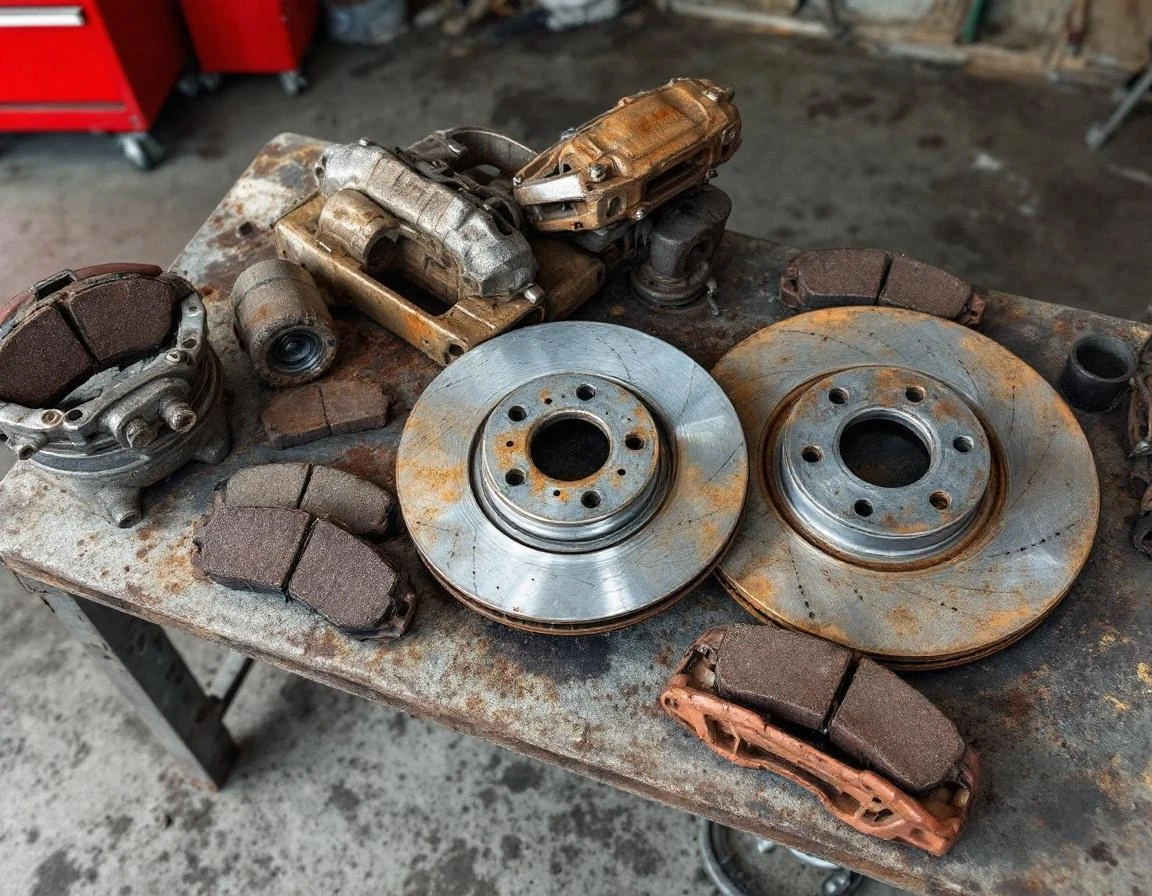
Step-by-step repair walkthroughs transform complex procedures into searchable educational content that captures symptom-based queries. A brake pad replacement guide should document the inspection process, explain how worn pads affect stopping distance, show the measurement points mechanics check, and describe the caliper service that accompanies pad installation. These posts answer questions customers search before choosing a shop: “How long does brake pad replacement take?” or “What else gets replaced with brake pads?”
Cost breakdown templates provide the transparency that builds trust. Structure each estimate explanation with three components:
- Parts pricing with OEM versus aftermarket comparisons
- Labor hours broken down by specific tasks
- Timeline expectations from drop-off to pickup
Explain why costs vary based on vehicle make, brake system complexity, rotor condition, and whether calipers need rebuild or replacement.
Seasonal maintenance guides aligned to local climate patterns capture recurring search traffic. Winter prep content for cold-weather markets should cover battery load testing procedures, coolant concentration checks, and tire pressure adjustments for temperature drops. Spring guides for areas with harsh winters explain underbody corrosion inspection, AC system testing after dormant months, and suspension component checks after pothole season.
Common diagnostic mistakes customers make (and
Customers who search symptoms on generic forums often arrive at shops with self-diagnosed conclusions that send technicians down the wrong path. When a driver insists a check engine light means a specific sensor replacement, shops waste time ruling out misdiagnoses before addressing the actual problem. Independent shops that publish diagnostic process guides—explaining how technicians systematically narrow possibilities using scan tools, visual inspections, and component testing—educate customers on professional methodology while capturing searches like “check engine light diagnosis process.”
Franchise chains typically offer standardized pricing menus and corporate-mandated procedures that limit customization. Independent shops can publish transparent cost breakdowns showing labor rates, parts markup percentages, and optional service tiers. This local mechanic transparency customer trust approach differentiates from franchise opacity while building confidence through specificity before contact occurs.
Cost Breakdown Template and Implementation
A standardized cost breakdown template transforms pricing conversations from defensive to educational. The template structure starts with parts cost (with specific part names and supplier quality levels), labor hours (broken down by task), shop rate justification, and total estimate range. Each section explains variables that affect the final number rather than hiding behind a single quote.
Consider a spring replacement cost breakdown post targeting “garage door spring replacement cost.” The template shows: torsion spring hardware (varies by door weight and cycle rating), winding bars and safety equipment, labor performed by shop technicians, and disposal fees. The post explains why prices vary: door size, spring quality (ranging from basic to commercial-grade durability), and whether cables need replacement during the same visit. This transparency answers the customer’s research question while demonstrating expertise.
Presenting Pricing Without Competitive Disadvantage
Frame pricing ranges rather than exact numbers, and always explain the mechanism behind variation. A transmission fluid service post lists the cost of synthetic fluid based on required quantity, filter replacement expenses that vary by vehicle, pan gasket replacement, and labor time. The explanation covers why some transmissions require pan removal while others use a drain plug, making the labor difference clear and justified.
These breakdowns reduce appointment no-shows because customers arrive with realistic expectations rather than sticker shock. When someone searches “brake job cost breakdown,” your post showing parts (pads, rotors, hardware), labor tasks (caliper inspection, rotor resurfacing or replacement), and why ceramic pads cost more than semi-metallic captures that high-intent search. The customer comparing three shops chooses the one that proved transparency before they walked in the door.

Local Search Rankings and Traffic Metrics
Educational content captures search intent that generic franchise pages miss entirely. A post titled “Brake Pad Replacement Cost in Denver” ranks for location-specific queries that national chains can’t compete for because their content addresses no particular market. When customers search “how much does brake repair cost near me” or “average brake job price in [city],” they’re comparing options and researching before making appointment calls. Educational posts optimized for these comparison keywords place independent shops directly in that decision window.
The keyword clustering strategy for how to market independent auto repair shop content centers on three dimensions:
- Repair type
- Local geography
- Cost transparency
A single brake service post can rank for “brake pad replacement cost,” “Denver brake service pricing,” “local mechanic brake repair,” and “transparent auto repair estimates” when structured around clear pricing ranges and location-specific context. Franchise content rarely addresses local market conditions or provides pricing frameworks, creating an opening for independent shops to dominate these high-intent searches.
Combining local service listings with educational blog content creates a ranking advantage that compounds over time. Service pages target transactional queries like “brake repair Denver,” while blog posts capture earlier research-stage searches like “signs you need new brake pads” and “brake repair vs replacement.” This content pairing meets customers at multiple touchpoints and builds visibility across the full search funnel.
Posts addressing local mechanic transparency customer trust and comparison shopping earn traffic from buyers who value detailed explanations over corporate marketing. The auto repair educational content strategy works because it answers specific questions that drive appointment decisions, turning search visibility into shop traffic before competitors even appear in results.
Publishing Cadence and Content Calendar
Independent shops don’t need the three-posts-per-week grind that franchise chains maintain. One high-quality, transparent post per month builds authority without burning out your team. Start with five to seven cornerstone posts covering your highest-volume repair types:
- Brake service
- Oil changes
- Engine diagnostics
- Transmission work
- Seasonal maintenance
These foundational pieces capture the bulk of your local search traffic and establish your expertise across core services.
After launching your cornerstone content, maintain SEO momentum with one new post monthly. Search engines reward consistency over frequency. A shop publishing monthly for twelve months outranks competitors posting sporadically, even if those competitors publish more total content. Your editorial calendar should align with seasonal customer needs: publish winter damage posts in March as spring arrives, cooling system guides in May before summer heat, and battery replacement content in October before cold weather strikes.
Mine your appointment booking data to identify recurring customer questions. If customers frequently ask about diagnostic fees, write a diagnostic process guide. If brake noise concerns dominate your service calls, create a brake sound diagnosis post. This approach for small auto shop content marketing tips means every piece addresses real search intent from your local market, making your content library a direct pipeline from educational searches to booked appointments.
Tracking Appointment Bookings and Content ROI
Independent auto shop owners need proof that educational content converts to appointments. The measurement framework is simple: UTM parameters in Google Analytics track which blog posts drive booking actions. While call tracking software identifies phone inquiries that follow educational content visits.
Start with UTM tagging. Add parameters to every link you share on social media or directories pointing to your blog posts: ?utm_source=facebook&utm_medium=social&utm_campaign=brake-guide. In Google Analytics, configure conversion goals that fire when visitors reach your appointment confirmation page or submit your contact form. This creates a direct line connecting a specific repair walkthrough to a scheduled appointment.
For phone bookings, services like CallRail assign unique tracking numbers to blog visitors. When someone reads your brake cost breakdown article and then calls, you know that content drove the inquiry. Connect these data points to see which post types convert best.
Expect realistic conversion rates for a local market: 100 monthly blog visitors typically generate 2-3 appointment inquiries, yielding a 2-3% conversion rate. Small numbers compound over time as your content library grows and organic search rankings improve.
Test variations of your automotive repair cost breakdown blog posts format. Try presenting total costs first versus itemized breakdowns first. Track which version produces more form submissions. Small optimization cycles improve conversion without additional traffic investment.