Why Immediate Storm Damage Roof Assessment Matters
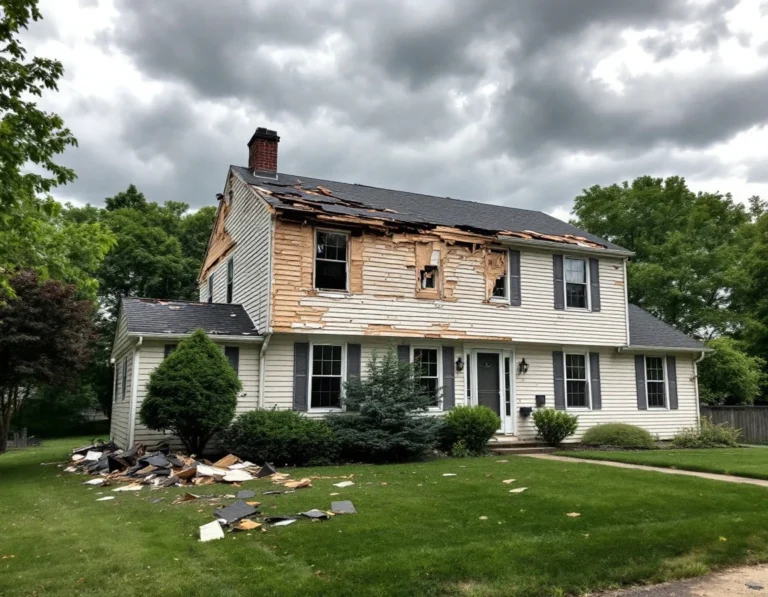
Storm damage roof assessment sets the foundation for both insurance approval and contractor scheduling. Photos and notes captured within hours create a verifiable timeline that adjusters trust and roofers need to prepare accurate estimates before spring demand fills their schedules.
Spring storms create urgent homeowner search
When hail batters a neighborhood or high winds lift shingles, homeowners immediately search for damage assessment guidance and insurance claim instructions. Search traffic spikes within hours of storm events as property owners photograph dented gutters, missing shingles, and cracked flashing before the next weather system arrives.
Documentation speed determines claim outcomes. Insurers process claims faster when homeowners submit professional-quality photos showing damage patterns, measurement references, and multiple angles within the first 24 hours. Contractors prioritize callbacks for prospects who already have damage documentation ready, knowing these homeowners understand the urgency and won’t delay scheduling.
Delayed photos lose detail and create insurance processing bottlenecks
Waiting even 24 hours to photograph storm damage introduces problems that slow your entire claim. Wind-blown debris gets cleared away, tarps cover exposed areas, and rain washes away granule loss patterns that adjusters use to assess shingle damage. Insurance companies process claims with clear documentation first, meaning delayed photos push your file to the bottom of the review queue during peak spring storm season when thousands of homeowners submit simultaneously.
Contractors face their busiest booking windows in April and May when storm activity peaks across residential roofing markets. Roofers who can start projects quickly prioritize homeowners with approved claims and ready financing.
Immediate documentation creates a complete damage record that speeds adjuster review and gets you on contractor schedules before they fill completely.
Safe Smartphone Documentation Checklist
Start your exterior documentation from ground level, using your smartphone’s zoom function to capture roof details without climbing ladders. Focus on the following damage types:
- Granule loss—photograph shingles that appear darker or show bare spots where protective granules have washed away from hail impacts
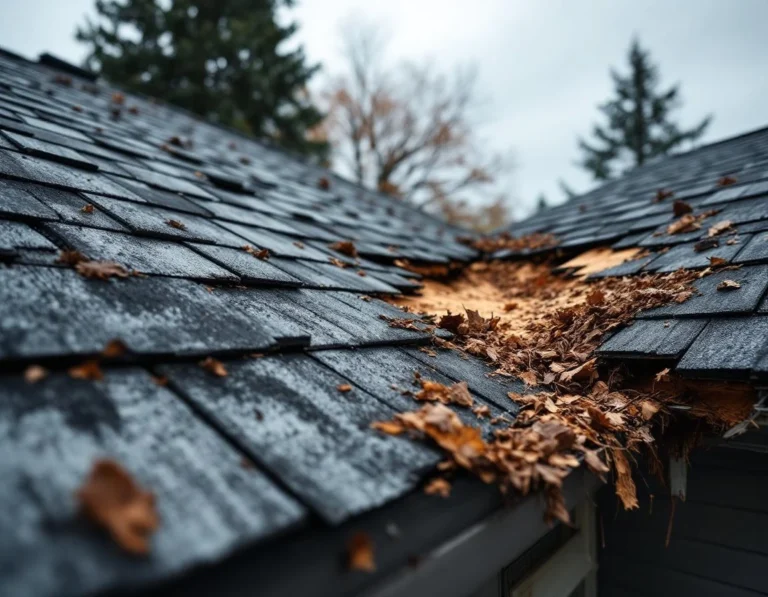
- Missing or lifted shingles—photograph the gaps and exposed underlayment, making sure your images show the surrounding intact shingles for context
- Tree contact damage—photograph the branch impact points, any visible punctures, and the proximity of remaining branches that pose ongoing risk
- Hail impact evidence on roof penetrations like vents, chimneys, and satellite dishes, which often show dents more clearly than shingles
- Gutter and downspout damage—photograph dent patterns that confirm hail size and storm intensity
Move indoors to document interior penetration signs before they fade or dry. Photograph water stains on ceilings, making sure your images capture the stain’s full extent and its location relative to rooms and walls. Enter your attic with a flashlight and photograph moisture on rafters, wet insulation, and any visible daylight penetrating through the roof deck. These interior photos prove that exterior damage has compromised your home’s weather barrier, strengthening your insurance claim beyond surface-level shingle issues.
Take each damage area from three distances: wide context shots showing room location, medium shots revealing the full stain or moisture pattern, and close-ups displaying texture details adjusters use to assess damage age and severity.
Insurance Claim Timeline & Sequencing
The sequence you follow when contacting insurers and contractors determines whether you get an adjuster visit scheduled this week or next month. Call your insurance company within 24 hours of the storm, and have your photo documentation open on your phone during the call. Reference specific damage locations and counts: “I have photos showing twelve missing shingles on the north slope and hail impact damage on the ridge vent.” This level of detail moves your claim from the general queue into priority scheduling.
When you speak with your insurance representative, provide three pieces of information immediately:
- The date and time of the storm event
- The specific damage types you documented with photos
- Whether you’ve observed any interior water penetration
Mention ceiling stains or attic moisture during this initial call, even if you haven’t fully investigated yet. Filing your claim before conducting a detailed interior inspection protects you from having water damage classified as a maintenance issue rather than storm damage covered under your policy.
Once your claim number is assigned, request professional roof inspections from contractors within 48 hours. April and May represent peak season for roofing work across most regions, and contractors fill their schedules quickly after major storm events. Roofers prioritize homeowners who already have active claim numbers and photo documentation ready to share. When you call for estimates, lead with: “I filed a storm damage claim yesterday, claim number [X], and I have exterior and attic photos available for your assessment.”
Submit contractor repair estimates to your insurance adjuster as soon as you receive them, typically within three to five days of the storm. Early submission accomplishes two goals: it accelerates the adjuster’s inspection timeline because they can compare your contractor’s assessment against their own findings, and it reserves your spot on the contractor’s schedule before peak demand fills available slots through June.
Red Flags for Professional Inspection
Some storm damage requires immediate professional assessment rather than waiting days for your insurance adjuster.
Active leaks, visible interior water stains, or ceiling discoloration indicate water is penetrating the roof system now, and the damage compounds with every hour of delay.
Water infiltration spreads through insulation, framing, and drywall, creating secondary damage that insurers scrutinize closely during claim reviews.
Watch for these warning signs that require urgent professional assessment:
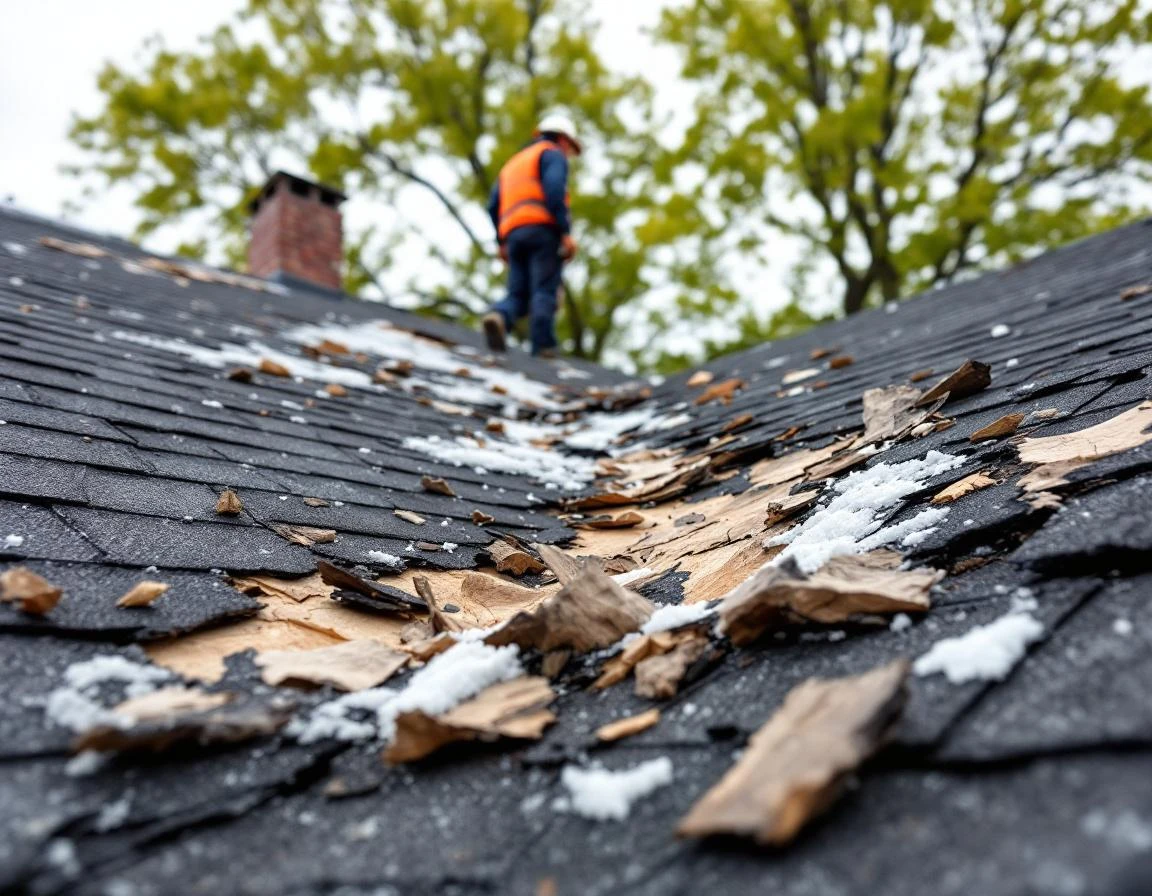
- Granule loss covering more than 10% of the visible roof surface—signals that the protective coating has failed across large areas and the underlying material is exposed to UV damage
- Multiple missing shingles or large hail dents measuring more than one inch across—point toward full replacement needs rather than spot repairs
- Gutter damage or tree limb contact—raises concerns about internal framing impact when gutters are bent or torn away from fascia boards, or when tree limbs struck the roof
Document these conditions. But schedule a professional inspection within 24 hours. The roofing contractor can assess whether the damage extends to underlayment and decking, which photos alone cannot reveal. Tree limbs that struck the roof may have compressed or cracked rafters beneath intact shingles. These structural issues require professional evaluation before filing your claim, as the adjuster needs accurate damage scope documentation to approve appropriate repairs.
Contractor Availability in Spring Peak Season
The April and May storm corridor creates a predictable capacity crunch for roofing contractors. Within 48 to 72 hours after major weather events, reputable contractors book their schedules four to six weeks out as homeowners across affected neighborhoods submit damage claims simultaneously. This compressed timeline rewards homeowners who complete their documentation and roof damage insurance claim process first.
Contractors prioritize scheduling based on which homeowners have approved claims and signed repair estimates in hand. When you submit professional photos and damage descriptions within the first 24 hours after a storm, your insurance adjuster can complete their assessment faster—often within three to five days rather than two weeks. That speed difference determines whether you secure a repair slot in early May or get pushed to mid-June.
The practical reality is stark: homeowners who wait a week to document damage and file claims enter the scheduling queue behind dozens of neighbors who acted immediately. During peak season, that delay translates to waiting four additional weeks for repairs while exposed roof areas continue deteriorating. Multiple contractor estimates compound this challenge, since each roofer needs clear damage documentation to provide accurate quotes. Submitting incomplete information forces contractors to schedule return visits, consuming appointment slots that could have gone to your actual repair work.
Next Steps After Storm Damage Assessment Complete
Once you’ve captured photos and damage descriptions, organize your evidence before contacting anyone. Create folders on your phone or computer labeled by damage location—roof surface, gutters, chimney, interior ceiling stains—and add brief descriptions with timestamps to each photo. This organized presentation helps adjusters process your claim faster than receiving fifty random images without context.
Contact your insurance company first, ideally within 24 hours of the storm. While waiting for your adjuster appointment, reach out to 2-3 local roofing contractors for preliminary assessments. This parallel approach means you’ll have damage estimates ready when the adjuster arrives, not scrambling to find contractors afterward. Having documentation and initial repair estimates at the adjuster meeting demonstrates preparation that can accelerate approval decisions.
The moment your claim receives approval, contact your chosen contractor immediately. April and May bring peak booking pressure across the roofing industry. Delays of even a few days can push your repair appointment weeks into the future as contractor schedules fill. Documenting damage now prevents the crisis-mode scramble that forces homeowners to accept whatever contractor has availability, regardless of reputation or pricing. Preparation today creates decision-making flexibility tomorrow.