Post-Storm Search Behavior Window
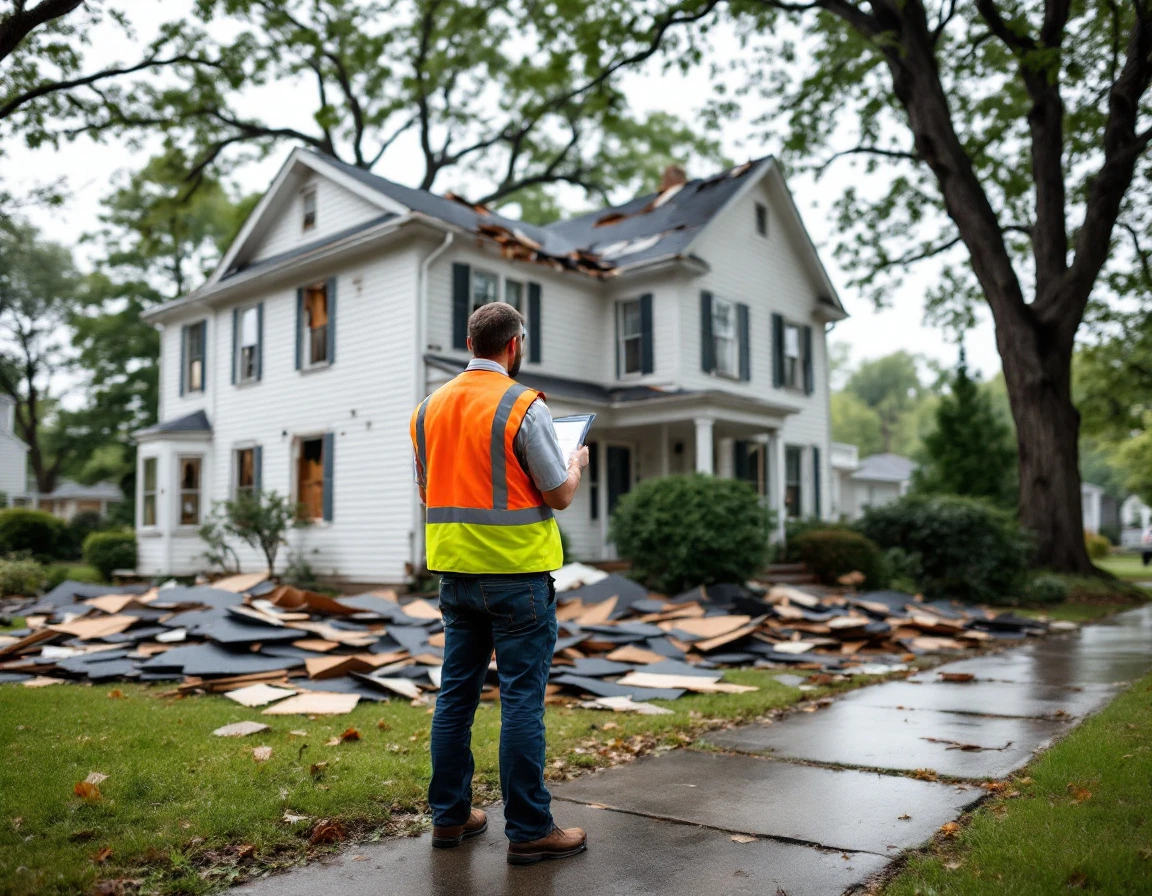
Homeowners begin searching for storm damage siding repair contractors within hours of severe weather impact, creating a brief window when search volume spikes and competition for visibility intensifies.
Homeowners search for siding repair contractors
The window for capturing storm-damaged homeowner inquiries is narrow. Within 24 to 48 hours after severe weather hits, homeowners begin searching for emergency siding damage assessment and repair solutions, creating an immediate demand spike that overwhelms local search results. Search volume for terms like emergency siding damage assessment and post-storm siding contractor near me spikes 300-400% immediately after storm events.
This surge creates a brief but critical opportunity for contractors who are ready to respond. The homeowners searching during this window are actively seeking help, comparing options, and making decisions quickly—often choosing contractors who appear at the top of search results with relevant storm response content already published and visible.
Competitors without pre-published content lose
While your competitors scramble to write blog posts after a storm hits, they’re losing inquiries to contractors who already published damage assessment guides weeks earlier. Those first few days matter because homeowners search frantically for help, and search engines prioritize established content over hastily written posts.
First-responder positioning in search results captures the lion’s share of available storm repair budgets in your region. By the time competitors publish their content and wait for Google to index it, you’ve already fielded dozens of assessment requests from homeowners who found your pre-published guide ranking at the top of their search results.
Pre-Built Asset Strategy for Storm Damage Siding Repair
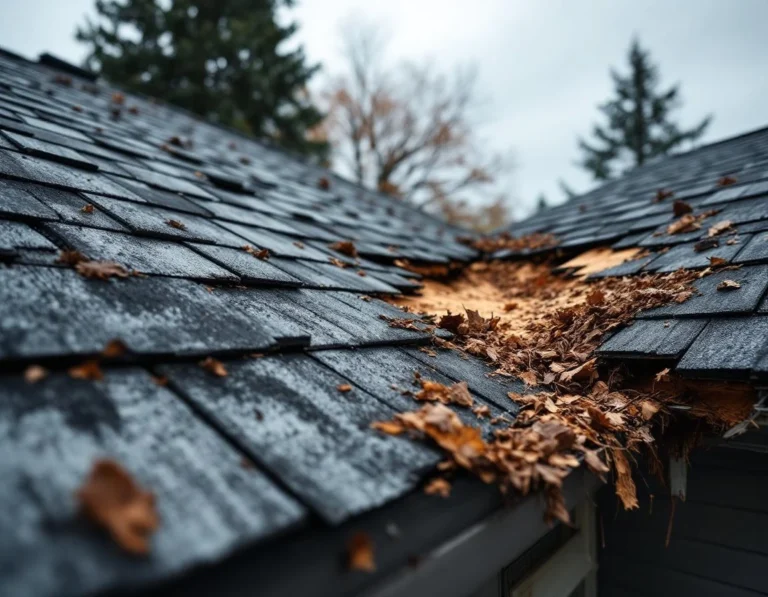
The speed advantage comes from assets you build once and deploy repeatedly. Before storm season starts, create a library of damage assessment guides organized by damage type: wind damage to lap siding, hail impact on vinyl, moisture intrusion behind fiber cement. Each guide should include photographic checklists homeowners can use to document damage, insurance terminology that matches what adjusters look for, and clear next-step instructions. These guides serve homeowners in the immediate aftermath when they’re standing in their yard trying to determine whether they need repairs.
Your siding insurance claim documentation becomes the second deployment layer. Pre-write explanations of how wind and hail coverage works, what documentation insurance companies require, and the difference between actual cash value and replacement cost policies. Include fillable templates for damage inventories and photo documentation requirements. Homeowners searching for claim guidance in the 48 hours after a storm need this information before they call their adjuster, and contractors who provide it become the trusted resource guiding the entire process.
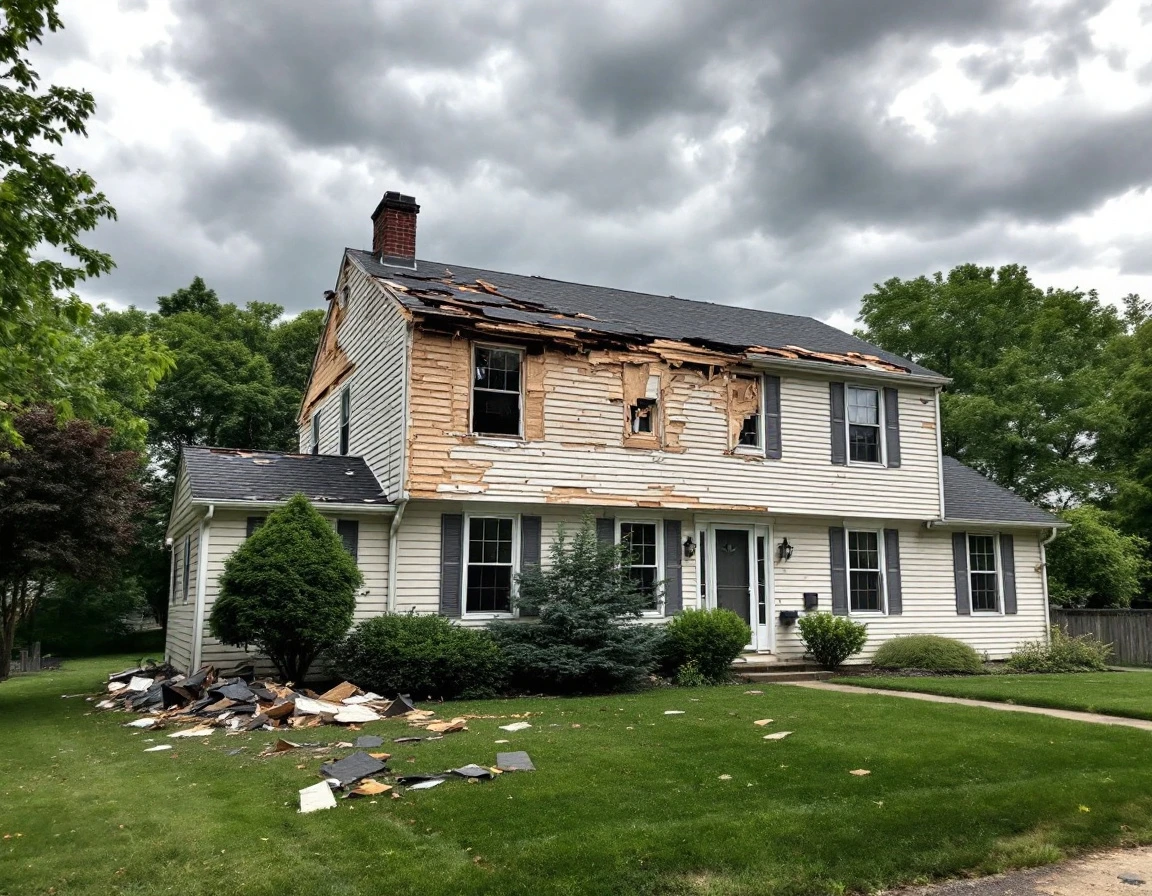
The before-and-after case study library demonstrates your storm response capability instantly. Organize projects by damage severity and siding material: minor hail damage on vinyl, severe wind damage requiring full replacement, water intrusion repairs behind fiber cement. Each case study should show the assessment process, insurance considerations, and final outcome. When a homeowner searches for examples of storm damage repair on their specific siding type, these pre-built case studies appear immediately while competitors are still scheduling their first estimate.
Regional storm response playbooks tie everything together. If your market experiences specific weather patterns—coastal hurricane exposure, hailstorm corridors, ice dam regions—build content addressing those exact scenarios. This geographical specificity makes your content more relevant than generic storm damage articles, establishing you as the contractor who understands local conditions and their specific impact on exterior systems.
Weather-Triggered Publishing Setup
The technical foundation for autonomous storm-response publishing connects your content library directly to regional weather monitoring systems. Contractors configure their publishing platform to monitor National Weather Service alerts, NOAA storm severity data, and regional radar feeds for their service area. When specific weather conditions are detected, the system activates pre-selected content assets without manual intervention.
Storm severity thresholds determine which content deploys. A basic thunderstorm warning might trigger a general storm preparation guide, while hail reports exceeding one inch activate your rapid response siding repair guides, before-and-after photo gallery, and insurance claim framework simultaneously. Straight-line wind events above 60 mph deploy siding vulnerability content and emergency repair guides. Each threshold connects to specific content packages matched to the damage homeowners will discover.
Timing synchronization matters as much as the trigger itself. The publishing engine releases content within 15-30 minutes of the first storm severity alert, positioning your articles in search results alongside local news coverage of the weather event. Homeowners searching for storm damage information during and immediately after the event encounter your expertise before they find competitor websites or generic repair advice.
Geofence parameters maintain content reaches only affected homeowners. If hail strikes the northern half of your metro area, the system publishes storm content visible to searchers in those ZIP codes while withholding it from unaffected neighborhoods. This precision prevents diluting your authority by publishing irrelevant storm content to homeowners who experienced clear skies, maintaining the relevance that search algorithms reward.

Competitive Dominance Timeline
Pre-published contractors establish search visibility within two hours of storm impact, while reactive competitors spend three to seven days creating content from scratch. This timing gap translates directly into market share capture: contractors who deploy pre-built assets immediately rank in local search results before most homeowners have finished assessing their property damage. By the time competitors publish their first storm response post, the first-mover has already captured the majority of regional search traffic and inquiry volume.
The advantage compounds rapidly. First-responder positioning in search results captures more than sixty percent of local search clicks before competitors’ content goes live. Homeowners searching for storm damage assessments encounter the prepared contractor’s guides, insurance claim frameworks, and local case studies while other businesses remain invisible.
This early visibility creates a bookmarking and sharing effect—homeowners flag the helpful resource, send links to neighbors, and return to request estimates before expanding their search.
Contractors who arrive late to the search results face a fundamentally different competitive environment. The prepared contractor has already established authority positioning through helpful content, allowing them to compete on expertise and value rather than price. Late-arriving competitors find themselves forced into price-based competition, attempting to win inquiries through discounting rather than demonstrated knowledge. This dynamic protects margins for the first-responder while compressing profitability for reactive competitors.
The timeline advantage extends beyond initial inquiries. Homeowners who bookmark content from the first-responder contractor create referral momentum that persists for weeks. They share assessment guides with neighbors, tag the contractor in community social media discussions, and recommend the resource to friends facing similar damage. This organic amplification builds sustained visibility that outlasts the immediate storm response window, establishing long-term regional market dominance.
Implementation & Metrics
Production begins ninety days before your region’s peak storm season. Build the complete asset library with the following components:
- Damage assessment guides for common siding materials
- Insurance claim documentation frameworks
- Contractor selection checklists
- Local case studies
This timeline gives you space to refine content quality without deadline pressure and means search engines have indexed your material before the first storm hits.
Track conversion metrics that directly measure storm response performance. Monitor inquiry volume spikes within forty-eight hours of weather events, comparing pre-storm baseline contact rates to post-deployment numbers. Calculate cost-per-acquisition for storm-driven leads versus your standard marketing channels. Measure average job value during the post-storm window, which typically runs higher than routine repair requests because homeowners are addressing widespread damage rather than isolated maintenance issues.
Content performance reveals which assets drive inquiries and which need refinement. Track time-to-first-ranking for each storm content piece to validate your pre-publishing strategy. Monitor click-through rates from search results and page dwell time to identify which damage assessment guides hold homeowner attention. Form submission rate tells you whether your calls-to-action align with emergency decision-making behavior.
Review performance monthly during off-season. Validate whether your weather alert thresholds triggered appropriately—wind speed minimums, hail size parameters, storm path proximity settings. Assess which content assets generated the highest inquiry conversion and which sat dormant. Refine your library before the next season, adding material coverage for damage patterns you observed and removing content that didn’t match actual homeowner needs. This cycle transforms your storm response system from reactive deployment into a refined competitive advantage that strengthens with each weather event.