Protection Mechanisms
Paint protection falls into two categories: barrier methods that physically block contact, and surface treatments that enhance resistance. A ceramic coating vs PPF comparison reveals how each mechanism works and which solution addresses your specific threats.
Ceramic coating bonds to clear coat
Ceramic coatings work at the molecular level, bonding directly to your vehicle’s clear coat through a chemical cross-linking process. Once cured, the silicon dioxide compound creates a permanent hydrophobic surface layer that repels water, contaminants, and UV radiation. This thin coating—typically 2-5 microns—enhances gloss and makes washing easier, but provides minimal impact resistance.
Paint protection film takes a completely different approach to safeguarding your paint. The thermoplastic urethane construction ranges from 6-8 mils thick, absorbing impact energy from road debris, stone chips, and abrasion. When a rock strikes PPF, the flexible urethane compresses and disperses the force across its thickness, preventing the impact from reaching your paint. This physical barrier stops damage that would punch straight through a ceramic coating’s chemical bond.
Each addresses different damage types
Ceramic coatings and PPF protect against distinct threats rather than overlapping vulnerabilities.
- PPF handles physical damage—rock chips, scratches from road debris, minor abrasions from branches or parking lot contact. Its thermoplastic construction absorbs impact energy that would otherwise fracture clear coat or penetrate to base paint layers.
- Ceramic coatings address chemical and environmental damage. The silica-based molecular bond creates resistance to acid rain, bird droppings, tree sap, and industrial fallout that etch unprotected clear coat.
Both solutions preserve factory paint, but PPF does so by taking the hit itself, while ceramic coatings prevent contaminants from bonding to the surface in the first place.
Cost-Benefit Analysis
Understanding the financial commitment behind each protection option requires looking beyond sticker prices to total ownership costs across realistic timeframes. Ceramic coating typically costs between $500 and $2,000 for professional application, with durability ranging from two to five years depending on product quality and maintenance habits. Professional-grade PPF installations range from $1,500 for partial front-end coverage to $5,000 or more for full-body protection. But the film remains effective for seven to ten years before replacement becomes necessary.
The reapplication cycle creates different cost patterns over time. A ceramic coating owner facing the shorter end of durability must budget for periodic reapplication throughout vehicle ownership. PPF replacement extends the protective investment beyond the initial coating application, though the longer protection window means fewer service appointments and less cumulative downtime.
Vehicle ownership duration fundamentally shifts the calculation. Drivers planning to keep their cars for three years or less often find ceramic coating alone provides adequate protection without justifying PPF’s higher entry cost. The coating preserves appearance and simplifies maintenance during a timeframe when the film wouldn’t yet need replacement anyway.
Matching Protection to Ownership Plans
Long-term owners—those keeping vehicles for seven years or more—face different economics. The extended timeline allows PPF’s durability advantage to offset its premium pricing, particularly when factoring in resale value preservation. Cars with intact original paint and no rock chip damage command higher resale prices, often recovering a portion of the protection investment.
Climate exposure adds another variable. Vehicles in regions with harsh winters, intense sun, or aggressive road debris encounter accelerated wear on both protection types. Ceramic coatings degrade faster under constant UV exposure and corrosive road salt. PPF absorbs more impacts but may yellow or peel earlier in extreme heat. Owners in demanding climates benefit most from combining ceramic coating and PPF together—PPF handling physical threats while ceramic coating extends the film’s lifespan and appearance.
Ceramic Coating vs PPF: Damage Types Each Addresses
Ceramic coating and PPF defend against fundamentally different threats to automotive paint. Ceramic coatings excel at preventing chemical and environmental damage. They block oxidation that causes paint to fade and dull, prevent water spots from etching into clear coat, neutralize acidic contaminants like bird droppings before they penetrate, and absorb UV radiation that breaks down paint molecules over time. The hydrophobic layer also creates slickness that helps washing mitts glide across paint, reducing swirl marks from routine maintenance.
PPF operates in an entirely different damage category, absorbing physical impact energy that ceramic coatings cannot prevent. The thermoplastic urethane layer stops rock chips from highway driving, catches road debris before it contacts paint, prevents door dings in parking lots, and shields against bug splatter that would otherwise etch into clear coat. Minor abrasions from brushes or improper washing technique damage the PPF sacrificial layer rather than the paint beneath.
The ceramic coating PPF protection differences reveal where each technology excels. There’s minor overlap where both technologies offer swirl mark resistance—ceramic through lubrication during washing, PPF through its self-healing properties that eliminate fine scratches. But their primary functions address different failure modes that occur under distinct conditions.
Consider two scenarios: A highway commuter in Arizona faces relentless UV exposure and desert dust accumulation—ceramic coating prevents the oxidation and contamination that would otherwise destroy paint within years. An urban driver parking daily near construction zones needs PPF on vulnerable panels to stop the door dings and debris impacts that ceramic coating wouldn’t prevent. Neither solution adequately protects against the other’s threat category, which is why asking whether you need both reflects the reality that paint faces multiple simultaneous attack vectors.
Durability and Maintenance
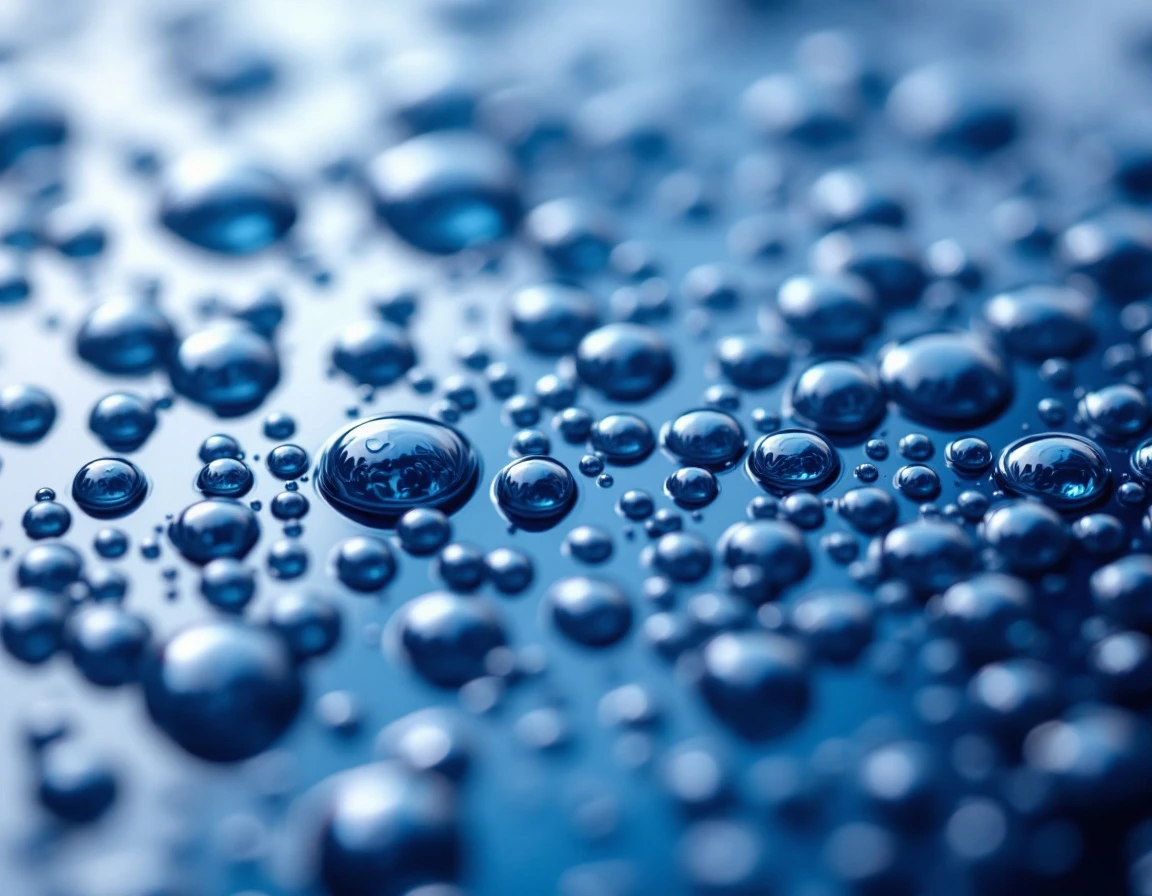
Ceramic coating maintenance centers on preserving the hydrophobic layer through consistent washing and periodic reapplication. Most coatings require monthly top-up applications—spray-on boosters that refresh the surface chemistry and restore water-beading properties. Professional-grade coatings in moderate climates typically maintain full protection for 2-3 years before requiring complete reapplication, while harsh sun exposure accelerates degradation. In climates with consistent UV exposure and high temperatures, ceramic coatings often need full reapplication by year 3 or 4 as the chemical bonds break down and hydrophobic properties diminish.
PPF durability depends heavily on its self-healing properties. Which function only within specific temperature ranges. The thermoplastic urethane requires warmth to activate molecular reconstruction—minor scratches disappear in direct sunlight or after warm water application. However, this same heat sensitivity creates vulnerabilities in sun-heavy climates where prolonged UV exposure causes yellowing and edge lifting. PPF in moderate climates routinely lasts the advertised 7-10 years, while installations in desert or coastal regions with intense sun may show visible degradation by year 5-6, requiring partial or complete replacement.
The maintenance cost equation shifts the value calculation. Ceramic coating demands minimal investment beyond regular washing and periodic top-up products, but the 3-4 year reapplication cycle in warm climates means paying installation costs multiple times over a decade. PPF requires no ongoing maintenance beyond washing, but replacement costs after degradation match or exceed the original installation price. For vehicles kept 5-7 years in moderate climates, ceramic coating delivers better cost efficiency. For 10+ year ownership in sun-protected garages, PPF’s longevity justifies the higher initial investment despite eventual replacement needs.
Decision Framework by Ownership Scenario
The right protection strategy depends less on which technology is “better” and more on how you actually use your vehicle. New car buyers working within budget constraints can protect their investment with ceramic coating alone for the first three to five years, then reassess based on paint condition and resale plans. This approach provides chemical and UV defense during the critical early ownership period when paint is most vulnerable to environmental damage.
New car buyers prioritizing long-term ownership—seven years or more—benefit from ceramic coating and PPF together on high-impact zones. Front bumpers, hood leading edges, and door handle cups get physical protection from the film, while ceramic coating defends all painted surfaces against contamination and oxidation. This layered strategy addresses both impact and environmental threats without redundant coverage.
Used car buyers face a different calculation. Inspect existing paint condition carefully before adding protection. If clear coat already shows oxidation or swirl marks, address those defects through paint correction first. Adding ceramic coating over compromised clear coat locks in existing damage rather than preventing new threats.
Climate conditions shape protection priorities. Warm climate owners face accelerated UV degradation and heat cycling that breaks down both clear coat and protective layers faster. Both PPF and ceramic coating justify their cost in these environments because replacement intervals compress and paint damage compounds quickly.
Driving patterns matter more than vehicle value:
- Urban drivers contend with parking lot door dings, shopping cart impacts, and tight-space maneuvering that favors PPF on vulnerable panels.
- Highway commuters face bug splatter, tar deposits, and industrial fallout that ceramic coating handles more cost-effectively than repeated paint correction.
Neither protection technology makes financial sense if you plan to sell within three years or if budget constraints require choosing between protection and necessary maintenance. Paint protection preserves value, but only when ownership duration allows amortizing the upfront investment.
Making the Right Choice
Before selecting paint protection, answer three diagnostic questions. First: How long will you own this vehicle? Owners planning to keep their cars for 7+ years can justify PPF’s higher upfront cost through extended protection and resale value preservation. Shorter ownership timelines make ceramic coating’s lower entry cost more practical.
Second: What’s your primary paint damage risk? Drivers in high-debris environments—gravel roads, highway commuters, areas with frequent road construction—face constant impact threats that only PPF can stop. Those in chemically harsh climates with salt exposure, industrial fallout, or intense UV need ceramic coating’s chemical resistance. Urban drivers with garage parking and minimal highway miles often find ceramic coating alone provides adequate protection.
Third: What’s your protection budget? When asking do I need ceramic coating and PPF. Consider that ceramic coating alone works when you prioritize chemical and environmental defense and accept reapplication every 2-3 years. PPF alone makes sense for owners willing to invest upfront for 7-10 year physical protection without ongoing maintenance. Layering both creates complementary protection but requires the combined investment of $2,000-7,000 depending on coverage areas.
Watch for red flags during sales consultations. Claims that ceramic coating eliminates the need for PPF ignore the fundamental difference between chemical and physical protection. Pressure to decide immediately suggests profit-driven selling rather than solution matching. Any refusal to discuss specific reapplication schedules, degradation timelines, or warranty exclusions indicates incomplete information. Installers should explain exactly which damage types their recommended solution prevents and which threats remain unaddressed.
You now understand the protection mechanisms, cost structures, and performance timelines that determine which solution fits your driving reality. Decision confidence comes from matching protection methods to actual threat exposure—not vehicle value or sales pressure.