
Choosing between WordPress vs Headless CMS architecture isn’t just a technical decision—it’s a strategic choice that determines how effectively your organization can scale AI-powered content production. Traditional WordPress couples your content management with presentation layers, while headless CMS architectures separate these concerns entirely. For businesses deploying autonomous content engines, this architectural distinction directly impacts integration flexibility, publishing velocity, and long-term scalability.
The gap between these approaches has widened significantly as AI content generation tools have matured. What worked for manual publishing workflows doesn’t necessarily support the demands of AI-driven content operations at scale.
Understanding WordPress vs Headless CMS Architecture
WordPress operates as a traditional monolithic CMS where the content management backend and the frontend presentation layer are tightly coupled. When you create a post in WordPress, the system handles both storage and rendering through themes and plugins that execute on the server. This integrated approach makes WordPress accessible for teams without specialized technical expertise.
Headless CMS platforms invert this model entirely. They provide content management and storage through APIs while remaining agnostic about how that content gets displayed.
Your content lives in the CMS, but presentation happens through separate frontend applications that consume content via REST or GraphQL APIs. This separation enables the same content to power websites, mobile apps, digital displays, and AI-powered publishing workflows simultaneously.
For AI content operations, this architectural difference matters considerably. Traditional WordPress requires AI tools to interact through either the WordPress REST API (which wasn’t designed for high-volume automated publishing) or by deploying custom plugins that add complexity and maintenance overhead. Headless systems were built API-first, making them natural integration targets for AI content engines that generate and publish content programmatically.
| Architecture Aspect | WordPress Traditional | Headless CMS |
|---|---|---|
| Frontend/Backend | Coupled | Decoupled |
| Content Delivery | Server-rendered pages | API-delivered content |
| AI Integration | Plugin-dependent | Native API access |
| Multi-channel Publishing | Requires duplication | Single source, multiple outputs |
| Scalability Model | Vertical (server resources) | Horizontal (distributed) |
The Jamstack architecture that underpins many headless implementations delivers performance advantages by serving pre-rendered content from CDNs rather than generating pages dynamically. For content-heavy operations publishing dozens or hundreds of AI-generated posts monthly, this distinction affects both user experience and infrastructure costs.
Headless CMS Advantages for Publishers Using AI
The API-first design of headless CMS platforms aligns naturally with how modern AI content tools operate. When our content pipeline generates a validated blog post, it needs to programmatically create the post, set metadata, assign categories, and handle media—all without human intervention. Headless systems expose these operations as clear API calls.
WordPress can handle similar workflows, but doing so requires either working within the constraints of the WordPress REST API (which has authentication complexity and rate considerations) or maintaining custom plugins. Every WordPress update introduces potential compatibility issues with custom code.
Headless platforms treat API access as the primary interface rather than an afterthought.
Multi-Channel Content Distribution
Headless architecture enables true omnichannel content strategies. A single piece of content stored in the CMS can simultaneously populate your website, feed a mobile app, power email newsletters, and supply content to voice assistants.
For organizations using AI to generate content at scale, this eliminates the duplication overhead that comes with maintaining separate content for each channel.
Traditional WordPress requires either content duplication across channels or complex synchronization plugins. Neither approach scales gracefully when autonomous content engines are publishing regularly across multiple properties.
Brand Voice Consistency Across AI Outputs
Maintaining consistent brand voice becomes more manageable in headless environments where content modeling is explicit and structured. You can define content types with specific fields for tone markers, audience segments, and validation metadata. AI-generated content includes these attributes from generation through publication.
WordPress custom post types and custom fields can approximate this structure, but headless systems make content modeling a first-class concern rather than something bolted on through plugins. This matters when you’re operating autonomous content engines that need reliable, structured content repositories.
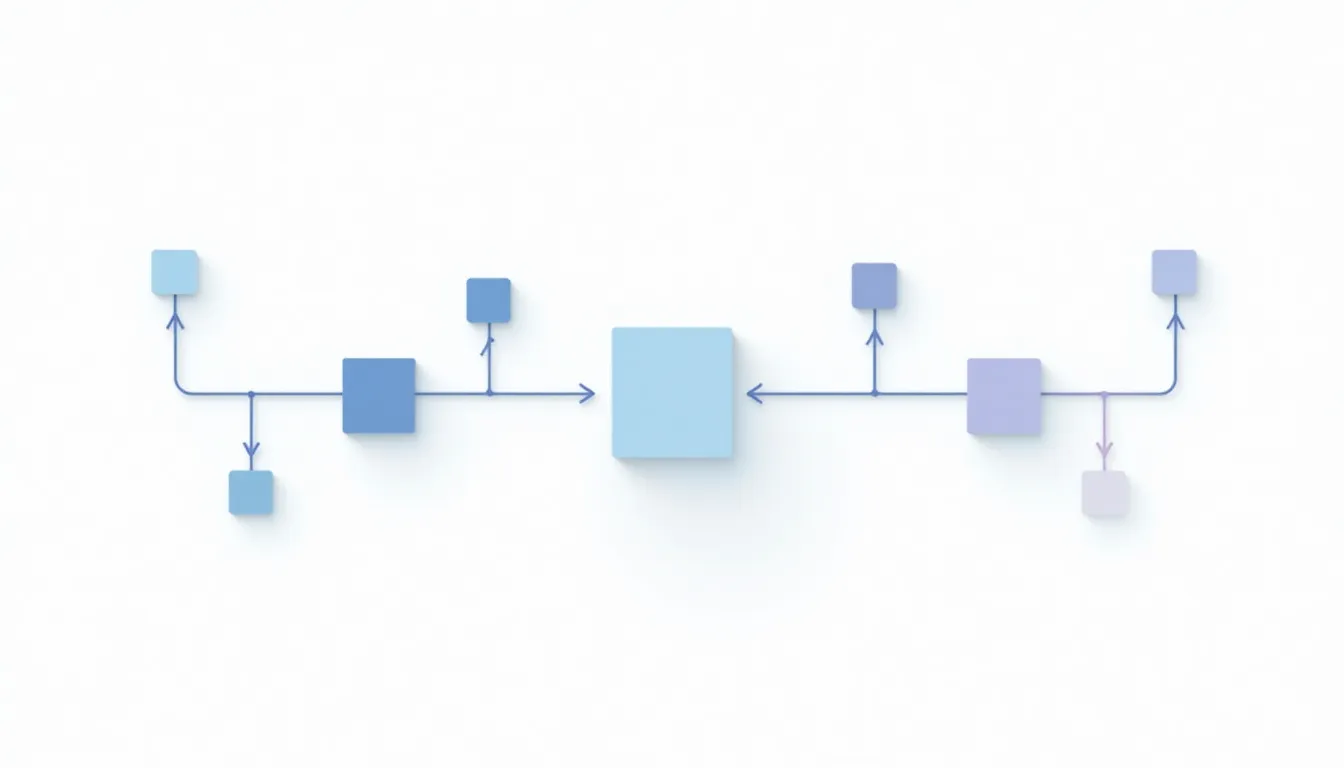
WordPress Traditional CMS vs Headless for AI Publishing
WordPress plugins have evolved to support AI content generation, with tools that integrate GPT models directly into the WordPress editor. These solutions work well for occasional AI-assisted writing where humans remain in the loop for every post. The limitation appears when publishing volume increases and the goal shifts to fully autonomous content operations.
Plugin dependencies create performance bottlenecks at scale. Each plugin adds database queries, increases memory usage, and introduces potential conflicts with other plugins.
A WordPress installation powering an AI content engine might require plugins for SEO optimization, image management, caching, security, and AI integration—each consuming resources and requiring updates.
Headless CMS platforms handle these concerns differently. SEO metadata, image optimization, and content delivery are either built into the platform or handled by specialized services that connect via APIs. The CMS focuses on content management while delegating other responsibilities to purpose-built tools.
Key Insight: WordPress remains the most accessible option for teams prioritizing familiar interfaces and extensive plugin ecosystems. The platform’s limitations become apparent primarily when publishing velocity exceeds 20-30 posts monthly or when multi-channel distribution is required.
For businesses starting with modest AI content ambitions—perhaps 4-8 posts monthly with human review—WordPress provides sufficient capability without the learning curve of headless systems. The decision point arrives when growth requires either scaling WordPress infrastructure vertically or reconsidering architecture fundamentally.
Best CMS for AI-Powered Content Strategies
Enterprise-scale content operations benefit most from headless CMS architecture. Organizations publishing hundreds of AI-generated articles monthly across multiple properties need the horizontal scalability, API performance, and integration flexibility that headless systems provide natively.
Modern headless platforms like Contentful, Strapi, and Sanity offer sophisticated content modeling that supports complex AI generation scenarios. You can structure content types with specific fields for AI-generated sections, human-edited portions, validation metadata, and publication workflows.
This granular control enables content management strategies that balance automation with quality oversight.
Integration Capabilities
The REST and GraphQL APIs exposed by headless platforms integrate seamlessly with modern AI tools. Whether you’re using large language models for content generation, computer vision APIs for image selection, or natural language processing for SEO optimization, headless systems provide the connectivity layer without custom development.
GraphQL particularly shines for AI publishing workflows because it allows precise queries that retrieve exactly the content fields needed. This reduces bandwidth usage and processing overhead compared to REST APIs that might return entire post objects when only specific fields are required.
Cost Considerations
WordPress hosting costs scale with traffic and resource usage. High-volume AI publishing operations require managed WordPress hosting or dedicated servers capable of handling the write load from frequent content updates. These costs increase linearly with publishing volume.
Headless CMS pricing typically follows usage-based models tied to API calls, content entries, or bandwidth. The cost structure aligns differently with AI publishing patterns—you pay for content operations and delivery rather than server capacity.
For operations publishing substantial content volumes, headless platforms often prove more cost-effective beyond specific thresholds.

Implementation Considerations and ROI
Migrating from WordPress to headless architecture requires substantial planning. Content must be exported, transformed to match the new content model, and imported into the headless system.
Custom URLs require redirect mapping to preserve SEO equity. Frontend applications must be built to consume content from the new APIs.
The migration complexity makes headless adoption a strategic decision rather than a tactical one. Organizations typically choose headless when launching new properties, undergoing digital transformation initiatives, or scaling beyond what their current WordPress infrastructure can support efficiently.
ROI for automated content operations depends heavily on publishing volume and operational efficiency gains. Teams publishing 50+ AI-generated posts monthly typically see headless systems pay for themselves through reduced hosting costs, improved publishing velocity, and decreased maintenance overhead. Smaller operations may not reach ROI breakeven for 18-24 months.
WordPress remains viable for small-to-medium operations where publishing volume stays below 20-30 posts monthly and technical team resources are limited. The platform’s extensive documentation, large developer community, and familiar interface reduce onboarding time for content teams.
When AI integration needs are simple—perhaps using our platform to publish directly to WordPress—the traditional CMS architecture suffices.
Making Your Architecture Decision
Evaluate your publishing volume projections, team technical capabilities, and long-term content strategy before committing to either architecture. Headless CMS wins decisively for enterprises scaling AI-powered content production beyond 50 posts monthly, operating multi-channel distribution, or requiring sophisticated content modeling and workflow orchestration.
WordPress serves organizations prioritizing ease of use, familiar interfaces, and simple AI integration for modest publishing volumes. The platform’s maturity and ecosystem make it reliable for businesses where content marketing is important but not the primary operational focus.
Hybrid approaches deserve consideration as well. Some organizations maintain WordPress for marketing pages and human-authored content while deploying headless systems specifically for AI-generated content operations.
This separation lets teams use familiar tools for strategic content while using modern architecture for scaled autonomous publishing.
The decision ultimately hinges on where your organization sits on the content maturity curve and how seriously you’re investing in AI-powered publishing as a growth channel. Both architectures support AI content workflows—headless systems simply do so with greater efficiency at scale.
If you’re evaluating content platforms for AI publishing workflows, contact us to discuss how different architectures align with your specific publishing goals and technical requirements.