Spring Inspection Cycle Compliance
Health departments across the country intensify their inspection schedules from May through July, creating a critical compliance window for restaurant and food service facilities. This seasonal surge in regulatory activity coincides with the period when facilities emerge from winter pest pressure, making spring inspections particularly rigorous. Pest management guides restaurants through this critical period by establishing documentation systems that demonstrate proactive control measures rather than reactive responses. Inspectors arrive prepared to scrutinize documented control measures, searching for evidence that operators maintained vigilance during the months when rodents seek indoor shelter and stored product pests establish themselves in dry goods.
The difference between passing inspection and facing citations often comes down to documentation quality. Inspectors evaluate whether facilities implemented proactive pest management programs rather than reactive emergency treatments. When operators present audit-ready records showing regular monitoring, identified risk areas, and implemented control measures, they demonstrate professional management rather than crisis response. These records serve as primary defense against violations, transforming the inspection from an interrogation into a collaborative review.
May represents the best month to prepare documentation before inspectors arrive. Facilities that establish detailed record-keeping systems now position themselves to pass inspections throughout the peak inspection season.
The goal extends beyond avoiding citations to demonstrating operational excellence through systematic pest management protocols that satisfy regulatory requirements while reducing the administrative burden that manual record-keeping creates for busy kitchen managers.
May Seasonal Pest Threats
May’s warming temperatures trigger a surge in pest activity that health inspectors specifically target during spring compliance checks. As daytime temperatures stabilize above 60°F, rodents, cockroaches, and flies accelerate breeding cycles and actively seek indoor food sources through newly opened doors, windows, and loading dock access points. Inspectors recognize this seasonal pattern and examine documentation to confirm that operators anticipated these May-specific pressures rather than simply reacting to pest sightings.
Kitchen ventilation systems become primary entry highways during spring months when exhaust fans draw warm air through gaps in duct seals and roof penetrations. Inspectors examine the grease buildup in hood systems and check maintenance logs to verify that ventilation components were cleaned and sealed before May’s pest breeding season began. Drain lines present similar concerns as flies and cockroaches exploit the moisture and organic matter accumulation that increases during warmer weather. Health departments expect documented drain cleaning schedules that address this seasonal vulnerability.
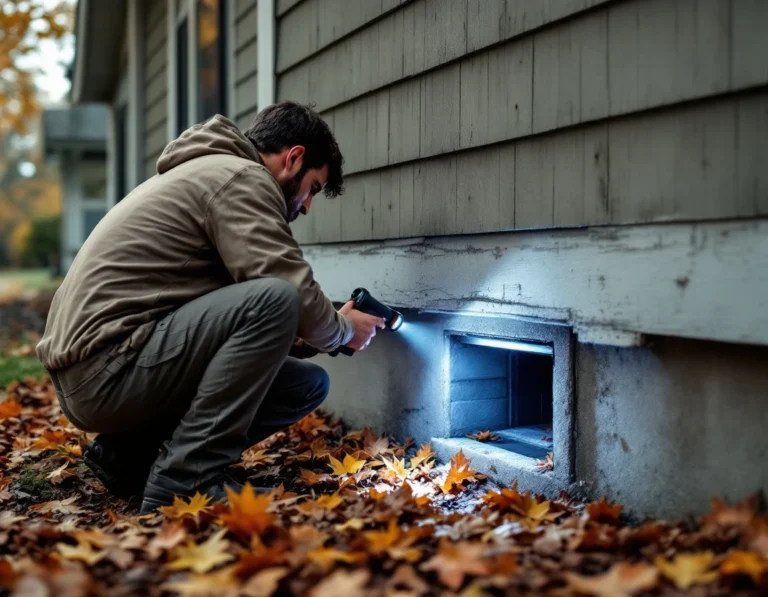
Loading dock areas receive particular scrutiny during May inspections because door seals deteriorate over winter and create entry gaps precisely when pest pressure peaks. Inspectors look for documented walk-through assessments that identify compromised weather stripping, damaged door sweeps, and gaps around utility penetrations. The documentation must demonstrate that operators conducted seasonal exclusion repairs before pest colonies established themselves rather than after evidence appeared.
Pest control documentation during May should include:
- Dated seasonal treatment records
- Monitoring trap placement maps specific to spring entry points
- Photographic evidence of completed exclusion repairs
Inspectors view audit-ready pest control documentation as proof that operators understand location-specific pest risks and implement preventive controls aligned with the breeding calendar rather than waiting for visible infestations to develop.
Audit-Ready Documentation System
Health inspectors arrive with specific expectations about your pest control documentation format and completeness. The four record types form a hierarchy of evidence that demonstrates systematic management: treatment logs, facility inspection checklists, exclusion repair records, and monitoring reports. Missing or incomplete records in any category typically triggers immediate violations, while detailed documentation across all four areas establishes your facility as professionally managed.
Treatment Logs: The Compliance Foundation
Treatment logs with dates, pest types, products, and application areas form the compliance foundation inspectors examine first. Each entry must specify the exact chemical product name (not just “spray” or “bait”), EPA registration number, application method, and target pest species. Inspectors cross-reference these details against your facility’s certified pest control service agreement to verify treatments match contracted services and occur at proper intervals.
Facility Checklists and Monitoring Evidence
Inspection checklists verify facility conditions weekly and flag emerging pest activity before inspectors arrive. These internal audits document sanitation conditions, structural vulnerabilities, and early warning signs like droppings or gnaw marks. Automated systems reduce the manual documentation burden by populating checklists with standardized fields, eliminating the handwritten logs that consume technician time and create illegibility issues during audits.
Exclusion repair records document sealing of entry points, proving prevention measures are active rather than merely discussed. Each repair entry should include the location, materials used, before-and-after photos, and completion date. Inspectors specifically look for gaps between identification and remediation—delays longer than two weeks raise questions about management commitment.
Monitoring reports from traps and bait stations provide quantifiable evidence of pest activity control. Daily trap counts, station inspection dates, and consumption rates create trend data that demonstrates either improving conditions or escalating problems requiring intervention. Digital monitoring systems automatically timestamp inspections and flag stations showing increased activity, creating audit trails that manual clipboard systems cannot match while recovering hours previously spent transcribing handwritten notes into compliance formats.

Treatment Log Templates
Compliant treatment logs require seven mandatory fields that inspectors verify during audits:
- Date
- Time
- Pest type
- Location
- Product used with EPA registration number
- Application method
- Technician signature
Each field serves a specific regulatory purpose. Date and time create timestamped proof that control measures were applied according to protocol. Pest type and location demonstrate targeted treatments rather than blanket applications. Product details and EPA numbers verify approved pesticide use. Technician signatures establish accountability for commercial pest management procedures.
Automated templates eliminate manual data entry errors that cause inspection failures. Pre-structured forms guarantee no required fields are skipped, reducing inspection anxiety because documentation is complete before the inspector arrives. Every application—whether pesticide treatment, bait station servicing, or trap placement—must be logged within 24 hours to satisfy auditor expectations. Monthly summary aggregation shows inspectors clear patterns of proactive pest management throughout spring, demonstrating systematic control rather than reactive emergency responses.
Inspection Checklists & Monitoring
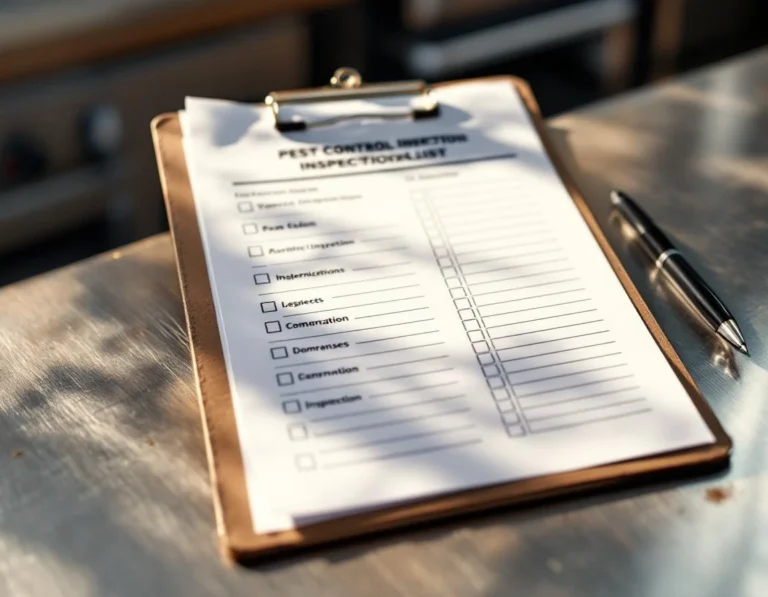
Health inspectors evaluate continuous facility oversight through structured monitoring records, not just reactive treatment documentation. A compliant food facility pest control checklist documents specific areas inspected, pest evidence types observed, trap station counts, and inspection dates to prove systematic control rather than one-time responses.
Weekly facility inspections establish baseline data that identifies emerging problems before they escalate into violations. Trap and bait station counts provide quantifiable metrics that demonstrate control effectiveness across high-risk zones including loading docks, storage areas, and kitchen perimeters.
Pre-inspection walkthroughs using standardized checklist formats reduce regulatory anxiety by surfacing correctable issues before official assessments. Automated monitoring templates eliminate manual spreadsheet maintenance while saving five hours monthly through pre-populated fields and automatic date stamping. Facilities maintaining four weeks of clean monitoring documentation before inspections consistently pass with fewer violations than those relying on scattered manual records.
Reducing Manual Documentation Workload
Manual pest control documentation systems consume eight to ten hours monthly as managers transcribe inspection notes, organize treatment records, and compile compliance reports. Automated documentation systems compress this workload to two or three hours by eliminating repetitive data entry and generating audit-ready summaries from centralized activity logs.
This time savings creates bandwidth for addressing emerging pest issues rather than fighting documentation backlog—the operational advantage that separates restaurant inspection preparation pest management systems from those scrambling to assemble records when inspectors arrive.
Template-based workflows prevent compliance gaps by prompting technicians to capture all mandatory fields during service visits rather than reconstructing details from memory later. Mobile-accessible documentation allows managers and technicians to log activities in real-time from any facility location, whether recording trap counts near dish stations or documenting exclusion repairs at loading docks. Systems sync instantly to centralized databases that inspectors can access during assessments.
Automated alerts flag overdue treatments or monitoring gaps before they become compliance violations. When a facility’s monthly perimeter treatment approaches its scheduled date or weekly monitoring checklists remain incomplete, the system notifies responsible staff members before the gap widens. This proactive approach demonstrates systematic oversight to health inspectors who evaluate whether facilities manage pest control reactively or preventively. Facilities with automated documentation pass inspections faster because their records are organized by inspection date and formatted for regulatory review before inspectors request them.

Pre-Inspection Readiness in May
Converting complete documentation into inspection success requires a structured pre-inspection review starting two weeks before the scheduled assessment date. Facilities that systematically verify treatment logs, confirm monitoring data completeness, and generate compliance summary reports demonstrate active pest management to inspectors rather than reactive scrambling when violations appear.
The pre-inspection checklist begins with document verification:
- Confirm all treatment logs include EPA registration numbers and technician signatures
- Verify weekly monitoring checklists show continuous facility oversight
- Verify that exclusion repair records document completion dates for all outstanding work
This systematic review identifies missing records or incomplete entries while time remains to correct deficiencies before the inspector arrives.
Facilities scheduling outstanding exclusion repairs in early May prevent common violations discovered during inspections. Loading dock door sweeps, damaged screens in ventilation systems, and gaps around utility penetrations represent the most frequently cited deficiencies when inspectors examine physical pest barriers during spring assessments.
Automated compliance summary reports transform monthly documentation into inspector-ready evidence of proactive pest management. These reports compile treatment patterns, monitoring trends, and corrective actions into the format health inspectors recognize as systematic control rather than reactive treatment. Facilities presenting organized, complete documentation at inspection pass faster and receive fewer corrective action citations because inspectors see intentional management systems already in place.