Spring Animal Entry Patterns by Region
Wildlife activity follows predictable climate triggers that most homeowners discover too late. Seasonal wildlife control strategies depend on understanding these patterns before animals arrive. When temperatures climb above 45°F for three consecutive nights, raccoons abandon winter dens and seek warm, protected spaces to birth their young. In northern states like Michigan and Minnesota, this threshold hits in late March. Southern regions experience it six weeks earlier. The timing gap matters because homeowners searching “how to prevent raccoons in spring” are usually typing those words after finding torn soffit vents or damaged attic insulation.
Spring thaw creates the physical entry points animals exploit. Freeze-thaw cycles separate foundation joints, lift soffit edges, and crack chimney mortar. A foundation that looked intact in February develops quarter-inch gaps by April. Raccoons need only three inches of clearance to access an attic. Squirrels need two. These structural vulnerabilities appear during the same narrow window when pregnant females scout denning sites, but homeowners won’t spot the damage until they hear scratching sounds weeks later.
Regional precipitation patterns trigger search volume spikes that wildlife control companies can predict and capture. Pacific Northwest markets see exclusion searches climb when March rains drive rodents toward dry shelter. Midwest searches peak when April storms flood ground burrows and push skunks under porches. Companies publishing detailed exclusion guides two to three weeks before these regional peaks capture homeowners in the research phase, before visible damage forces them into emergency mode.
Early-season exclusion stops problems before they cascade into summer emergencies. A raccoon family established in May produces four to six juveniles by July. Those animals cause exponentially more structural damage and create health hazards that convert into high-cost remediation calls.
Wildlife control businesses that publish region-specific prevention content in February and March position themselves as local authorities when homeowners start searching in April, dominating the narrow conversion window when intent peaks.
Humane Exclusion Techniques by Season
Effective wildlife exclusion requires species-specific techniques that align with regional laws and animal behavior. The most common residential nuisance animals—raccoons, bats, and squirrels—each demand different approaches, timing windows, and materials. Homeowners who attempt DIY exclusion frequently fail because they seal entry points before confirming all animals have left, violating state wildlife laws or trapping juveniles inside attics and walls.
Raccoon Exclusion: One-Way Doors and Timing
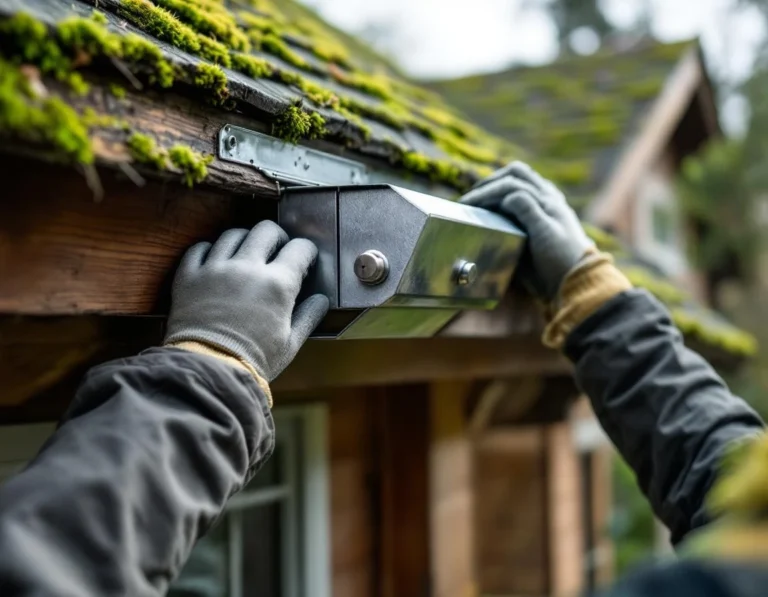
Raccoons typically den in chimneys and attics during spring birthing season. Legal exclusion windows vary by state, but most jurisdictions prohibit removal during March through July when mothers nurse dependent young. One-way exclusion doors mount over primary entry points as an accessible material solution, allowing animals to exit but not re-enter. Homeowner installations fail when secondary entry points remain unsealed or when doors are installed during denning season, creating orphaned juveniles. Professional services provide thorough roofline inspections, seal all potential entries with galvanized steel mesh, and time installations to comply with state wildlife seasons—a complete approach that accounts for the complexity of exclusion work.
Bat Exclusion During Maternity Restrictions
Most states prohibit bat exclusion from May 1 through August 15 when flightless pups occupy roosts. Bat exclusion techniques by season require one-way netting or specialized tubes installed at dusk entry points after observing flight patterns over several nights. Materials for DIY installation are affordable, but homeowners typically install devices at wrong locations or during restricted periods, violating state endangered species protections. Professional bat exclusion commands premium pricing because it includes thorough attic inspection for guano contamination, which creates respiratory hazards requiring remediation under state health codes.
Squirrel Prevention: Fascia Hardening vs. Tree Management
Squirrels chew through wooden fascia boards and soffit vents to access attics during fall nesting season. Prevention requires replacing damaged wood with metal flashing and installing 1/4-inch hardware cloth over vents—materials cost $150-$200. Trimming nut-bearing trees within 8 feet of rooflines reduces attraction but doesn’t prevent access. DIY attempts fail when homeowners use chicken wire instead of hardened steel mesh, which squirrels chew through within weeks. Professional squirrel-proofing costs $500-$800 and includes warranty coverage, addressing liability concerns when incomplete sealing allows re-entry and attic damage.

Regional Legal Requirements and Seasons
Wildlife exclusion laws vary by state and municipality, creating legal minefields for homeowners attempting DIY removal. Regional animal behavior pest control must account for strict timing restrictions—most states enforce complete blackout periods from mid-May through mid-August to protect maternity colonies. Excluding mothers during this window traps flightless pups inside walls, violating federal protections under the Endangered Species Act in regions with protected bat populations.
Raccoon control introduces additional complexity through trapping permit requirements. States differ on whether trapped raccoons can be relocated or must be euthanized, with relocation distances ranging from five miles to outright prohibition. Some municipalities require licensed wildlife operators for any trapping activity, making DIY raccoon removal illegal without proper permits.
Local ordinances frequently regulate exclusion materials themselves. Chimney cap specifications, netting mesh sizes, and vent screen gauges must meet building codes that vary by jurisdiction. Professional wildlife control operators maintain current knowledge of these requirements. While homeowners typically discover compliance issues only after failed inspections or repeat infestations.
DIY vs. Professional Service Economics
Homeowners often view exclusion materials as a simple purchase decision. A trip to the hardware store yields chimney caps, vent covers, and mesh screening that require minimal upfront investment. Professional wildlife exclusion services, by contrast, command a higher price tag for work on the same property. The cost difference appears clear—until you account for what happens next.
Industry data shows a significant portion of DIY exclusion attempts fail within six to twelve months. Homeowners miss secondary entry points, install materials incorrectly, or choose products that animals breach within weeks. Each failure converts into an emergency service call during peak seasons when rates climb and availability shrinks. The initial savings evaporate when you add the second material purchase, wasted time, and emergency pricing.
The liability calculation shifts the economics further. Professional services carry bonded insurance covering property damage and injury during exclusion work. Homeowners working on rooflines or attic spaces assume full responsibility for falls, structural damage from improper sealing, or injuries from animal encounters. One emergency room visit or roof repair from a DIY attempt exceeds the cost difference between materials and professional service.
Seasonal Wildlife Exclusion Guides and Publishing Calendar
Wildlife control companies that publish content on arbitrary monthly schedules miss the critical window when homeowners actively search for solutions. A data-driven seasonal calendar aligns content publication with regional animal behavior patterns, not generic editorial themes. The most successful approach identifies the 3–4 week lead time before search volume peaks for each species, allowing your content to rank before competitors recognize the seasonal shift.
Best publishing windows vary by species and region:
- Raccoon exclusion guides should publish in early March for mid-Atlantic regions, when warming temperatures trigger den-seeking behavior but before April entry peaks
- Bat exclusion content must appear before state maternity season restrictions begin—typically May through July depending on jurisdiction—when homeowners still have legal windows to address attic colonies
- Squirrel nesting content performs best in late winter (February) before spring litter arrival
- Fall prevention guides published in August and September capture homeowners preparing for autumn entry attempts
Regional weather patterns create additional content opportunities outside standard wildlife cycles. Winter thaw triggers searches for flood-damage wildlife entry in northern climates, while wildfire risk zones see prevention searches during fire season. Publishing 3–5 posts weekly during these peak windows allows coverage of multiple search intents: how to prevent raccoons in spring, bat exclusion techniques by season. And squirrel removal cost all represent distinct searcher needs within the same seasonal period. This frequency means your business captures emergency service demand before competitors publish reactive content after problems escalate.
Capturing Emergency Calls Through Ranking
Search behavior for wildlife exclusion services follows predictable seasonal patterns that most companies fail to exploit. Queries like “raccoon in attic spring” spike to 10–100 searches per month during narrow 3-week windows, then drop to zero outside peak activity. Homeowners searching for seasonal, location-specific terms like “spring bat exclusion Detroit” convert to emergency service calls at rates three to five times higher than generic “pest control near me” searches because they’re researching immediate problems tied to active wildlife behavior.
Publishing exclusion guides 2–3 weeks before regional activity peaks builds search authority that competitors publishing during peak season cannot overcome. When a wildlife control company ranks on page one before search volume spikes, they capture the entire seasonal demand curve. Competitors who publish during peak season rank below established content and miss the conversion window entirely.
Emergency service call volume correlates directly with first-page rankings during these compressed seasonal windows. Companies that delay publishing until homeowners start calling forfeit seasonal demand to competitors who established rankings early. A business ranking first for “how to prevent raccoons in spring” before April captures homeowners researching prevention, then converts them to professional services when DIY attempts fail or legal restrictions become apparent.
This dynamic creates outsized revenue concentration during peak seasons. Wildlife control companies that master seasonal publishing calendars don’t just capture more traffic—they capture higher-intent searchers at the exact moment regional animal behavior drives homeowner panic. The compound effect of early ranking, high conversion rates, and compressed seasonal windows means businesses publishing strategically generate disproportionate call volume compared to competitors reacting to demand after it arrives.