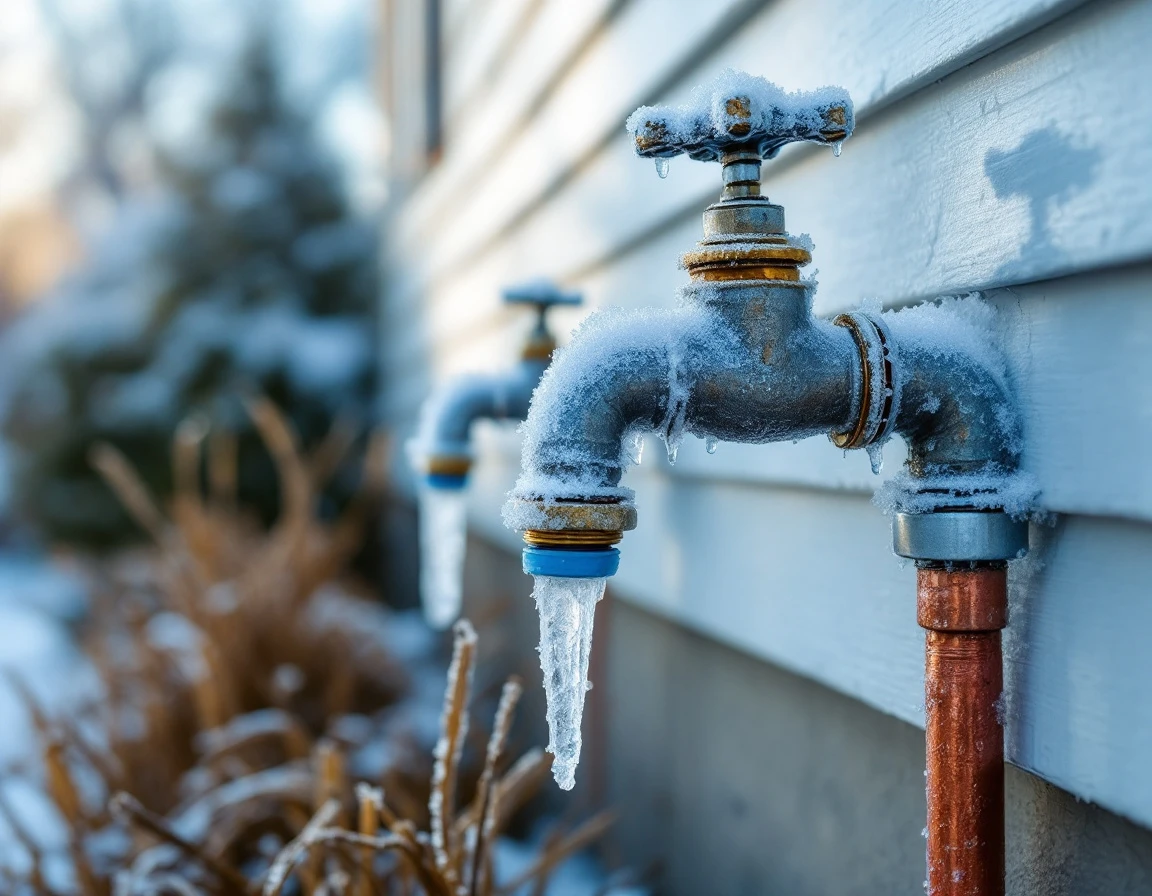
Seasonal Demand Timing for Freeze Prevention
Plumbing search patterns follow predictable seasonal rhythms. Homeowners begin researching winterization strategies weeks before the first freeze, creating a narrow window when freeze prevention content captures high-intent traffic before emergency searches dominate. A strong winter plumbing prevention guide published early positions your company ahead of seasonal demand spikes.
Winter search volume for freeze prevention peaks
Search data from plumbing markets across the United States reveals a predictable pattern: homeowners start researching freeze prevention strategies in late August, building to peak volume in October and November. This surge arrives 6-8 weeks before the first hard freezes hit most regions, when homeowners shift from general seasonal preparation into active winter-proofing mode.
High-intent searches reflect homeowners moving beyond awareness into action. They’re comparing pipe insulation methods, researching hose bib covers, and evaluating whether to hire professionals or tackle freeze prevention themselves. By the time competitors publish their winter content in November, these homeowners have already consumed earlier content, formed preferences, and often made purchasing decisions.
Publishing in June positions plumbing companies ahead of competitor content saturation
Publishing freeze prevention guides in June establishes search authority before competitors recognize the seasonal opportunity. Most plumbing companies wait until October to publish winter content, flooding search results with similar articles exactly when homeowners begin researching solutions. June publication captures search traffic during the early research phase, when homeowners bookmark resources and form preferences.
Early positioning builds domain authority for winter keyphrases months before competition arrives. Search engines index and rank June-published content by August, giving these posts time to accumulate engagement signals and climb search results. When October competition arrives, June content already holds established rankings that newer posts struggle to displace.
High-Intent Freeze Prevention Keywords
The search phrases that drive winter plumbing traffic fall into two distinct categories, each revealing different stages of homeowner intent. Primary searches like “how to prevent frozen pipes in winter” and “winter pipe freeze prevention for homeowners” signal immediate preparation activity—homeowners are actively seeking solutions and ready to engage professionals. These phrases appear in search volume data as early as late July, eight weeks before October peaks, validating June publication as the best timing window.
Secondary intent keywords reveal broader seasonal awareness patterns. Terms like “seasonal plumbing maintenance before winter” and “winter preparation checklists” indicate homeowners in the research phase, building knowledge before committing to specific actions. PublishPuffin’s autonomous content engine identifies these secondary patterns through search trend analysis, allowing plumbing companies to build content clusters that address both immediate and long-term needsdiate and exploratory intent.
Long-tail keyword opportunities offer the highest conversion potential because they match specific homeowner circumstances. Region-specific searches like “frozen pipe prevention northern Michigan” or “outdoor faucet winterization Minnesota” connect with homeowners facing particular climate challenges. Emergency-focused phrases such as “how to thaw frozen pipes safely” capture distress-driven searches with immediate booking intent.
Effective content cluster strategy maps these keyword tiers to specific post sections and internal linking structures. A winter plumbing prevention guide addresses primary keywords in the main content, incorporates secondary terms in supplementary sections, and links to dedicated posts targeting long-tail variations. This architecture builds topical authority that search engines reward with improved rankings across the entire keyword cluster, positioning early-publishing plumbing companies above competitors who chase individual keywords without strategic connection.
Content Topics That Drive Winter Conversion
Freeze prevention content divides into trust-building topics that homeowners research during preparation phases and conversion-focused topics that signal immediate service needs.
- Pipe insulation guides exemplify the trust-building category—homeowners search “how to insulate pipes” and “DIY pipe insulation” during September-October research phases. These guides should include material comparisons, step-by-step installation instructions, and clear indicators of when professional installation makes more sense than DIY attempts. Target 800-1,200 words with detailed process explanations and safety considerations that position your company as the educational authority homeowners return to when DIY complexity exceeds their comfort level.
- Outdoor faucet winterization bridges the trust-building and conversion categories. Homeowners search these terms while actively preparing properties for winter, making them high-intent prospects. Content should cover drain valve locations, complete water shutoff procedures, and the specific risks of incomplete winterization. Include professional service options within the educational framework—explain what professional winterization includes and when it makes sense for multi-level properties or complex plumbing configurations. Structure these posts at 600-800 words focusing on actionable checklists that homeowners can follow or use to evaluate professional service proposals.
- Heat tape installation and freeze protection for exposed pipes creates direct conversion opportunities. Homeowners searching these terms have identified vulnerable pipes and need solutions immediately. Content should explain heat tape types, installation requirements, electrical safety considerations, and the specific scenarios where professional installation is essential rather than optional. These posts work best at 500-700 words with clear service callouts for properties with challenging electrical access or multiple vulnerable pipe runs.
- Emergency thaw procedures represent the highest-intent conversion content. Homeowners searching “how to thaw frozen pipes” or “frozen pipe emergency” need immediate help. Structure these posts as 400-600 word guides covering safe thawing methods, damage indicators that require professional intervention, and emergency service contact options. This content converts research-phase visitors into service calls when winter conditions create urgent needs.
Autonomous Content Engine Workflow
Autonomous content engines eliminate manual calendar planning by monitoring search demand patterns continuously. The system analyzes historical query volume data across seasonal keywords, identifying predictable spikes that occur 10-12 weeks before actual weather events. When freeze prevention search volume begins its characteristic late-summer climb, the engine flags June-July as the best publication window without requiring manual analysis or spreadsheet tracking.
The workflow starts with keyword clustering. Where the engine groups related freeze prevention terms into content families rather than treating each phrase as a separate post topic. Terms like “pipe insulation methods,” “outdoor faucet covers,” and “prevent frozen pipes” cluster into a single all-inclusive guide, reducing content redundancy while building topical authority that search engines reward. This automated grouping prevents the common mistake of publishing five thin posts when one authoritative piece would rank better.
Once clusters are identified, the engine generates content briefs specifying target word count, required subtopics, and internal linking structure. Publication happens automatically during the designated June-July window, giving posts four months to accumulate backlinks and domain authority before October competition arrives. Plumbing companies using this workflow publish freeze prevention content while competitors are still focused on summer maintenance topics.
Performance monitoring tracks three metrics through the winter peak: search rankings for target keywords, click-through rates from search results, and service call attribution from content interactions. This feedback loop refines future seasonal calendars without requiring technical expertise.
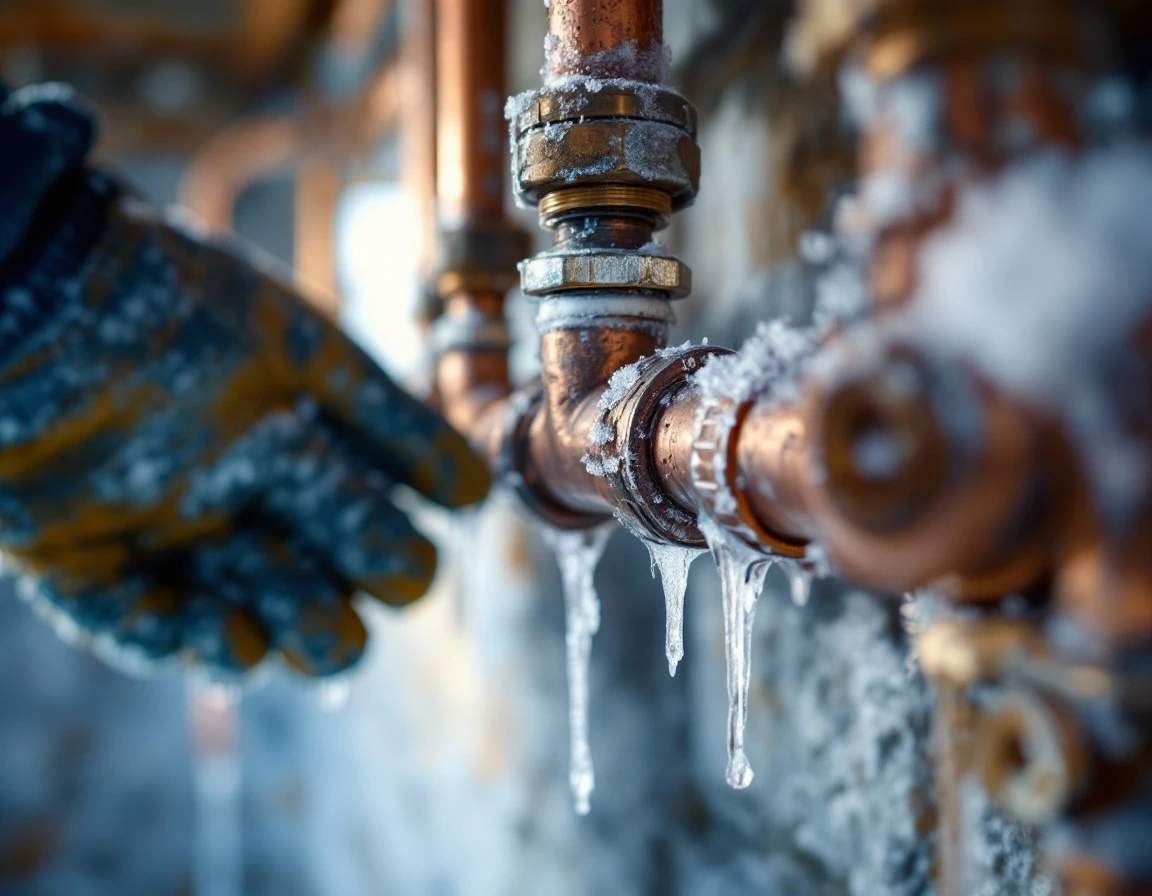
Publication Calendar: May Through December
A successful winter plumbing prevention guide strategy begins in June and extends through winter, with specific publication targets at each stage. This staggered approach builds search authority progressively rather than flooding search engines with simultaneous content that competes against itself.
- June forms your foundation. Publish five to seven core freeze prevention guides covering essential topics: pipe insulation techniques, outdoor faucet winterization, water heater preparation, emergency shutoff procedures, and region-specific freeze protection. These foundational pieces establish topical authority while competition remains focused on summer plumbing issues.
- July and August expand your content footprint with long-tail variations and location-specific guides. Publish content addressing micro-markets within your service area—county-level freeze patterns, building-type considerations, and property-specific scenarios. This expansion captures search traffic as homeowners begin seasonal planning, building internal link networks that reinforce your authority across related keyword clusters.
- September and October shift focus to content refreshment. Update June and July posts with current information, add new sections addressing questions that emerged in comments or service calls, and strengthen internal linking between related guides. Search engines reward fresh content with ranking momentum. Positioning your guides prominently as October search volume climbs.
- November and December maintain visibility through targeted emergency content. Publish short-form guides addressing urgent scenarios—thawing frozen pipes, identifying burst pipe damage, emergency service availability. These posts capture high-intent searchers during peak demand while your earlier content continues converting research-phase homeowners.
Autonomous content engines compress this timeline by automating research, drafting, and scheduling across all phases. What traditionally requires eight months of manual content management becomes a June configuration task, with the platform executing the full calendar while your team focuses on service delivery.
Measuring Winter Search Dominance
Tracking the performance of your June freeze prevention content requires monitoring specific metrics that reveal search visibility gains before peak winter demand arrives. Start by configuring Google Search Console to track ranking positions for your primary and secondary freeze prevention keywords beginning in August. Watch for upward ranking movement in September and October as search engines recognize your established authority while competitors are just beginning to publish similar content.
Traffic volume tells the second part of the story. Monitor month-over-month organic traffic growth from September through December, noting when homeowners transition from research-phase browsing to high-intent searches for professional service. Click-through rate improvements indicate that your early publication established trust signals that competitors entering the search market later cannot match.
Attribution connects content performance to revenue. Implement UTM parameters on freeze prevention pages to track which content pieces drive phone calls and contact form submissions. Call tracking systems reveal which keywords and landing pages convert browsers into service calls. Quantifying the revenue impact of your early publication strategy.
Plumbing companies publishing in June typically hold top-three positions by September, capturing service calls throughout October and November while competitors scramble to rank during December’s peak demand period. This early positioning translates directly to filled service calendars before winter arrives.