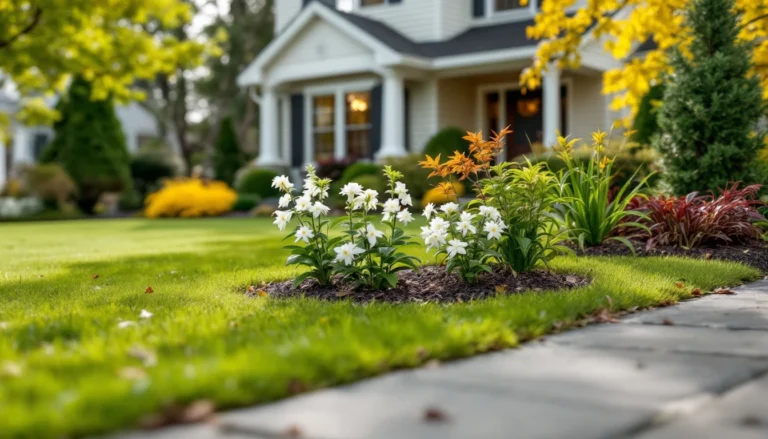
The Off-Season Visibility Problem
Most landscaping businesses watch their search traffic plummet the moment peak season ends. The reason? Google rewards content that matches what people are searching for right now. When homeowners search for “spring garden bed installation” in March, they’re not looking for generic “landscaping services” pages. They want specific answers to seasonal needs. This off-season challenge directly impacts your seasonal landscaping search visibility, which determines whether your business captures intent year-round or fades from results when competitors dominate.
This creates a visibility trap. Businesses that rely on a single, year-round marketing message fail to capture the shifting intent behind customer searches. In spring, people plan installations and lawn renovations. Summer brings maintenance concerns and irrigation issues. Fall triggers cleanup bookings and winterization questions. Winter opens opportunities for snow removal, hardscaping consultations, and next-season planning.
Yet most landscaping companies go dark during slower months, ceding search results to competitors who understand seasonal intent. They pour marketing dollars into peak-season advertising, then wonder why their phone stops ringing in November.
The traffic doesn’t disappear—it shifts. Homeowners still search for landscaping help; they just search for different services.
The solution isn’t louder marketing during busy months. It’s season-specific content that captures intent year-round, keeping your business visible when competitors fade from view.
Four-Season Content Strategy: Maintain Search Rankings Landscaping Year-Round
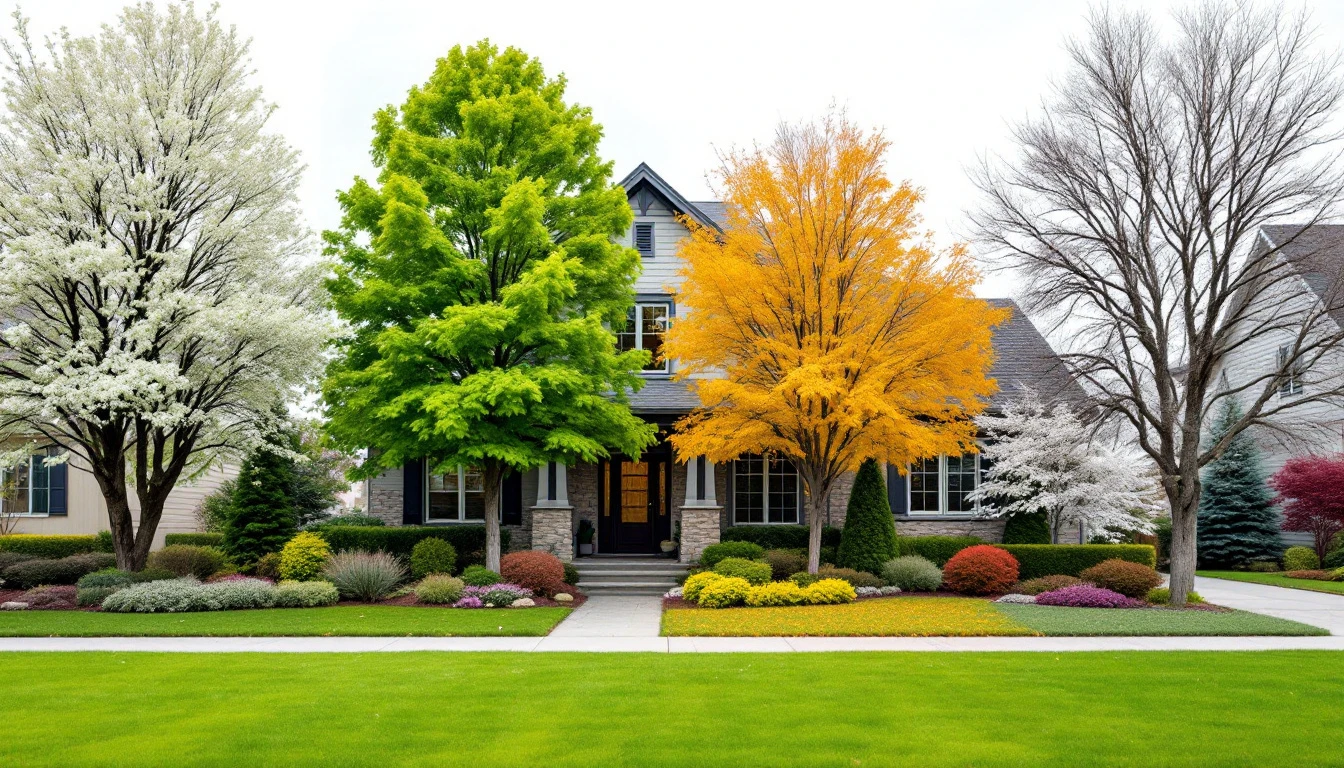
The framework breaks down into four distinct content themes, each aligned to customer intent patterns that shift with the calendar. Spring content targets homeowners planning major projects—they’re searching for “landscaping design near me,” “spring garden installation,” and “patio installation services.” This is design season: publish portfolio posts, plant selection guides, and project timelines that address the planning mindset.
Summer shifts focus to maintenance and preservation. Search volume peaks for “lawn maintenance schedule,” “yard upkeep,” and “irrigation repair.” Your content calendar should prioritize how-to guides on watering schedules, pest management tutorials, and service package explainers. Homeowners aren’t planning renovations in July—they’re trying to keep what they have alive through heat stress.
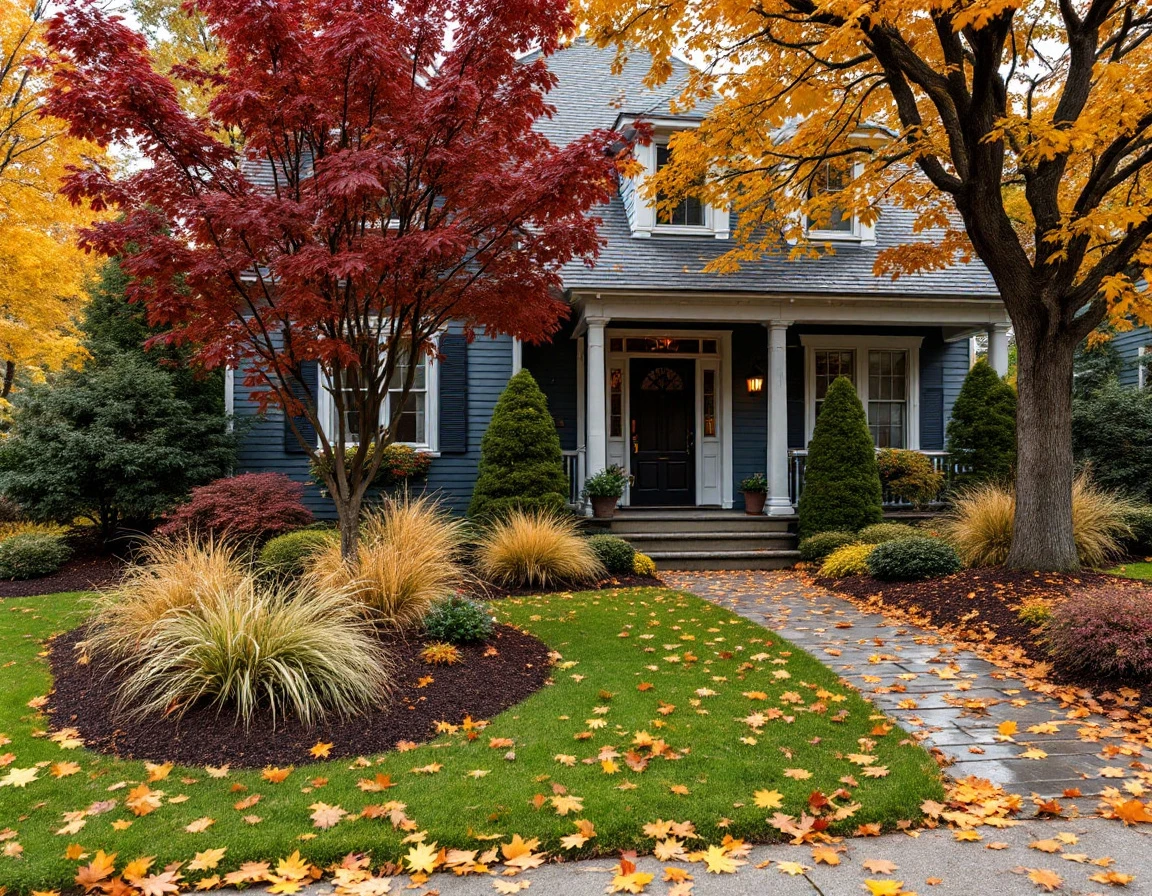
Fall queries center on preparation and protection. Customers search “fall cleanup services,” “winterizing plants,” and “leaf removal near me.” Content should address urgency: what happens if they don’t aerate now, why late-season fertilization matters, how to protect investment plantings before frost. This season converts browsers into buyers because the consequences of inaction are immediate.
Winter opens service gaps competitors ignore. While search volume drops for active outdoor work, niche queries emerge: “hardscape design consultation,” “winter yard planning,” “snow damage tree repair,” and “indoor plant care.” Publish conceptual design content, next-season planning worksheets, and educational posts that keep your domain active when competitors go silent. Winter content establishes authority with future spring customers who are researching now.
This segmentation works because it mirrors the buying cycle stages customers actually experience—not the single “we do landscaping” message most businesses repeat twelve months straight. Each season’s content cluster captures intent that generic evergreen posts miss entirely.
Spring: Design & Installation Content
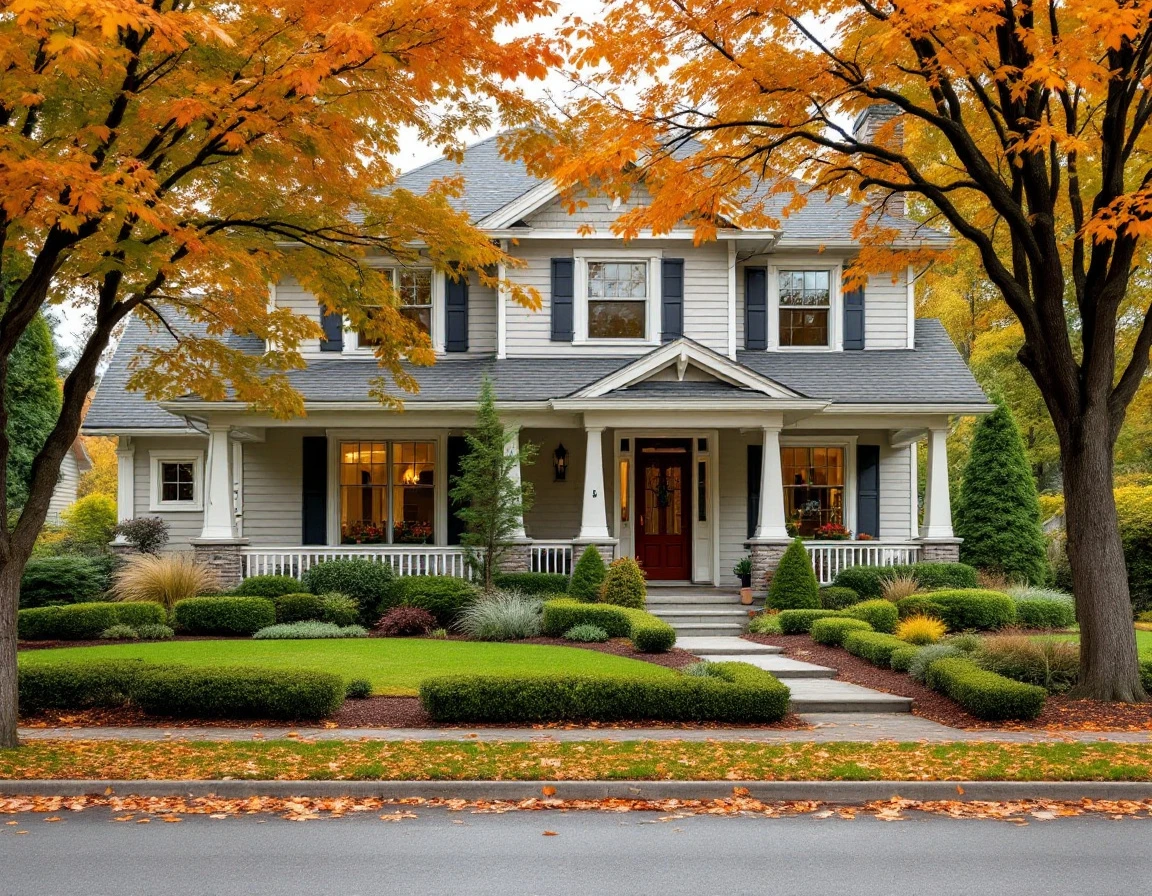
Search volume for design and installation keywords peaks between March and May as homeowners emerge from winter ready to plan season-long projects. Spring queries focus on design consultation, new installations, and renovation planning—homeowners want to see what’s possible before committing to contractors. Content should include before-and-after galleries, design portfolio showcases, and how-to guides for spring projects that answer common planning questions about timing, budget, and plant selection.
Target keywords like ‘spring landscaping design,’ ‘market installation,’ and ‘spring garden makeover’ by publishing design trend guides that showcase your aesthetic and expertise. A concrete example: create a post titled “Top 5 Spring Landscaping Designs for [Region]” paired with a photo gallery showing completed projects, design sketches, and transformation timelines. Each gallery entry should link to a detailed consultation process page explaining how you work with clients from concept through installation, concluding with a clear CTA linking to your booking page.
Summer: Maintenance & Care Content
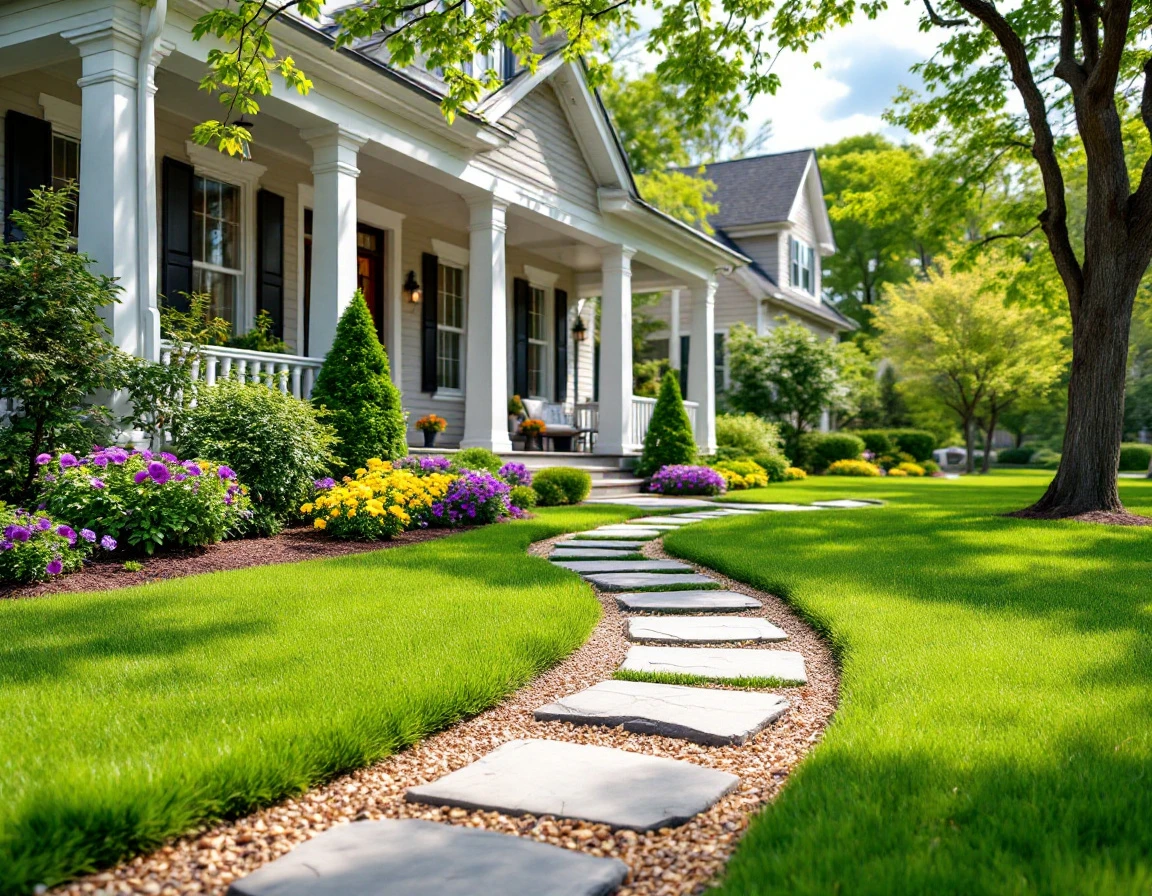
From June through August, search behavior shifts away from design planning toward active maintenance management. Homeowners who booked spring installations are now managing irrigation schedules, monitoring heat stress, and dealing with seasonal pests. This is peak search volume season for maintenance-focused keywords—”lawn maintenance,” “”…summer yard care,” and “seasonal grounds maintenance”—so publishing educational conte…nt now captures maximum intent.
Your summer content should address the practical challenges customers face during the hottest months. Publish guides on irrigation best practices, drought-resistant plant care. And water conservation techniques. Create service package pages that outline tiered maintenance plans with clear pricing and scope. Blog posts addressing heat stress management, pest prevention strategies, and weekly lawn care routines perform well during this window.
A concrete example: publish “Summer Lawn Care Checklist for [Region]” breaking down specific monthly tasks—June aeration schedules, July watering adjustments, August fertilization timing—with internal links to your maintenance service pages. This format answers immediate questions while guiding readers toward booking ongoing care packages.
Fall & Winter: Preparation & Niche Services
Fall content captures homeowners in high-urgency preparation mode. From September through November, search volume spikes for “fall cleanup,” “winterizing yards,” “leaf removal services,” and “garden bed preparation.” These queries signal immediate need—customers are preparing their properties for dormancy before the first freeze. Publishing Complete Fall Winterization Checklist for [Region] in early September positions your business at the exact moment homeowners realize they need help, capturing traffic when intent converts.
Winter months see search volume drop, but the queries that remain carry planning intent. December through February opens niche content opportunities that generic competitors ignore: “hardscape design for year-round interest,” “winter planting guide for evergreens,” “spring garden design services,” and “indoor plant care during winter months.” These searches come from homeowners actively researching major projects or seeking specialized knowledge—lower volume, but higher conversion potential.
The strategic advantage of consistent fall and winter publishing is visibility retention during the off-season. Search engines reward sites that maintain content freshness across all seasons. Businesses that go silent from November to March lose ranking authority and face steeper climbs when spring demand returns. Publishing two to three posts per month during slow seasons keeps your domain active in search indexes and captures the intent-driven traffic that continues year-round through your off-season landscaping marketing strategy.
Winter content also serves spring conversion. “…A January post titled “Plan Your Spring Yard Renovation: Timeline and Budgeting Guidee” attracts early planners and positions your consultation services for March bookings, bridging the gap between dormant months and peak season demand.
Implementation: Seasonal Content Calendar
A month-by-month calendar template prevents the scramble that happens when businesses publish everything during spring rush. The structure is simple:
- March through May demands two to three design-focused pieces monthly—trend guides paired with before-and-after galleries, portfolio showcases linked to service pages, and consultation process explainers. Target keywords like “patio design ideas” and “backyard transformation” during this window to build your landscaping visibility across the four seasons.
- June through August shifts to maintenance content at higher frequency. Publish two to four educational guides monthly covering irrigation troubleshooting, drought-resistant care techniques, and heat stress management. Keywords shift to “summer lawn care” and “watering schedules.” Internal links connect these posts to maintenance service pages and subscription offerings.
- September and October call for one to two high-urgency winterization posts monthly—aeration guides, leaf management checklists, and frost preparation resources. November through February benefit from niche planning content. Design trend forecasts, hardscape material comparisons, and early-booking incentives. Publishing frequency drops to one to two pieces monthly, but search authority stays active.
Content Refresh Strategy
Evergreen posts need seasonal updates. Spring design galleries require fresh project photos annually. Summer maintenance guides need weather pattern adjustments. Fall cleanup checklists stay static unless service offerings change. Schedule quarterly reviews to identify refresh opportunities.
Ready to build your year-round content engine? Explore how PublishPuffin automates seasonal publishing while maintaining voice consistency and quality control across all four quarters.