Trust Gap Between Independent and Marketplace
When pet owners search for boarding, they face a trust problem: they can’t directly evaluate facility quality, staff expertise, or daily care standards from a Rover listing. Pet boarding content marketing addresses this gap by transforming invisible operational advantages into visible proof. Marketplace platforms aggregate hundreds of providers into standardized profiles with star ratings and brief descriptions, but these signals lack context. A 4.8-star rating tells you nothing about kennel ventilation, staff veterinary training, or how a facility handles separation anxiety in dogs.
Independent boarding facilities typically maintain higher care standards than gig-economy providers—dedicated staff, veterinary partnerships, structured enrichment programs, documented safety protocols. But these advantages remain invisible to owners comparing options online. The marketplace platform controls the information architecture, and independent businesses lose bookings not because their facilities are inferior, but because their quality signals don’t reach decision-makers at the research stage.
Content publishing solves this information asymmetry directly. Facilities that publish virtual tours showing kennel layouts, staff credential pages detailing training certifications, and daily care documentation explaining feeding schedules and exercise routines give owners the evidence they need to trust an independent provider over a marketplace listing.
This isn’t optional marketing content—it’s the competitive response to platforms that commoditize care quality into star ratings.
Four Content Categories That Address Owner Concerns
Independent boarding facilities build pet boarding trust building content through four categories that directly answer the questions pet owners ask before booking:
- Facility tours that show where pets sleep and play
- Safety protocols that explain emergency procedures and health monitoring
- Staff credentials that demonstrate training and animal care expertise
- Care documentation that reveals daily routines and enrichment activities
Each category transforms an invisible advantage into visible proof.
Facility tours (virtual walkthroughs, equipment)
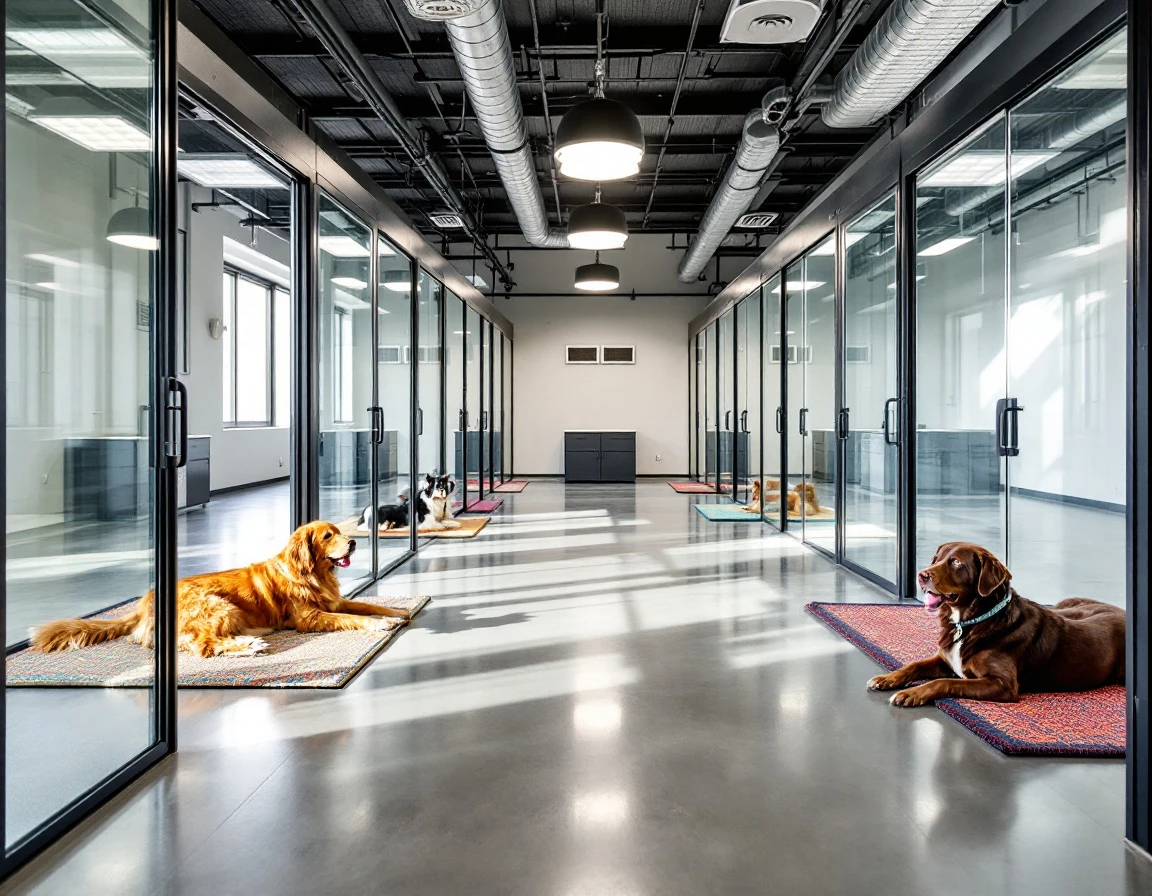
Virtual facility tours eliminate the anxiety pet owners feel when they can’t visualize where their dog or cat will spend the week. A walkthrough video showing kennel layouts, outdoor play areas, and sleeping accommodations provides the spatial context that Rover profiles omit entirely. When you pan across climate-controlled suites, show feeding stations with labeled bowls, and demonstrate secure fencing, you answer the unspoken question driving hesitation: “Is this place actually safe for my pet?”
Equipment inventory content builds confidence through specificity. Publish photos of your ventilation systems, sanitization equipment, and surveillance cameras with explanations of how each component protects pet health and safety. Pet boarding facility transparency documentation—cleaning schedules, disinfection protocols, and odor control methods—demonstrates operational rigor that marketplace listings cannot convey.
Safety protocol content addresses edge-case scenarios that keep owners awake at night. Detail your emergency evacuation procedures, veterinary partnerships with named clinics, and illness response workflows. When a pet owner sees your documented process for handling a sudden fever or injury—including after-hours vet contact information and transport protocols—they recognize preparation that platform profiles never reveal.
Staff Credentials (Certifications, Training)
Pet care certifications provide verifiable expertise markers that exist independent of customer star ratings. When boarding facilities publish staff credentials—Pet First Aid certifications, Professional Animal Care Certification (PACC) credentials, veterinary assistant backgrounds, Fear Free training completion—they establish professional qualifications that marketplace profiles cannot match. A dog handler with documented behavior modification training and three years of kennel experience offers measurable expertise that a gig worker’s 4.8-star rating cannot communicate.
Care documentation transforms daily operations into trust-building evidence. Publishing examples of daily activity logs, feeding schedules with portion specifications, medication administration records, and behavior observation notes demonstrates operational accountability. These documents show pet owners exactly how their animals spend each day—which exercise periods occurred, what behavioral patterns staff noticed, how meal times proceeded. Marketplace platforms provide post-stay reviews, but boarding facilities that share actual care documentation during stays prove real-time attention and professional record-keeping that builds confidence before booking decisions happen.
Autonomous Content Engines for Independent Pet Boarding Business Marketing
Independent boarding facilities already possess the raw materials for transparency content. Daily care logs document feeding schedules and activity levels. Staff certification files contain training credentials and veterinary technician licenses. Facility maintenance records track cleaning protocols and equipment inspections. These operational records exist for regulatory and internal purposes but never reach potential clients researching booking decisions.
Content engines convert existing operational data into published web content without hiring marketing staff. The workflow requires uploading existing materials—facility photos, safety documentation, staff credentials—into an AI system that structures the information into readable posts. A boarding facility owner can upload facility photos and current safety protocols, then receive a complete facility tour post with integrated safety callouts within 30 minutes. The system templates the content structure, writes descriptive sections, and formats the material for web publishing.
This approach solves the capacity barrier that prevents independent operators from competing with marketplace platform visibility. Boarding facilities cannot afford dedicated content writers, but they can manage upload workflows and content review processes. A facility tour post that previously required 8-12 hours of photography, writing, and editing now takes 45 minutes of uploading existing photos and reviewing generated content.
Staff credential documentation follows the same templated workflow. HR records containing certifications and training completions feed into content templates that generate staff profile posts. Daily care logs—already maintained for operational accountability—become source material for care documentation posts that demonstrate facility routines and animal welfare practices. The content creation effort shifts from writing to repurposing, transforming internal records into published transparency content that addresses pet owner research needs.

Summer 2026 Booking Season Implementation Timeline
Pet owners researching boarding options in June are booking travel for July and August departure dates. The decision window spans 4-8 weeks from research to reservation, which means prospects browsing facilities this week will complete bookings by mid-June. Content published after June 21 arrives too late to influence summer boarding decisions.
This timeline dictates a three-week implementation sprint structured around decision priorities. Week one (June 1-7) focuses on facility tours and core safety protocols—the content that addresses immediate anxiety about physical space, containment systems, and emergency procedures. These pieces answer the first-gate questions that determine whether an owner continues evaluating your facility or moves to the next search result.
Week two (June 8-14) adds staff credentials and emergency veterinary protocols. Providing the expertise verification that separates qualified facilities from casual operations. Week three (June 15-21) deploys daily care documentation templates—activity logs, feeding schedules, enrichment programs—that demonstrate operational systems rather than ad-hoc care.
Autonomous content engines make this cadence feasible for solo operators who cannot dedicate 15 hours per week to writing.
Converting existing facility photos into virtual tour content, formatting safety checklists into published protocols, and templating staff certifications into credential pages requires uploading and reviewing rather than drafting from scratch. The platform handles content generation while you maintain operational focus, publishing multiple transparency pieces weekly without staffing bottlenecks that delay launch past the booking window.
Measuring Booking Impact from Pet Boarding Content Marketing
Independent boarding operators can prove content ROI through simple tracking systems that require no special software. Add a single question to your inquiry form: “How did you learn about our facility?” with the following options:
- Facility Tour Page
- Safety Protocols
- Staff Credentials
- Care Documentation
This direct attribution establishes which published content closes bookings.
Track repeat booking patterns separately. Owners who reviewed your transparency content before their first booking demonstrate higher return rates because they’ve already validated your facility meets their standards. Note in your booking system which first-time clients spent time on specific content pages, then compare their repeat rate against clients who booked through phone referrals without reviewing online content.
Compare month-over-month inquiry volume to isolate content impact. June 2026 inquiry counts measured against June 2025 reveal whether your published facility tour and safety protocols captured additional summer boarding demand. This year-over-year comparison controls for seasonal patterns while isolating the effect of new content.
Monitor marketplace platform reviews for phrases like “wish I’d seen photos of the facility” or “wanted more information about staff training.” These review patterns identify trust gaps your published content addresses. When prospective clients mention your virtual tour or staff credentials page during booking conversations, you’ve established measurable causality between content and conversion.