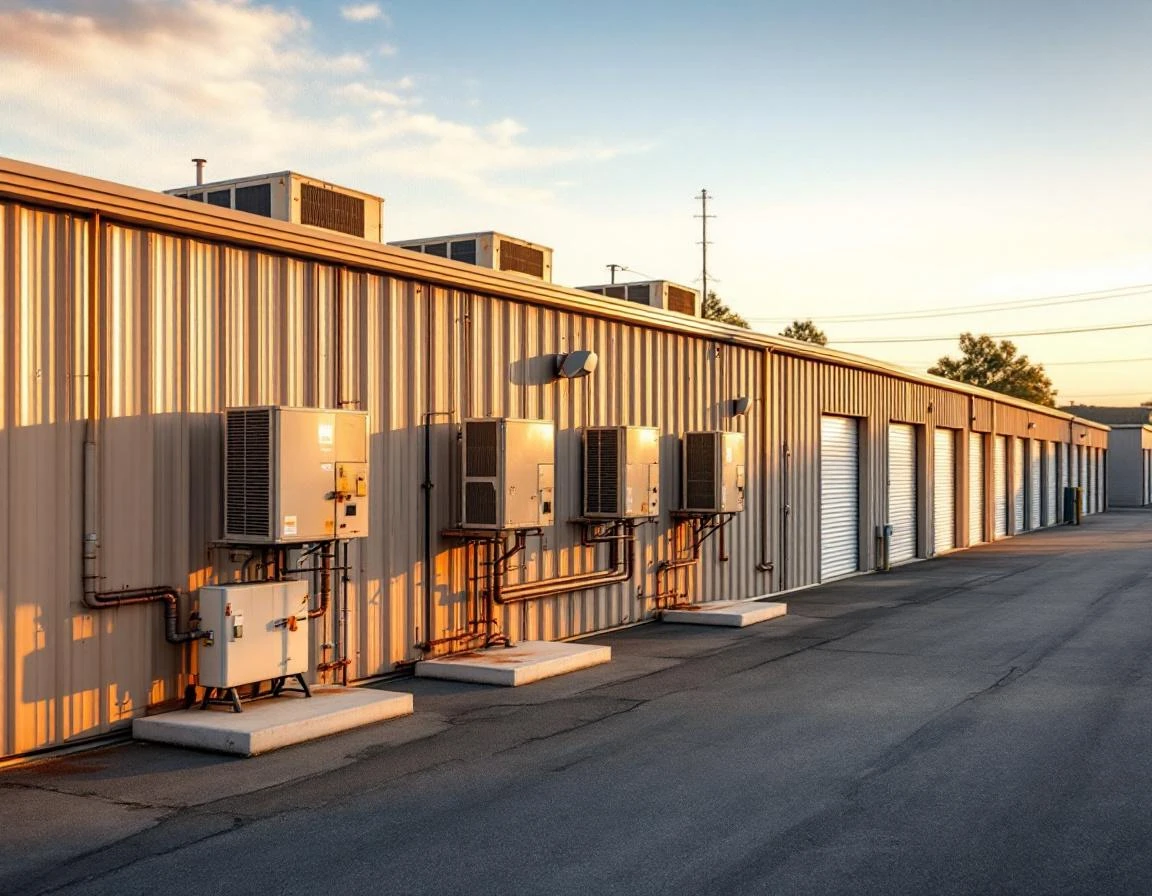
Trust Deficit in Temperature-Controlled Storage
This case study examines how transparent content builds customer trust in high-stakes service decisions. Storage facilities illustrate a common challenge PublishPuffin addresses across industries: renters researching climate-controlled units distrust inflated claims and buried fees. Transparent pricing structures convert these skeptical prospects—and the same content principles apply to any service business where customers fear hidden costs.
Renters researching climate-controlled units fear hidden fees and feature overselling
Prospective renters approach climate-controlled storage with justified skepticism. The industry hasn’t established credible content standards. Years of vague marketing language around “temperature regulation” and “advanced climate systems” have created a trust gap—customers can’t distinguish genuine environmental controls from basic ventilation rebranded as premium features.
This opacity extends to pricing structures. Advertised rates rarely include the actual monthly premium for climate control or clarify what temperature and humidity ranges the facility maintains. Without transparent breakdowns of installation costs, energy expenses, and measurable environmental controls, facilities lose high-intent prospects who assume undisclosed fees will appear later.
Publishing specific cost structures—actual monthly premiums, maintenance schedules, and documented temperature/humidity ranges—addresses this distrust directly. This content approach converts researchers who value clarity over promotional claims.
High-intent renters abandon facilities during May
May brings seasonal moving demand and fierce competition. Facilities that publish transparent pricing—installation costs, monthly premiums, energy specifications—convert comparison shoppers. Those hiding costs behind vague “call for pricing” messages trigger distrust shaped by the industry’s reputation for hidden fees.
Facilities publishing upfront pricing tiers differentiate themselves when renters evaluate options side-by-side. This transparent content strategy captures prospects at the decision point rather than losing them to competitors who itemize their costs.
Installation Costs Per Climate-Controlled Unit
To demonstrate how transparent content builds trust, examine how itemized cost documentation works. Facilities that break down installation expenses help renters understand the infrastructure investment behind premium pricing. This specificity addresses customer skepticism.
Climate-controlled units require complete HVAC equipment and controls:
- Ductwork integration
- Digital thermostats
- Humidity sensors
- Centralized monitoring systems that allow remote temperature verification
Facility economics create natural pricing advantages. Larger facilities (200+ units) distributing climate control across 60+ spaces amortize infrastructure costs more efficiently than smaller facilities (50 units) converting 15 spaces. Transparent facilities create comparisons showing:
- Central HVAC system cost per unit
- Monitoring dashboard cost per unit
- Total per-unit premium
This data demonstrates why larger facilities offer competitive pricing. Renters see exactly how unit density allows lower premiums while maintaining profitability.
Amortization timelines inform transparent pricing conversations. Installation costs spread across equipment lifespan translate to recurring monthly charges before factoring in energy, maintenance, and property tax adjustments. When renters see this breakdown alongside actual monthly premiums, they understand that pricing includes ongoing operational costs—not just equipment recovery. This transparency addresses the trust deficit that drives comparison shopping during peak moving season.
Maintenance infrastructure represents ongoing cost structure that justifies sustained premium pricing. Filter replacement schedules, quarterly HVAC inspections, humidity sensor calibration, and emergency repair capacity all require dedicated budgets. Facilities that publish maintenance protocols alongside pricing data demonstrate that climate control premiums fund continuous environmental protection, not just initial installation recovery.
Monthly Premium Structures and Energy Costs
This seasonal pricing example illustrates a content principle PublishPuffin applies across industries: variations demand transparent, itemized documentation rather than averaged claims. Facilities publishing tiered cost structures—separated by component and season—outrank competitors using opaque “contact for pricing” language in search results.
Transparent facilities calculate climate control premiums using three cost components: HVAC operation, equipment maintenance reserves, and depreciation per unit. For a standard climate-controlled storage unit, monthly HVAC operation costs vary based on local electricity rates and seasonal demand. Check utility provider per-kWh rates, then estimate cooling load. Maintaining consistent temperature and humidity levels in sealed storage space requires calculating kWh consumption during peak summer operation.
May through August presents the pricing challenge. Cooling demand spikes exactly when moving season drives rental inquiries. A unit requiring $18 in cooling costs during March may jump to $32 in July. Rather than hiding this variation in averaged pricing, tier structures reflect actual consumption. Transparent facilities offer three pricing levels:
- Standard units (no climate control)
- Light climate control (temperature stability only, 50-85°F range)
- Full climate control (tight temperature and humidity ranges)
This approach shows renters the operational cost difference—light climate control might add $20 monthly while full control adds $35—explaining that pricing reflects measured energy consumption, not arbitrary markup.
Maintenance transparency addresses the core trust issue. Facilities allocate monthly reserves per climate-controlled unit for HVAC filter replacement, duct cleaning, and compressor servicing.
When facilities publish monthly reserve allocations—separated into filter replacement costs, duct cleaning, and compressor servicing—renters perceive pricing as operational necessity rather than profit-taking. This transparency shifts customer psychology from skepticism to confidence.
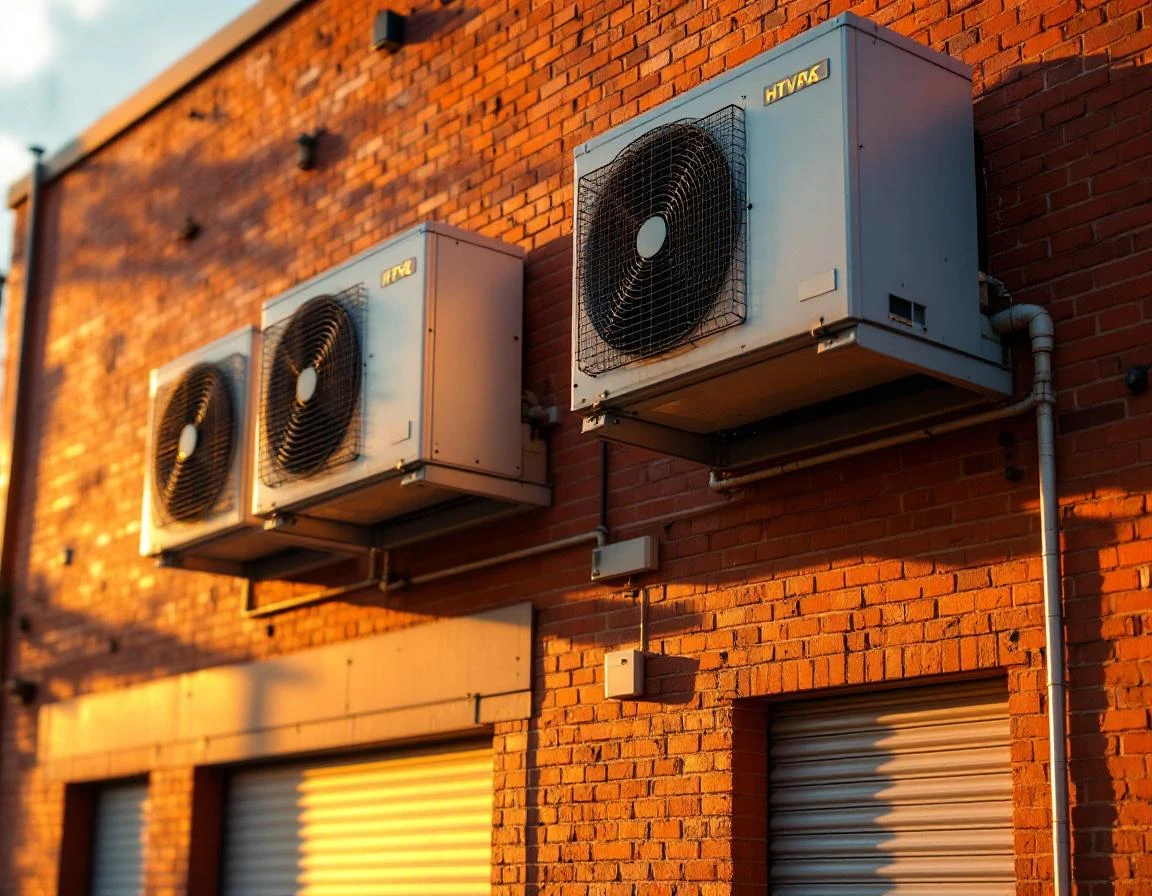
ROI Comparison: Climate vs. Standard Units
This ROI framework demonstrates how detailed, benefit-focused content converts high-intent prospects. Rather than feature lists, transparent facilities publish side-by-side cost-benefit analyses: climate control premium vs. furniture restoration costs, electronics replacement expenses, and document deterioration risks. This data-driven approach mirrors how PublishPuffin helps service businesses frame value propositions.
High-intent renters researching climate control during May’s moving season calculate whether monthly premiums justify protecting their household goods during transitions between homes. Transparent facilities build comparison templates around what renters actually store during residential moves:
- Electronics like laptops, gaming systems, and monitors that carry high replacement costs
- Wooden furniture vulnerable to humidity damage requiring costly refinishing or replacement
- Irreplaceable documents and photographs that degrade in uncontrolled temperature swings
Present this as side-by-side analysis: the cost of climate control premiums weighed against the expense of a single furniture restoration project or failed hard drive recovery.
The payback calculation becomes simple when facilities show how economics meet renter protection needs. For a renter storing climate-sensitive items, the insurance premium provides protection against humidity damage to wood finishes, condensation corrosion in electronics, and document deterioration. Position this against self-storage’s core value proposition: paying for space also means paying for protection.
May through August renters present the strongest climate control conversion opportunity because they’re storing complete household inventories between leases or home closings. These transitional storage customers bring exactly the mix of items most vulnerable to temperature and humidity fluctuations—not seasonal decorations or rarely-used equipment, but active household electronics, upholstered furniture, and working wardrobes they’ll need functional in 60-90 days. When facilities present itemized premium costs against replacement scenarios for the goods renters actually protect, the ROI comparison shifts from abstract feature benefit to documented cost avoidance.
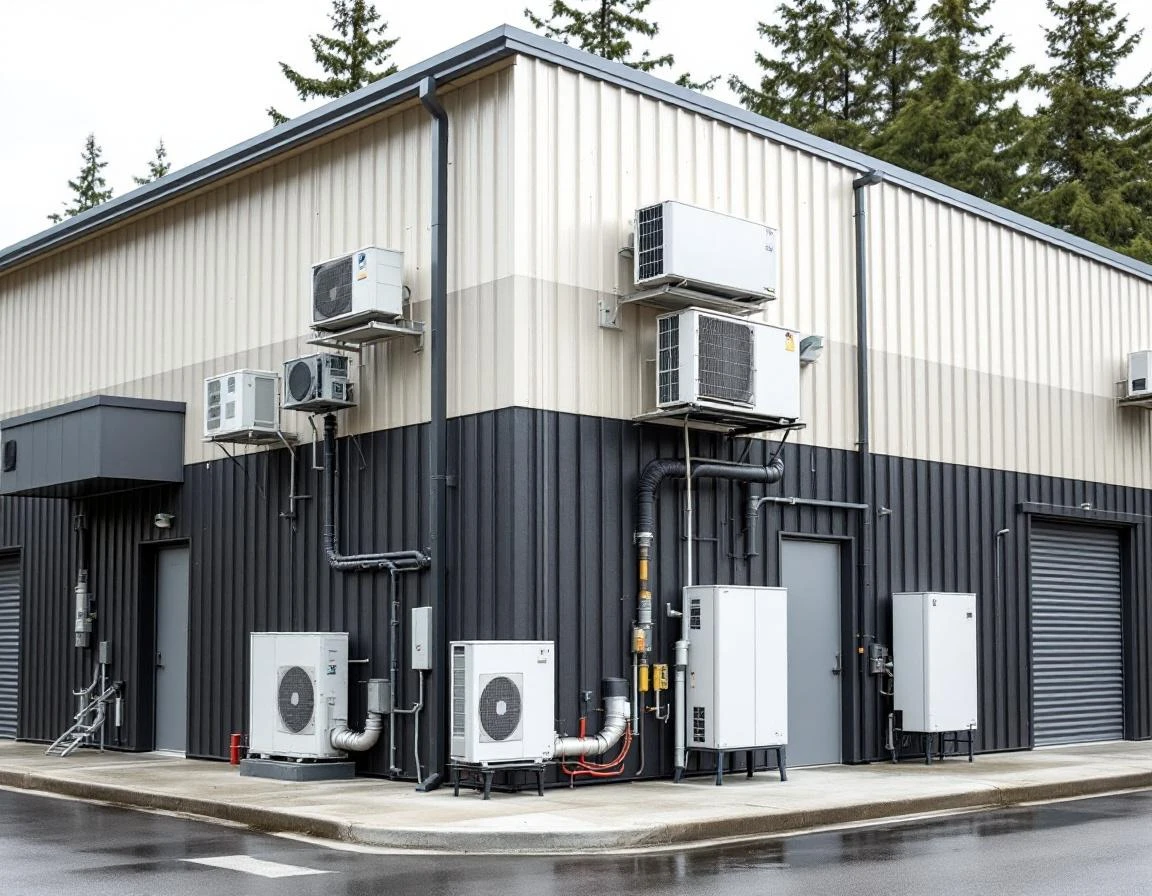
Presenting Maintenance Transparency and Benchmarks
Climate-controlled units function properly only when facilities maintain specific environmental benchmarks and prove they monitor them continuously. Renters researching storage options during May moving season expect ±5°F temperature stability and 30-50% relative humidity ranges—the conditions that prevent mold growth and protect sensitive belongings. Facilities that publish exactly how they measure these targets convert skeptical renters who’ve encountered vague “climate control” claims elsewhere.
Transparent facilities explain monitoring infrastructure in operational detail. Describe whether you use 24/7 sensor systems in each climate zone, how frequently readings are logged, and whether renters can access real-time data through a tenant portal. This level of transparency directly addresses the industry’s credibility problem: customers distrust claims they can’t verify. Publishing maintenance schedules—quarterly HVAC inspections, monthly filter replacements, emergency service availability windows—demonstrates operational commitment beyond marketing language.
Break down maintenance costs as distinct line items within monthly pricing. Show renters that their premium covers filter replacement cycles, professional inspections, and 24-hour emergency HVAC response. Facilities that itemize these operational expenses prove their climate control systems receive active maintenance rather than running until failure.
Position benchmarks against industry standards. If your facility maintains tighter temperature variance than the ±10°F range common at budget competitors, or if your humidity controls prevent the 60%+ spikes that trigger mold, state those performance advantages explicitly. High-intent renters willing to pay premium pricing need evidence-based justification—documented operational standards that explain why your units protect belongings better than alternatives claiming similar features.
Transparent Storage Pricing: Climate Control as May Moving Season Competitive Advantage
This storage facility example illustrates a principle PublishPuffin applies across industries: transparent, itemized content converts comparison shoppers in any market. May moving season transforms transparent storage pricing from operational practice into conversion strategy. High-intent renters searching “how much does climate control storage cost” and “temperature controlled unit cost comparison” are actively evaluating options—abandoning facilities that bury fees behind vague “premium features” language while gravitating toward competitors who itemize installation amortization, monthly HVAC operation, and maintenance reserves.
Facilities publishing the cost analysis data covered in previous sections—installation parameters, ongoing maintenance costs broken down by energy consumption and filter replacement schedules, ROI comparisons against electronics and furniture replacement costs—position themselves to capture these comparison shoppers. These searchers have already rejected opaque competitors. They’re looking for facilities that show their math.
Transparency functions as a trust signal that justifies premium pricing while reducing churn. When renters understand that their premium reflects actual energy consumption for maintaining climate stability rather than arbitrary markup, they perceive the cost as operational necessity rather than profit-taking. This positioning converts skeptical renters storing transitional household goods who distrust industry-standard feature overselling into customers who recognize the value of honest pricing.
The competitive advantage materializes in search rankings and conversion rates. Facilities publishing detailed cost breakdowns rank for commercial-intent climate control pricing queries during peak season, capturing renters at decision stage rather than awareness stage. Data-driven messaging converts higher-intent traffic than competitor marketing focused on generic feature lists—because these renters have already researched the features and are now evaluating which facility proves their claims through verifiable operational data.
PublishPuffin helps service businesses publish this exact transparent, data-driven content at scale. Facilities publishing installation parameters, energy cost breakdowns, and maintenance reserves rank for high-intent search queries and capture prospects at decision stage. Our platform automates this content generation—transforming operational documentation into conversion-focused assets. Schedule a demo to see how PublishPuffin helps your industry build authority through transparent, detailed content.