Why Catering Dietary Expertise Content Converts
Couples and event planners eliminate vendors before requesting quotes. Publishing detailed dietary accommodation guides positions your catering business as the expert choice during spring research cycles when decisions form. This approach to catering dietary expertise—particularly around vegan, gluten-free, and allergen-safe options—transforms how planners evaluate caterers.
Couples and corporate planners research dietary
Engaged couples and corporate event managers begin researching dietary accommodations three to six months before their events. With January through April representing the peak research window for spring and summer weddings. During these months, planners aren’t yet requesting quotes—they’re evaluating which caterers understand vegan proteins, gluten-free preparation protocols, and cross-contamination prevention.
Educational content addressing these specific dietary needs positions your catering business as a knowledgeable specialist rather than another commodity vendor competing solely on price. When couples discover your detailed guide to preparing separate vegan entrées or your allergen safety protocols during their research phase, they arrive at the quote stage already confident in your expertise.
Published expertise shifts buyer psychology
When caterers publish detailed guides on vegan menu planning, gluten-free cross-contamination protocols, or kosher certification requirements, they fundamentally change how clients evaluate vendors. Instead of comparing caterers solely on per-plate pricing, engaged couples and corporate planners assess expertise depth and accommodation capability. Spring research activity peaks as couples planning May through October weddings begin serious vendor evaluation, typically starting their search three to six months ahead. Corporate event planners follow similar patterns, researching dietary accommodation strategies for summer conferences and outdoor events during the January-April window. Educational content positions caterers as dietary experts rather than interchangeable service providers competing on cost.
Core Catering Dietary Expertise Topics for Spring
Caterers should build authority through four foundational content pillars published between January and March, each demonstrating operational depth that distinguishes expertise from surface-level awareness. These topics address the specific dietary questions couples and corporate planners research during spring planning cycles.
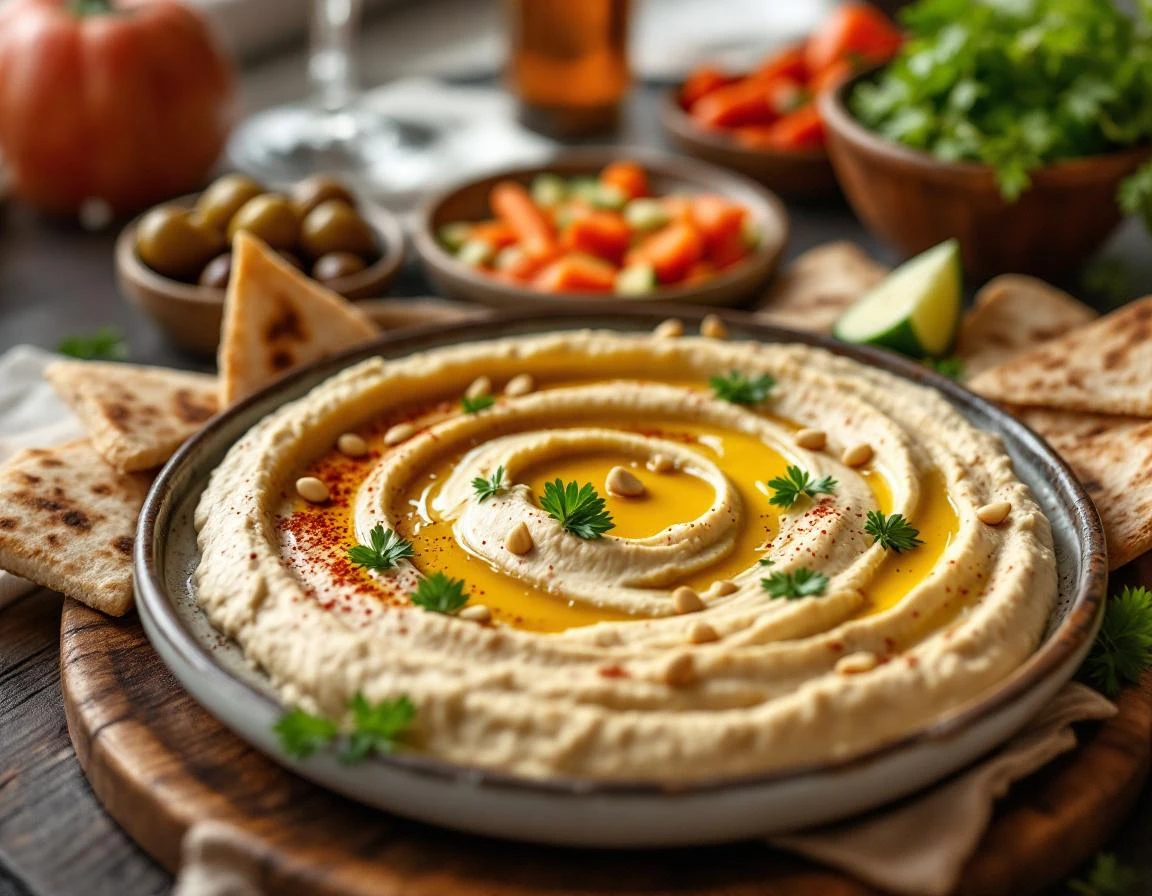
- Vegan event catering requires guides covering plant-based protein sources that satisfy non-vegan guests, crowd-appealing dishes that avoid the “plain salad” stereotype, and vendor certification standards for organic and ethical sourcing. Content should detail menu design strategies for mixed-diet events and staff training protocols for ingredient substitutions.
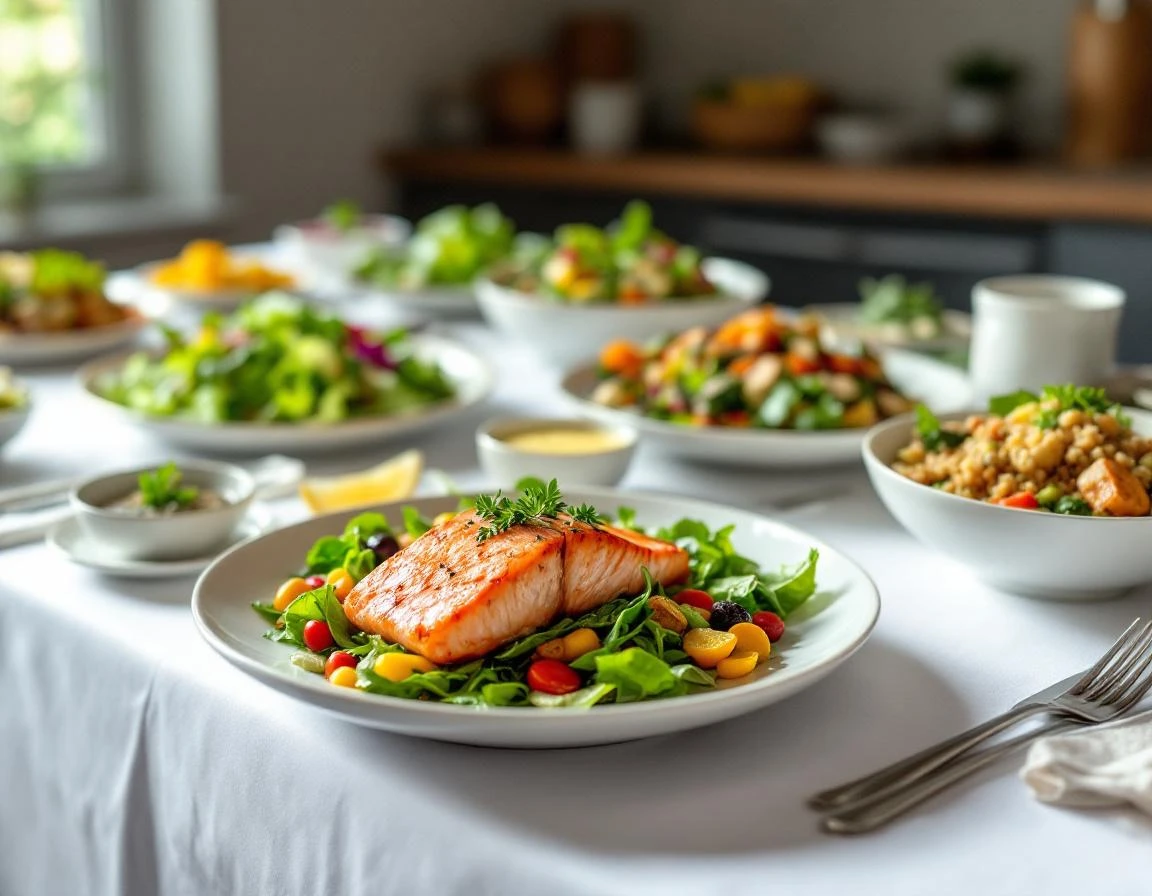
- Gluten-free accommodation content must address cross-contamination prevention in shared kitchen environments, vendor coordination for certified gluten-free ingredients, and menu design that avoids isolating gluten-free guests with different meal experiences. Detail your kitchen protocols, equipment sanitization standards, and communication systems with ingredient suppliers.
- Allergen-safe catering guides should cover all nine major allergens (milk, eggs, fish, shellfish, tree nuts, peanuts, wheat, soybeans, sesame), explaining labeling protocols that meet FDA requirements, ingredient tracking systems, and staff training standards that prevent cross-contact during service. Include your documentation procedures and emergency response protocols.
- Religious dietary accommodations catering require separate guides for halal certification standards, kosher supervision requirements, Hindu vegetarian specifications, and Sikh dietary practices. Each guide should explain certification importance, approved vendor networks, and menu design that respects religious observance while creating inclusive event experiences.
This systematic approach to topical authority follows proven seasonal content strategy principles: publish depth-focused guides before peak research periods, demonstrate both culinary creativity and operational competence, and establish your catering business as the knowledgeable choice when planners narrow vendor selections from ten options to three finalists.
Structuring Dietary Guides for SEO and Ranking
Each dietary expertise guide should target two to three secondary keyphrases that match how planners search during the research phase. A gluten-free catering guide might target “allergen-safe catering services,” “how to find caterers with dietary expertise,” and “corporate event gluten-free menu planning.” These phrases capture intent from planners comparing options rather than browsing general catering information.
Structure each 1,200 to 1,800 word guide with a clear framework that mirrors the research questions planners ask. Open with the problem statement that reflects their concern—”How do I find caterers with proven gluten-free expertise who can safely serve 200 guests?”—then deliver a step-by-step implementation framework.
Cover menu design first, showing recipe adaptations and flavor profiles, then address operational logistics: where you source certified gluten-free ingredients, how kitchen staff prevent cross-contamination, which third-party certifications verify your protocols, and what documentation you provide to venues and clients.
Internal linking creates the topical cluster that signals expertise to search engines. Within each dietary guide, link to your pricing page when discussing custom menu development costs, to your how-it-works page when explaining consultation processes, and to contact forms when referencing quote requests. Link laterally to related guides—your vegan catering guide should reference allergen-safe practices, and your kosher guide should link to equipment sourcing discussions in the gluten-free content. This interconnected structure shows search engines you’ve covered the topic completely rather than publishing isolated posts.
Reusable Content Template
Build each guide using this five-part structure: compelling headline targeting the primary keyphrase, problem statement framing the planner’s concern, detailed framework with specific supplier names and protocol steps, compliance checklist covering certifications and documentation, and clear call-to-action directing planners to schedule a consultation. This template works across all four dietary topics while allowing menu specifics and sourcing details to differentiate each guide. The practical depth—naming certification bodies, describing cross-contamination prevention, listing specialty suppliers—demonstrates genuine operational expertise rather than recycled general advice.

Publishing Timeline and Seasonal Optimization
The window for capturing spring wedding and early-summer corporate event planning opens narrow and closes fast. Caterers who publish their first two dietary guides—covering vegan and gluten-free accommodations—by mid-April 2026 position themselves to rank in search results precisely when engaged couples and corporate planners intensify their research in May and June. Search engines need four to eight weeks to index and rank new content, making April publication essential for June visibility.
Follow this cadence: Release your allergen-safe practices guide and religious dietary accommodations content by early May. Corporate event planners booking summer and early fall gatherings enter their mid-planning cycle during this period, actively researching caterers who demonstrate clear operational protocols for dietary restrictions. This staggered release maintains fresh content signals while building topical authority across complementary dietary topics.
Traditional content creation creates bottlenecks that prevent caterers from competing during peak season. Hiring agencies introduces weeks of revisions and approval cycles. Autonomous publishing removes these delays. Enabling caterers to maintain a weekly publishing cadence without expanding staff. Using AI content templates and automated publishing platforms, caterers produce one detailed dietary guide per week throughout spring, building authority while competitors remain silent or rely on outdated website copy written years earlier.
Converting Research-Phase Engagement to Event Bookings
Publishing catering dietary expertise guides creates a qualified lead pool months before couples and corporate planners enter active vendor selection. When a planner reads your 2,500-word vegan catering guide in February, they’ve self-identified as high-intent prospects who value expertise over price comparison. This research-phase engagement shifts eventual negotiations away from lowest-bid competition toward confidence-based selection.
Capture these engaged readers through email signup offers positioned within each guide. A downloadable dietary accommodation checklist or wedding menu planning worksheet converts passive readers into trackable leads.
These email contacts enter a nurture sequence—two to three touchpoints over four to eight weeks—that reinforces your operational expertise without aggressive sales messaging. When planners transition from research mode to active booking (typically four to eight weeks before their event), your follow-up outreach arrives precisely when they’re requesting quotes.
Structure each dietary guide with dedicated landing pages for specific topics: vegan menus, gluten-free protocols, allergen-safe operations, kosher or halal compliance. These topic-specific pages enable retargeting campaigns targeting users who read your content but haven’t contacted you yet. Internal links from guides directly to your contact form and pricing pages reduce friction for planners ready to request proposals immediately.
Include case studies or client testimonials within each guide demonstrating successful execution of complex dietary requirements. A testimonial from a corporate client praising your allergen-safe protocols addresses planner objections before they arise. These proof elements build trust that commodity caterers competing solely on per-plate pricing cannot replicate. Your published expertise becomes the asset that closes sales at higher margins because planners arrive at the quote stage already convinced of your capabilities, not comparison-shopping for the lowest bid.
Building a Reusable Content System for Catering
The dietary guides you publish from April through June should anchor a content system that extends far beyond spring 2026. Each guide becomes a reusable asset when you standardize your creation process around a consistent template framework: problem definition, solution framework, implementation checklist, and qualified call-to-action. This structure reduces friction when you or your team write the next guide, because the architecture stays constant while only the subject matter changes.
Autonomous publishing workflows allow caterers to maintain a cadence of one dietary guide per week during spring without manual editing bottlenecks. PublishPuffin handles keyphrase research, content generation, quality validation, and WordPress publishing so you can focus on refining menu examples and sourcing protocols rather than wrestling with production logistics. That consistency builds domain authority while your competitors publish sporadically.
Each published guide multiplies its return when you repurpose it into derivative assets. A single vegan catering guide becomes three Instagram carousel posts highlighting menu creativity, a five-email nurture sequence for engaged couples researching plant-based options, a downloadable kitchen protocol checklist, and a webinar outline for corporate HR teams planning inclusive events. You create once and distribute across channels without proportional effort increases.
Future seasonal opportunities keep your expertise relevant year-round. Holiday-specific dietary guides for Passover and Ramadan catering capture planners outside traditional wedding seasons. Catering to dietary needs such as gluten-free and vegan options has become increasingly important in today’s diverse food industry. Allergen updates responding to FDA labeling changes position you as current on compliance requirements. The demand for gluten-free and vegan meals has risen in recent years. Making trend-driven content covering plant-based innovation or keto-friendly menus essential for capturing emerging dietary preferences before competitors recognize the search demand. Your catering expertise becomes an ongoing authority asset rather than a one-time campaign.