Why Luxury Homeowners Research Before Requesting
When a homeowner invests in a whole-home audio system or pursues full smart home integration, they don’t pick an installer from a directory listing. High-net-worth clients conduct extensive due diligence months before they ever fill out a contact form. They’re reading technical blogs about acoustic treatment approaches for open-concept great rooms. They’re comparing control system architectures—Control4 versus Crestron versus Savant—and evaluating which installers understand the nuances of each platform. This research behavior reflects a fundamental shift in how affluent homeowners evaluate residential AV design authority before making significant technology investments.
Affluent homeowners in technology-forward markets expect installers to demonstrate expertise through published content, not just portfolio photos. A blog post that solves a specific technical problem—explaining how to achieve proper multi-room audio synchronization across different speaker zones, or detailing why certain room geometries require particular speaker placement strategies—builds trust before the first phone call happens.
This research behavior changes the sales process entirely. Installers who publish authority content answer technical questions prospects are already asking themselves. When a potential client reads your explanation of distributed audio latency issues and how different systems handle them, they arrive at the consultation already educated on the fundamentals. They’re not questioning whether you understand the technology—your published work already proved that. Sales cycles compress because you’re not starting from zero, and you’re attracting clients who value expertise enough to pay premium pricing for it.
Technical Topics That Resonate With Affluent Homeowners: Building Credibility for Residential AV Installers
High-ticket AV clients arrive at consultations having already researched specific technical challenges. They’re not asking whether whole-home audio is possible—they want to know how you’ll handle acoustic reflections in their 30-foot vaulted living room or why one control platform integrates better with their existing Lutron lighting than another. The installers who earn their business publish content that addresses these precise technical questions, demonstrating expertise before the first phone call. Building credibility residential AV installers requires this depth of technical knowledge visible in published work.
Open-Concept Acoustics: Hard Surfaces and Sound Propagation
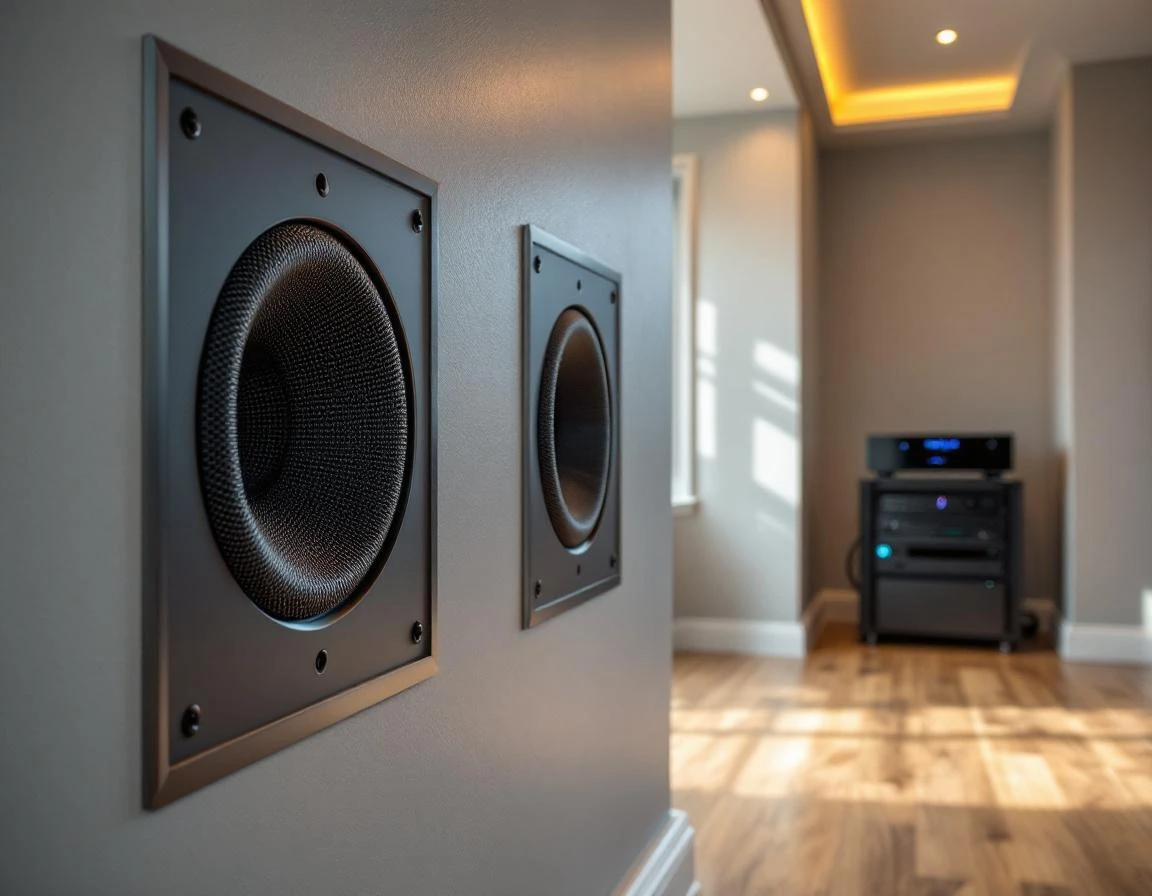
Affluent homeowners researching multi-room audio immediately encounter the acoustic reality of open-concept architecture. Floor-to-ceiling windows, polished concrete floors, and minimalist design create reflective surfaces that turn music into muddy echoes. Your content should explain how strategic speaker placement, digital signal processing, and acoustic treatments work together to deliver clarity without compromising aesthetics.
Address the specific trade-offs: in-ceiling speakers positioned to minimize first reflections, beamforming technology that focuses sound away from hard surfaces, and how room correction algorithms like Dirac Live or Trinnov measure and compensate for room modes. Homeowners conducting research want to understand why your approach differs from basic speaker installation—this technical depth separates you from competitors who simply mount equipment.
Multi-Room Synchronization Without Latency
The promise of whole-home audio breaks down when kitchen audio trails living room sound by 200 milliseconds. Prospects researching this problem want to know which platforms handle clock synchronization best and how network architecture affects performance. Your content should explain the difference between Wi-Fi-dependent systems and dedicated audio networks, why buffer sizes matter, and how codec selection affects both quality and latency.
Cover the technical approaches: RAAT protocol in Roon systems, proprietary sync in Sonos, or network-attached storage with centralized distribution. Explain when each approach works best and which scenarios expose their limitations. This level of detail attracts clients who’ve already eliminated basic solutions and need expert guidance on complex installations.
Control Platform Selection: Integration Architecture
Choosing between Crestron, Savant, Control4, and RTI involves understanding how each platform handles third-party integration, programming flexibility, and network requirements. Your content should compare API openness, driver availability for specific devices, and how programming complexity affects long-term system maintenance. Address bandwidth requirements, processor capabilities, and which platforms scale best when clients add zones or devices after initial installation.
Solving Open-Concept Audio Design
Open-concept layouts present distinct acoustic challenges that traditional speaker placement approaches can’t address. Large, continuous spaces bounded by hard surfaces like hardwood floors, glass walls, and vaulted ceilings create flutter echo as sound waves bounce between parallel surfaces. Standing waves develop at specific frequencies where room dimensions create resonance, producing bass buildup in some areas and dead zones in others.
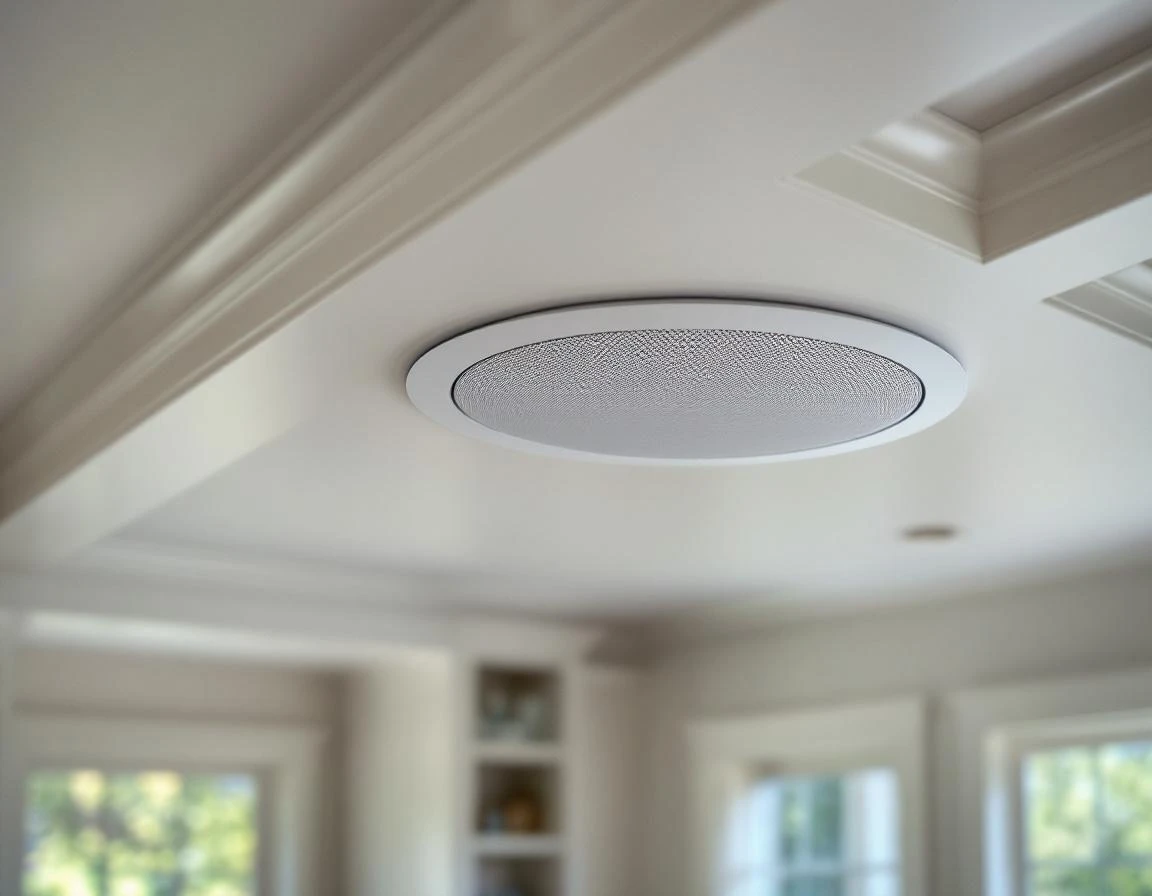
Professional installers address these problems through distributed audio zones rather than single-point stereo systems. Ceiling-mounted speakers positioned at calculated intervals deliver even coverage without hot spots, while acoustic panels placed at reflection points absorb problematic frequencies. Zone control allows different areas within the open space to receive customized sound levels.
Publishing technical explanations of these design approaches demonstrates competency to homeowners researching acoustic solutions. When installers explain why speaker quantity matters more than speaker size in open spaces, or how fabric-wrapped panels preserve aesthetics while controlling reverberation, they answer the exact questions affluent clients research before requesting quotes. This content marketing for AV professionals converts researchers into qualified leads by addressing specific design problems they’re actively solving.
Multi-Room Sync and Network Architecture
Multi-room audio systems rely on network architecture that can handle synchronized playback across zones without audible delay. Latency tolerances for whole-home audio sit below 10 milliseconds—beyond that threshold, homeowners hear echoes as sound drifts between rooms. This requirement shapes infrastructure decisions from the foundation up.
Professional installers design systems around a wired Ethernet backbone connecting each zone’s endpoint, not mesh WiFi distribution. Wireless protocols introduce variable latency as packets compete for bandwidth with security cameras, smart thermostats, and streaming devices. Cat6 cabling delivers consistent packet delivery, eliminating the jitter that creates sync drift during dinner parties when multiple zones play the same source.
Codec selection determines whether your network can support lossless audio or requires compressed formats. Uncompressed PCM streams demand higher bandwidth but preserve studio-quality playback. Installers who explain these trade-offs in blog content demonstrate technical knowledge residential sound systems require, differentiating specification-driven design from product-pushing sales tactics.
Control System Selection Framework
Choosing a control system requires evaluating how well platforms align with your existing smart home ecosystem. Crestron and Savant excel in high-end installations with deep Apple HomeKit integration, while Control4 offers broader third-party device compatibility across Amazon Alexa and Google Home platforms. RTI and Pakedge appeal to installers prioritizing customization flexibility over out-of-the-box ecosystem depth.
User experience complexity varies between platforms. Savant’s iOS-native interface feels intuitive to Apple users but requires installers for configuration changes, while Control4 allows homeowners to adjust scenes and schedules through consumer-friendly apps. Maintenance demands differ too—Crestron systems typically need professional programming for updates, whereas Control4’s dealer portal enables remote troubleshooting without site visits.
The installer’s support model matters as much as the technology itself. Ask whether firmware updates require scheduled service calls or deploy automatically, and whether you’ll manage interface customization yourself or rely on callback visits for simple adjustments.
Content Formats That Build Authority and Drive Leads: Establishing Authority in Residential Automation
Not all blog posts qualify prospects equally. Generic AV industry articles attract casual browsers, while technical deep-dive content brings homeowners already halfway through their decision process. Installers who publish detailed troubleshooting guides—explaining how to address acoustic problems in vaulted ceilings or why speaker wire gauge matters for long cable runs—demonstrate high-end home audio video expertise that transcends marketing copy. These technical pieces function as competency signals that differentiate installers from competitors relying on service descriptions and pricing pages.
Case studies documenting real installations reveal the decision-making process affluent homeowners value most. A walkthrough showing how an installer addressed a client’s open-concept acoustics challenge—selecting distributed speaker placement over a single high-output zone, integrating acoustic panels into architectural millwork, calibrating phase alignment across multiple drivers—builds trust through transparency. Homeowners with similar floor plans recognize their own challenges in these narratives and arrive at consultations already convinced the installer understands their specific situation.
Comparison articles attract prospects in active research mode evaluating platform trade-offs. An installer publishing a detailed analysis of Crestron versus Savant—comparing programming complexity, user interface responsiveness, third-party integration libraries, and service model differences—captures search traffic from homeowners weeks away from requesting quotes. These readers represent higher-value prospects than awareness-stage traffic because they’re comparing solutions rather than discovering needs. The depth of technical comparison pre-qualifies leads by filtering out homeowners seeking budget solutions.
Step-by-step troubleshooting content positions installers as educators rather than vendors. Publishing guides addressing common integration challenges—resolving HDMI handshake failures, eliminating ground loop hum, synchronizing distributed audio across network zones—demonstrates knowledge depth competitors conceal as proprietary expertise. This transparency paradoxically strengthens authority because homeowners recognize the complexity these solutions address and seek professional implementation rather than attempting DIY approaches.

Building a Content Library That Attracts Premium Clients: AV Installer Thought Leadership Content Strategy
A single technical guide demonstrates knowledge. A library of interconnected content establishes authority. Residential AV installers who commit to publishing technical articles monthly—or bi-weekly for aggressive market positioning—build a compounding asset that attracts qualified leads while competitors rely on paid advertising and referrals. AV installer thought leadership content creates this differentiation through sustained technical publishing.
Structure your publishing calendar around both technical depth and seasonal research patterns. Commit to core technical categories: acoustic treatment challenges, control system selection frameworks, and integration problem-solving. Within each category, publish formats that serve different research stages—deep-dive guides for early researchers, case studies for active evaluators, comparison articles for platform decision-makers, and troubleshooting content for post-installation questions.
Timing matters. Affluent homeowners research renovation projects in spring as they plan summer construction timelines. Year-end budget cycles drive automation upgrade research from October through December. Publishing acoustic treatment guides in February and March positions your content when prospects begin searching. Control system comparisons perform best in autumn as homeowners evaluate holiday season upgrades.
Internal linking transforms isolated articles into expertise narratives. When a guide about open-concept acoustics links to your multi-room synchronization article, and both connect to your control system evaluation framework, you demonstrate in-depth knowledge rather than fragmented tips….” This interconnected structure keeps prospects reading multiple articles, building trust through sustained engagement.
Track which technical topics generate qualified opportunities rather than general traffic. Analytics should separate consultation requests following acoustic treatment guides from quote requests after reading control system comparisons. This measurement framework reveals which content attracts homeowners ready to invest rather than casual browsers. Content that consistently generates qualified leads deserves expansion—publish related case studies, comparison updates, and troubleshooting guides within high-performing topic clusters. The professional audio visual systems market continues to grow, making strategic content positioning increasingly valuable for installers seeking to capture premium clients through residential AV design authority rather than traditional advertising channels.