April-May Search Intent Peak: Seasonal Termite Swarms Pest Control
Termite swarm season drives a predictable spike in local search traffic every spring, with seasonal termite swarms pest control becoming top-of-mind for homeowners. When homeowners spot winged insects near windows or doorways, they immediately search for identification help and emergency treatment options, creating concentrated demand in narrow regional windows.
Termite swarm season creates concentrated search
Termite swarms trigger a predictable surge in search activity each spring. When winged termites emerge from colonies in April and May, homeowners across the South, Southeast, and Southwest regions search for identification guides, treatment options, and local pest control services. This concentrated demand creates a narrow window where region-specific content outperforms generic guidance.
National pest control brands publish one seasonal termite article that covers all species and regions. These broad posts miss what homeowners actually need: identification help for the specific termite species swarming in their area. A homeowner in Phoenix encountering desert subterranean termites faces different questions than someone in Jacksonville dealing with Formosan termites. Publishing targeted content for each regional species before swarm season opens ranking opportunities that generic national content cannot capture.
Search volume for termite identification and prevention guide
Search demand for termite identification and prevention doesn’t spike during swarm season—it peaks 2-3 weeks before visible swarms appear in each region. Homeowners research what to look for as temperatures warm and swarming conditions approach, creating a predictable search window that most pest control companies miss entirely.
Local pest control companies that publish region-specific termite guides during this pre-swarm window capture 3-5x more seasonal traffic than competitors who wait until swarms are active.
National brands publish generic termite content on fixed schedules, leaving ranking opportunities for local operators who time their content to regional swarm patterns—Formosan termites in coastal areas, Eastern subterranean termites in the Southeast, and drywood termites in the Southwest each follow distinct seasonal cycles that require different content calendars.
Termite Species by Region
Termite species distribution follows clear geographic patterns across the United States, with each region hosting species that require different identification approaches and treatment protocols. Understanding these regional differences explains why a homeowner in Tampa searching “termite swarm identification” needs fundamentally different content than a Phoenix homeowner entering the same query—and why national pest control sites ranking for both searches provide inadequate guidance. Regional termite control strategies address these distinct pest populations and local conditions.
Southern and Southeastern Termite Species
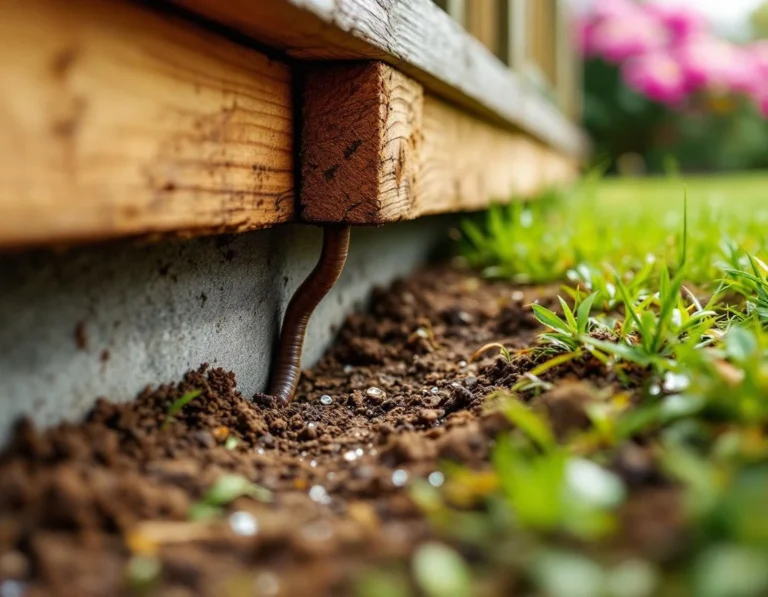
Eastern subterranean termites dominate Texas, Louisiana, Arkansas, Georgia, South Carolina, and Florida. These species build distinctive mud tubes along foundation walls, appearing as pencil-width tunnels of soil particles connecting ground moisture to wood structures. Swarms typically occur from mid-March through early May, with peak activity in April when temperatures reach consistent 70°F ranges. Workers appear cream-colored with soft bodies, while reproductive swarmers display dark brown to black bodies with translucent wings of equal length.
Prevention protocols for subterranean species focus on moisture elimination. Key prevention measures include:
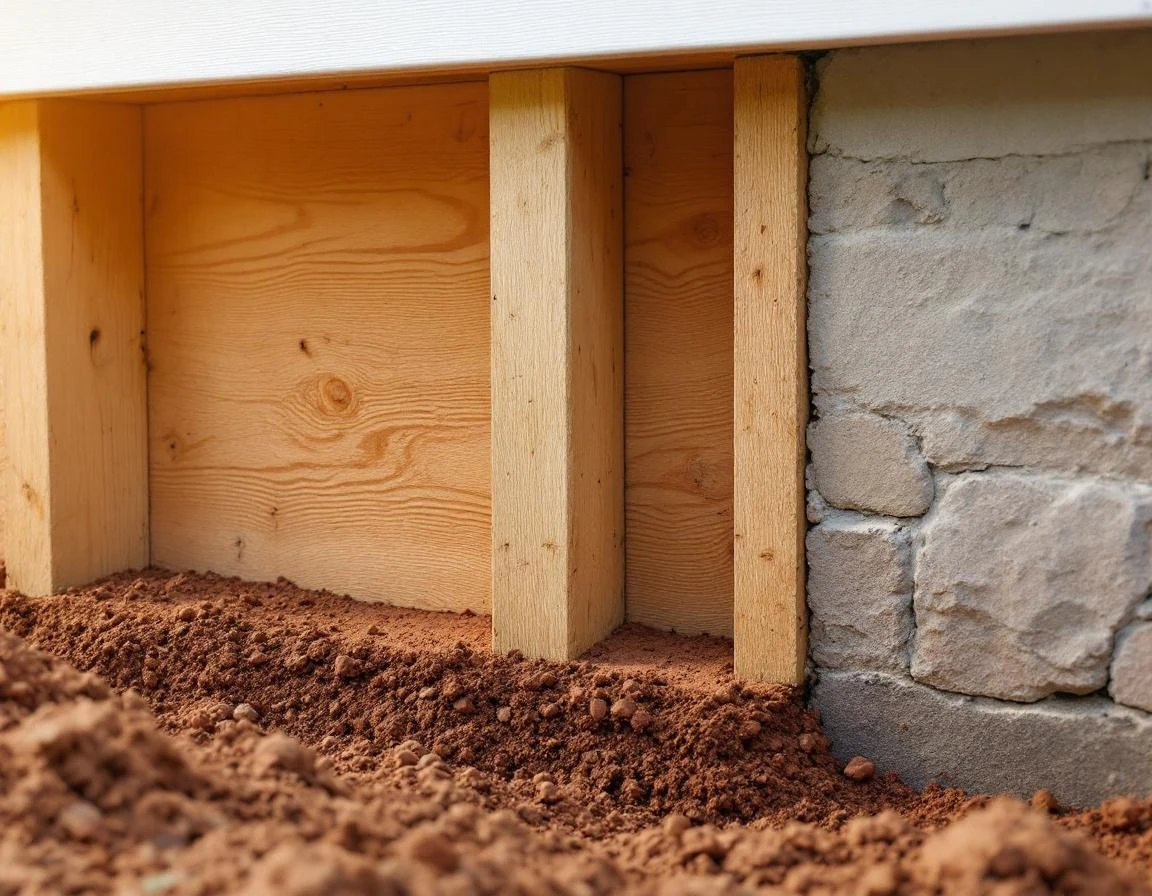
- Install vapor barriers in crawl spaces
- Maintain 18-inch clearance between soil and wood siding
- Repair foundation cracks that allow soil contact with structural wood
- Apply liquid termiticide to soil around the foundation perimeter to create chemical barriers these ground-dwelling colonies cannot cross
Southwestern and West Coast Species
Drywood termites dominate Arizona, California, and southwestern regions. Unlike their subterranean cousins, drywood species live entirely within wood structures without ground contact or mud tubes. Identification markers include distinctive fecal pellets—small, hexagonal pellets resembling sawdust or coffee grounds—pushed from kick-out holes in infested wood. Swarms occur April through June, often later than subterranean species, with peak activity when evening temperatures exceed 75°F.
Drywood prevention requires wood treatment and barrier maintenance. Prevention strategies include:
- Apply borate treatments to exposed wood in attics and crawl spaces
- Seal wood-to-wood joints where colonies establish entry points
- Screen attic vents to block swarmer access
- Use localized treatment such as spot fumigation or heat treatment for active galleries
- Consider whole-structure fumigation for widespread infestations
This species-level variation creates search intent gaps national content cannot fill. A homeowner identifying hexagonal pellets in Phoenix needs drywood-specific guidance, while a Louisiana homeowner discovering mud tubes requires subterranean treatment protocols. Publishing region-specific content addressing local species behaviors allows local pest control companies to rank above generic national guides that attempt universal advice across incompatible termite biology.
Swarm Season Identification Guides
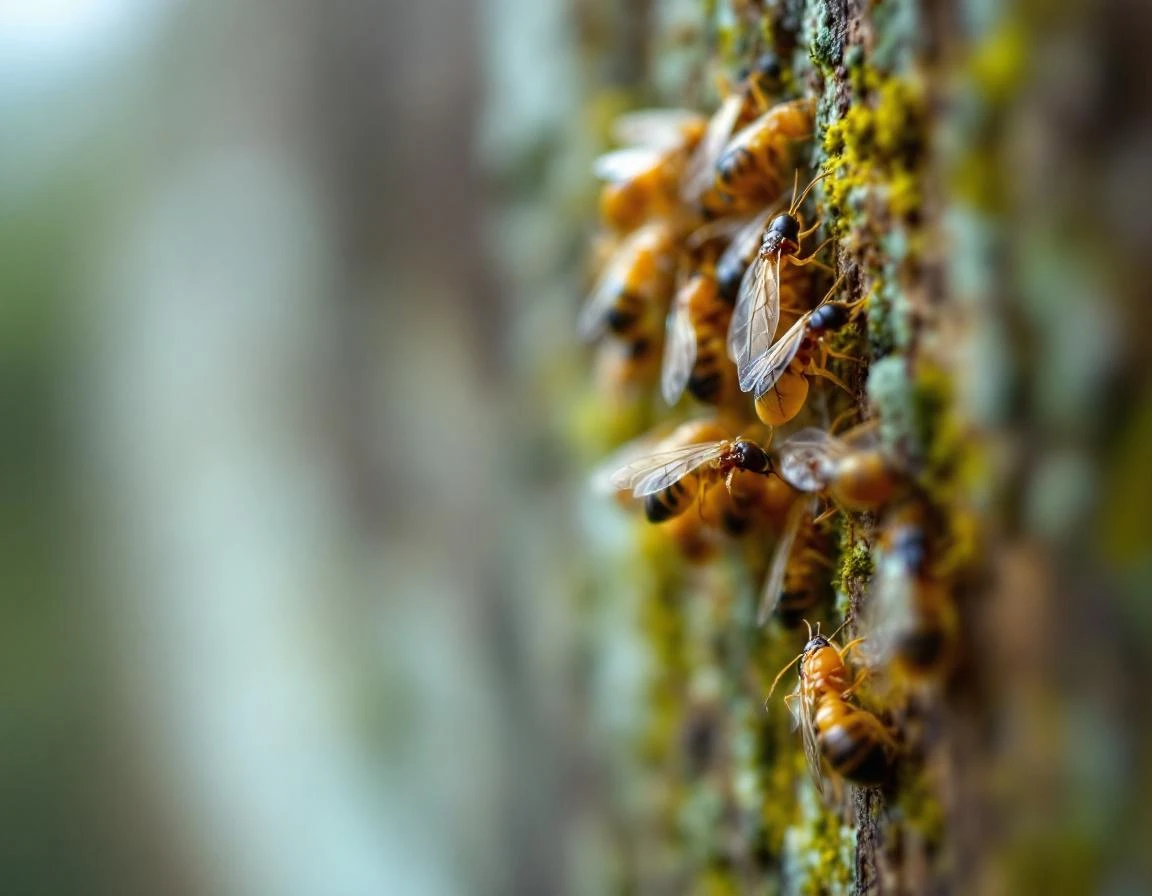
Homeowners searching for termite identification during swarm season ask specific questions: “Are these termites or ants?”, “Termite swarmers in [city name]”. And “Termite identification guide [state]”. These searches spike during the first two to three weeks of swarm season, when winged insects suddenly appear near windows, doorways, and exterior lights. Visual identification guides that show side-by-side comparisons of winged termites versus carpenter ants capture this high-intent traffic from homeowners encountering swarming insects for the first time.
Region-specific identification content consistently outranks generic national guides because it addresses the exact termite species homeowners see in their area. A guide titled “Subterranean Termite Swarmers in Texas: Identification Photos” ranks above a national post titled “How to Identify Termites” because it matches the precise search intent of Texas homeowners seeing their local species. Content that includes photos of species common to each state—Eastern subterranean termites in the Southeast, Formosan termites in Louisiana, or drywood termites in California—answers the specific question users are asking.
The publishing timeline determines which pest control companies capture this traffic. Identification guides should go live five to seven days before peak swarm activity begins in each region. This pre-swarm window catches homeowners researching preventive measures and those experiencing early swarmer activity before the full seasonal surge. Companies that publish during this narrow window rank highest when search volume peaks.
Autonomous publishing systems allow pest control companies to publish three to four identification posts across different service regions in the same week, capturing first-wave search traffic across multiple markets while national competitors publish single generic posts.
A company serving Dallas, Houston, Austin, and San Antonio can publish city-specific identification guides simultaneously, each targeting local search patterns and featuring region-appropriate species photos. This parallel publishing approach captures first-wave search traffic across multiple markets while national competitors publish single generic posts that attempt to serve all regions at once. The result: location-targeted posts rank above broader national content because they match searcher intent more precisely.
Prevention Content Publishing Timeline
The April 2026 publishing calendar directly addresses regional swarm timing variations and the search intent shift from identification to prevention. During the first week of April (April 1-7), publish Southern region prevention guides covering Texas, Louisiana, and Arkansas. These posts focus on four prevention content pillars: moisture control around foundations, chemical barrier installation timelines, pre-treatment for wood structures, and professional inspection triggers specific to subterranean termites.
Week 2-3 (April 8-21) targets Southeast markets in Georgia, South Carolina, and Florida. Prevention-intent queries rise during these weeks as homeowners transition from identifying termite swarms to researching treatment options. Publishing during this window positions regional content when search volume peaks. Each post addresses location-specific prevention protocols—crawl space moisture management in humid coastal areas, soil treatment methods for sandy foundations, and scheduling triggers for professional barrier installations.
Week 4 (April 22-30) delivers Southwest prevention content for areas where drywood termites swarm later in the season. These posts emphasize wood treatment protocols different from subterranean prevention methods—attic ventilation strategies, dry wood replacement timelines, and visual inspection protocols for exposed beams.
Autonomous publishing workflows enable a regional pest control company to publish 4-6 targeted posts across this timeline without hiring additional writing staff. The production cycle that traditionally requires weeks of writer coordination, editing rounds, and approval processes compresses into scheduled publishing batches. While national competitors publish 1-2 generic prevention posts addressing termites broadly, regional operators publish six location-specific guides during the same April window. Each guide ranks for regional prevention queries because it addresses local termite species, regional construction patterns, and area-specific treatment regulations that generic national content cannot match.
Ranking Above National Competitors with Peak Termite Season Content Marketing
National pest control websites like Orkin and Terminix rank for broad queries such as “termite swarm season” or “spring termite prevention,” but they lose ground when homeowners add location modifiers. A search for “termite prevention Houston” or “termites in Dallas” surfaces regional content that addresses local species, climate conditions, and service availability. Generic national guides cannot compete with content built for specific markets.
The ranking advantage comes from location intent alignment. When a Houston pest control company publishes “Subterranean Termite Prevention Guide: Houston” on April 2, that post includes local service area mentions, phone numbers, and inspection booking CTAs. It references Reticulitermes flavipes and R. virginicus colony behavior in Gulf Coast humidity. It matches what homeowners in Houston search for during swarm weeks. A national brand publishing “Termite Prevention 2026” on March 15 ranks for the broad query but drops out of results when searchers add “Houston” or “in my area.”
Autonomous publishing creates a coverage advantage that national competitors cannot match without restructuring their entire content operation. A regional company can publish six location-specific termite guides in April—one for Houston, one for Dallas, one for San Antonio, one for Austin, one for Fort Worth, one for Corpus Christi—while national brands publish one seasonal guide per quarter. Each regional post ranks for its target city plus related prevention and identification queries. Peak termite season content marketing delivers this advantage by timing local pest control seasonal SEO to coincide with regional swarm windows.
The business outcome is measurable. Regional companies publishing four to six termite guides during April capture three to five times more seasonal traffic than competitors publishing generic content. That traffic converts at higher rates because the CTAs match the service area. The result is a direct increase in inspection requests and treatment leads during April and May compared to companies relying on national SEO strategies or single-post seasonal content.
Autonomous Publishing System Setup
Building an autonomous publishing system for seasonal termite swarms pest control requires six connected components that reduce production time from two to three weeks down to three to five days. This system allows one part-time content person to manage six region-specific posts during April 2026, capturing the pre-swarm search window across multiple service areas without freelance writing bottlenecks.
Start by creating region-specific content brief templates that pre-populate three critical elements: local termite species identification markers, region-appropriate prevention protocols, and service area CTAs. A Houston template includes subterranean termite characteristics, soil treatment methods, and Houston-specific booking links. A Phoenix template substitutes drywood termite details, wood treatment focus, and Phoenix CTAs. These templates reduce manual research for each post while maintaining consistency.
Next, build keyword clusters for each region that combine location terms, pest type, and search intent. The Houston cluster pairs “termite swarms Houston” with “subterranean termite prevention” and “April termite season Texas.” Phoenix clusters connect “drywood termite identification Arizona” with “Phoenix termite treatment” and “Southwest termite swarms.” These clusters feed directly into content brief generation, targeting the right regional search patterns.
Set up a content calendar that auto-generates brief creation deadlines ten days before each region’s historical swarm date. If Houston subterranean termites typically swarm April 15-20, the system triggers brief generation on April 5. Phoenix drywood termite content deadlines trigger for late April publication. This automation removes the manual tracking that causes most seasonal content to publish too late.
The week-by-week workflow operates in five stages:
- Brief generation pulls regional templates and keyword clusters
- AI drafting produces initial content matching your brand voice profile
- Regional customization updates species details and local regulations
- Compliance review confirms treatment accuracy and safety disclosures
- Scheduling publishes all regional posts simultaneously
One person manages the entire pipeline during swarm season, reviewing customizations and approving final drafts without writing from scratch.
This system eliminates the staffing constraints that prevent most pest control companies from executing regional seasonal strategies. Instead of hiring multiple writers or missing publication windows, autonomous workflows handle four to six region-specific posts per month during peak season, positioning local operators to capture pre-swarm search traffic before national competitors publish their generic seasonal guides.