
Why Seasonal Content Misses Search Traffic
Most salons publish bridal content on Instagram during wedding season, then watch those posts vanish from feeds within days. This approach captures couples booking last-minute appointments, but misses the larger opportunity: brides begin researching hair styling options twelve to eighteen months before their wedding date. That research happens year-round, creating consistent monthly search volume for queries like “bridal updo ideas,” “engagement photo hair prep,” and “wedding day beauty timeline.” Salons that develop bridal styling guides for salons capture this ongoing search demand instead of waiting for seasonal spikes.
Social-only competitors capture seasonal spikes but abandon nine months of high-intent search traffic. A bride searching “how to prepare hair for professional styling” in November finds salons that published evergreen bridal hair tips, not social posts from May. Google rewards this consistency by surfacing content that demonstrates ongoing expertise rather than episodic campaigns.
Evergreen content builds compounding rankings over time. A detailed bridal styling guide published in January ranks for dozens of related searches by June, captures traffic through peak season, and continues attracting couples planning winter weddings through December. Autonomous publishing enables salons to maintain this year-round presence without manual scheduling. Feeding continuous search demand while social competitors restart their campaigns each season.
Key Takeaway: Evergreen content builds compounding rankings over time, capturing year-round search traffic instead of seasonal spikes that disappear within days.
Five Evergreen Bridal Posts That Rank
These five content pieces address distinct stages of wedding planning, from early research to vendor coordinationtion. Each targets specific search intent and remains relevant year after year, building compounding search traffic without expiration dates.
- Bridal styling guides for salons answer broad searches like “wedding hair ideas” and “bridal hairstyles for long hair.” Brides bookmark these posts during early planning, often 12-18 months before the wedding date. They return multiple times as they narrow their vision.
- Engagement photo hair preparation guides capture high-intent searches from brides planning their first wedding milestone. These posts rank for specific queries like “what to do with hair before engagement photos” and “hair prep timeline for photo shoot.” The search volume stays consistent because engagement sessions happen year-round.
- Wedding day timeline and schedule posts target brides in the final planning phase, searching “wedding day hair timeline” or “when to schedule bridal hair.” This content converts readers into bookings by positioning your salon as the expert guiding their schedule.
- Seasonal hair trend guides for brides blend evergreen structure with seasonal refresh opportunities. A spring trends post from 2024 still ranks in 2026 because the core styling advice remains valid.
- Vendor collaboration guides reach wedding planners and photographers searching “hair and makeup timeline for photographers” or “coordinating with bridal stylists.” These posts generate referral relationships and position your salon within the vendor network.
Post Type 1: Complete Bridal Styling Guide
The complete bridal styling guide serves as your salon’s highest-value content asset, targeting primary search terms like ‘bridal hairstyles’ and ‘wedding hair ideas’ while simultaneously capturing related queries including ‘bridesmaid hairstyles,’ ‘mother of the bride hair,’ and ‘bridal hair styles for round face.’ This single long-form post (800–1,200 words) replaces dozens of short social media posts by addressing multiple search intents within one authoritative resource.
Structure this guide with clear category divisions organized by face shape, hair type, or dress neckline. Each section includes professional descriptions, visual galleries showcasing your salon’s work, and styling instructions that demonstrate your technical expertise. Include a trending styles section updated quarterly to maintain freshness signals for search algorithms. Product recommendations position your salon as a trusted advisor while creating affiliate revenue opportunities.
The anatomy of this post follows a specific search-intent pattern: an introduction addressing why brides search for styling guidance, detailed style categories with professional photography, technical styling tips that showcase expertise, and a consultation booking call-to-action. This structure captures searchers at the research phase and guides them toward conversion.
Once published, this guide generates consistent monthly traffic without requiring updates. Brides search for styling guidance year-round as they plan weddings 12-18 months in advance. Your guide appears in search results for wedding parties researching group styling, mothers seeking age-appropriate elegant options, and brides comparing styles across multiple categories—all from one foundational post that continues ranking month after month.
Post Type 2: Engagement Photo Hair Prep
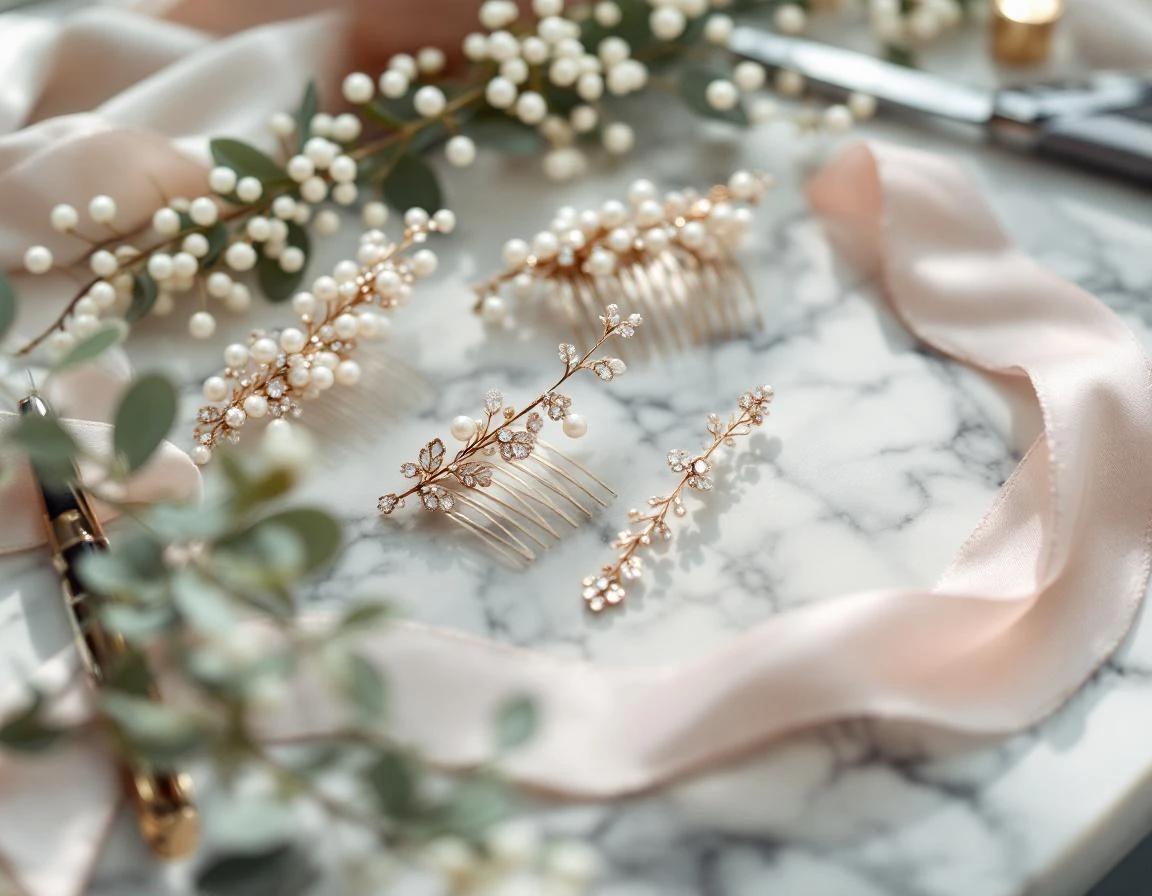
An engagement photo hair preparation guide captures couples searching for styling advice two to six months before their shoot. This post targets engagement photo hair preparation, engagement shoot hair ideas. And seasonal variants that couples search throughout the year. The guide addresses why professional hair prep matters for photography—hair that looks perfect in person can photograph differently under various lighting conditions, and movement during outdoor shoots tests style longevity in ways everyday wear doesn’t.
The post should cover styling options that photograph well across different settings and lighting scenarios, including updos that stay secure during movement, half-up styles that frame faces without obscuring features, and loose waves that add texture without creating shadows. Include product recommendations to prevent frizz in humidity and control shine under bright sunlight or studio lighting. Address timing considerations: when to schedule salon visits before shoots, whether to book a hair trial beforehand, and how to coordinate with photographers about timing and location conditions.
This content captures seasonal search spikes—engagement photos happen year-round, but search volume peaks in January through March and September through October as couples plan around weather and holiday proposals. A post published in March ranks for all four seasonal waves without requiring updates. The guide should prominently feature pre-shoot consultation services where stylists assess hair type, discuss photography settings, and recommend preparation treatments. This consultation booking ties content directly to salon revenue while positioning the salon as a partner in wedding season content ideas for hair salons from the earliest milestones.
Post Type 3: Wedding Day Timeline and Hair
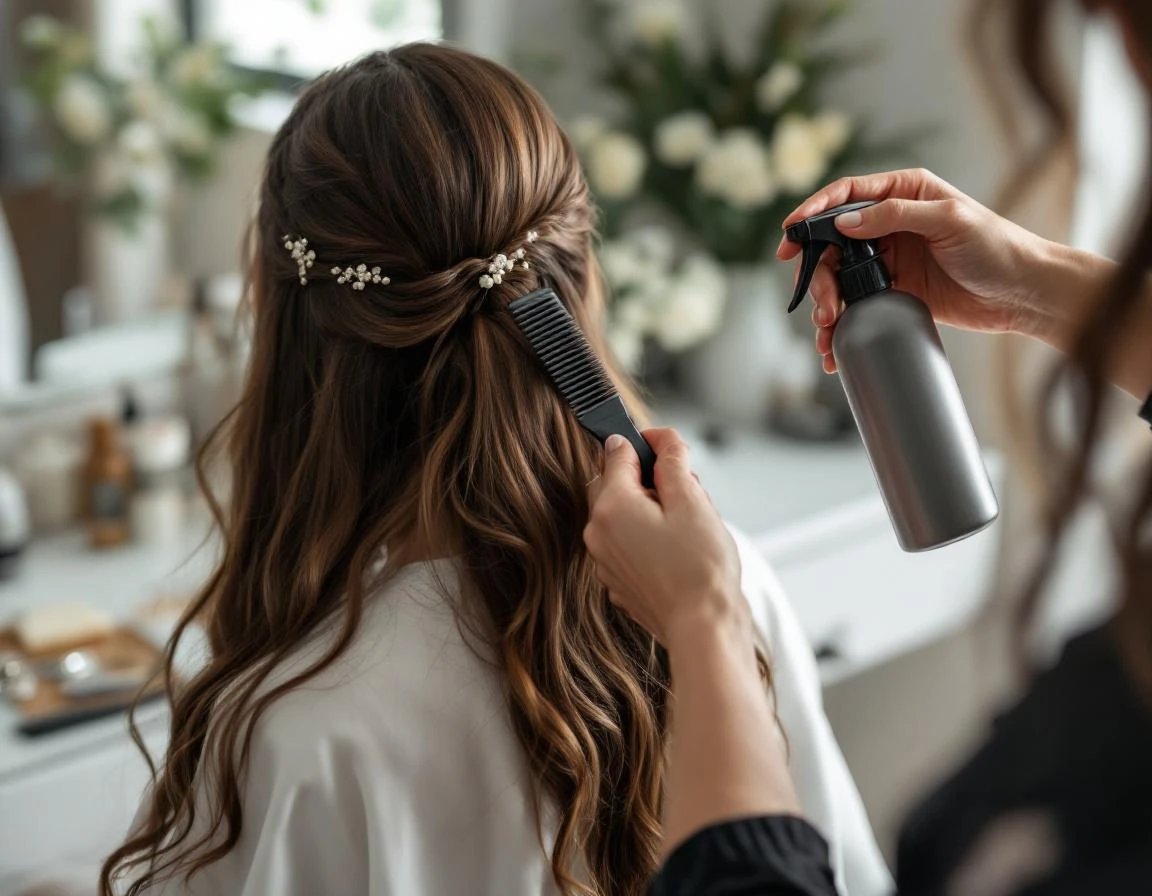
A wedding day hair timeline post guides couples through the logistical complexity of coordinating multiple styles on the day itself. This post targets keyphrases like “wedding day hair timeline,” “when to do hair before wedding,” and “bridal hair schedule” — practical queries from couples, wedding planners, and mothers of the bride managing vendor schedules months before the event.
The post provides clear timing benchmarks: begin bridal styling four to five hours before ceremony start, allocate forty-five minutes for the bride’s updo, thirty minutes per bridesmaid style, and factor in fifteen-minute touch-ups before photography begins. For intimate weddings with ten guests, a single stylist handles the timeline sequentially. For larger weddings with a hundred guests and a five-person bridal party, the post recommends scheduling two stylists working simultaneously or staggering start times to avoid delays.
This content differentiates salon expertise from DIY attempts by illustrating coordination challenges: what happens when the mother of the bride arrives late, how to adjust the schedule if makeup runs over, and why touch-up timing matters for outdoor ceremonies in humid weather. Contingency planning for hair emergencies — broken curling irons, forgotten hairspray, unexpected rain — positions the salon as the experienced partner who has managed these scenarios dozens of times.
Published once, this post captures search traffic year-round from anyone planning a wedding, regardless of season. Couples searching for timeline guidance six months before their October wedding find the same valuable content as those planning a May ceremony.
Post Type 4: Seasonal Hair Trends for Brides
While the four evergreen posts above capture consistent search traffic throughout the year, a seasonal trends guide serves a different strategic purpose. This post targets time-sensitive search terms like “bridal hair trends 2026,” “wedding hairstyles spring 2026,” and “trending bridal looks” that reflect the current fashion cycle.
The structure of this post remains evergreen—organized by season (spring/summer aesthetics versus fall/winter looks), celebrity-inspired styles, and how traditional bridal elements evolve with current fashion. You refresh the specific trend examples annually or every eighteen months, replacing last year’s runway references with current inspiration while maintaining the same organizational framework.
This approach positions your salon as current and expert without requiring constant content creation. The post continues capturing search traffic even as specific trend examples age, because brides search for “wedding hair trends” regardless of which year’s trends you feature. When you do refresh the content, you’re updating one post rather than creating dozens of social media trend announcements that disappear after each season.
Link this trends post to your bridal styling guide and wedding day timeline to create a content cluster. Brides researching current trends also need foundational styling advice and logistical planning, so internal links move them through your complete wedding content pillar while strengthening all posts’ search rankings.
Post Type 5: Vendor Collaboration and Coordination
A vendor coordination guide targets search traffic from wedding photographers, planners, and coordinators researching reliable salon partners. This post addresses salon coordination with wedding photographers and bridal hair vendor tips. Capturing professional searches rather than direct bride queries.
The guide covers timing protocols for photographer arrivals, touch-up logistics during getting-ready photos, and communication frameworks for delayed timelines. Include specific scenarios: what happens when the previous wedding runs late, how on-site stylists support timeline changes, and which hair structures photograph best in different lighting conditions. Address common photographer questions about workspace requirements, timeline buffers, and emergency contact protocols.
This content positions the salon as professional and collaborative. Attracting referral relationships that generate bookings year-round. Photographers who find this guide through search often bookmark it and recommend the salon to multiple clients annually.
Close with a clear call-to-action inviting photographers and planners to contact the salon for partnership consultations, making vendor collaboration an explicit service offering rather than an informal arrangement.
How to Rank Bridal Styling Guides for Salons in Google
Publishing all five posts at once won’t generate the ranking strength you need. Google rewards consistent publishing patterns, so space these posts one to two weeks apart throughout March and April 2026. This cadence signals active content production without overwhelming your editorial calendar.
Internal linking creates the real ranking power. Your bridal styling guide should link to the engagement photo prep post, the wedding timeline guide, and the vendor coordination article. These connections tell Google that your content forms a topical cluster—you’re not just publishing random wedding posts, you’re building strong authority on bridal hair services. When one post ranks, it pulls the others up with it.
Structure each post with H2 tags for major categories (“Classic Bridal Styles” or “Three-Month Planning Milestones”) and H3 tags for specific details (“Soft Romantic Updos” or “Final Week Vendor Confirmations”). Place your primary keyphrase in the title, meta description, first paragraph, and at least one H2 heading. Image alt text matters—describe each photo with relevant keywords rather than generic file names.
Once all five posts are live and interlinked, the cluster compounds over time. A bride searching for engagement photo hair tips might land on that post, then click through to your timeline guide and styling gallery. Each internal link passes ranking authority between posts, creating network effects that isolated articles can’t match. The result: your salon captures search traffic across the entire wedding planning cycle, from early research through vendor selection.
Autonomous Publishing: Reduce Manual Scheduling
Once the five foundational posts are created, a salon can configure an automated content calendar that republishes, refreshes, and promotes this content across owned channels without monthly manual intervention. The bridal styling guide automatically republishes to Instagram Stories and the email list every month during wedding season—January, March, May, September, October, and November. The engagement photo post republishes two months before peak engagement photo season. Seasonal trend guides update annually but post automatically on schedule.
Important Advice: Autonomous systems eliminate the ‘I forgot to post’ problem that derails manual social strategies, where content gaps appear during busy service periods precisely when visibility matters most.
Seasonal content calendars can be built once and repeated year-over-year with minor updates. The wedding day timeline post requires no changes unless service offerings shift. The vendor collaboration guide remains relevant indefinitely. Annual refreshes take minutes rather than hours of creation time. This approach reduces content production overhead compared to manual social-only strategies that require constant new content creation to maintain visibility.
Salons that implement autonomous publishing systems maintain consistent search visibility and social presence without the production burden that causes most manual strategies to fail within six months. The technical feasibility of content automation transforms five well-crafted posts into a self-sustaining marketing engine that captures year-round traffic while the salon focuses on delivering exceptional service.
Getting Started: Your First 30 Days
A solo salon owner can launch this entire strategy in three months without dedicated writing staff. The first week focuses on research: open Google Search Console to identify which wedding-related terms already bring visitors to your site, then use keyword tools to find related phrases brides search throughout the year. Document five primary keywords—one for each foundational post—and map out the heading structure for all five articles before writing anything.
Week two shifts to writing. Draft the bridal styling guide first, aiming for 800–1,200 words with clear H2 and H3 headings that match your researched keywords. Optimize meta descriptions and image alt text before publishing. In week three, publish that guide and monitor Google Search Console to track initial impressions—this data shows which search queries Google associates with your content.
Week four introduces internal linking: write and publish the engagement photo prep post, then add contextual links between it and the bridal guide. This creates the foundation of your content cluster. Months two and three follow a staggered publishing schedule—one post every seven to ten days—until all five are live.
Once the fifth post publishes, configure your autonomous republishing calendar. Set up email sequences that resurface older posts to subscribers, schedule social media posts that rotate through all five articles, or use PublishPuffin’s content pipeline to automate the entire promotion cycle. By month three, you have five interlinked evergreen posts capturing year-round search traffic without monthly manual effort.