Why May Publishing Wins Winter Search for Emergency Plumber Near Me
Plumbing businesses that publish winter emergency guides in May capture search traffic before competitors react. When homeowners search for an emergency plumber near me during frozen pipe emergencies in November and December, your content has already built authority and trust with search engines and homeowners.
Winter emergency plumbing searches peak
Emergency plumbing searches follow predictable seasonal patterns. Search volume for queries like “frozen pipes emergency plumber” and “burst pipe emergency” climbs sharply from November through February, driven by freezing temperatures and water heater failures. This creates a four-to-six-week window between May content publication and peak search demand.
Most plumbing companies publish reactive content during winter emergencies—writing about frozen pipes when homeowners are already searching. But search engines reward content that has been indexed and earning engagement for weeks or months. By publishing winter emergency guides in May, plumbing businesses establish topical authority before competitors enter the space.
When a homeowner searches “emergency plumber near me” during a January cold snap, Google prioritizes content that demonstrates expertise and has earned clicks over time. The business that published in May owns that advantage.
Google ranks established, authority content higher than hastily-created seasonal guides
Search algorithms reward content that demonstrates authority and trust signals built over time. When emergency plumbing searches peak between October and December—particularly queries like “emergency plumber near me” and frozen pipe solutions—Google prioritizes pages that have accumulated engagement metrics, backlinks, and user satisfaction signals during preceding months.
Businesses publishing winter emergency guides in May create a six-month runway for their content to establish authority before search volume peaks. This timing advantage matters because Google’s ranking systems evaluate how users interact with your content. Time on page, bounce rates, return visits. Content published during May has months to accumulate these trust signals while competitors scramble to publish reactive guides in October, entering the competitive window without established authority.
Publishing winter emergency guides in May gives your content six months to build authority, accumulate backlinks, and establish trust signals before competitors enter the market with reactive seasonal content.
Winter Emergency Content Priorities
Not all winter emergencies generate equal search volume, and regional weather patterns determine which topics deserve your content budget. Plumbing businesses in Minneapolis face different priorities than those in Seattle or Atlanta. Mapping your local climate to emergency scenarios means your May-published content captures the highest-intent searches when homeowners need emergency plumbing services winter solutions.
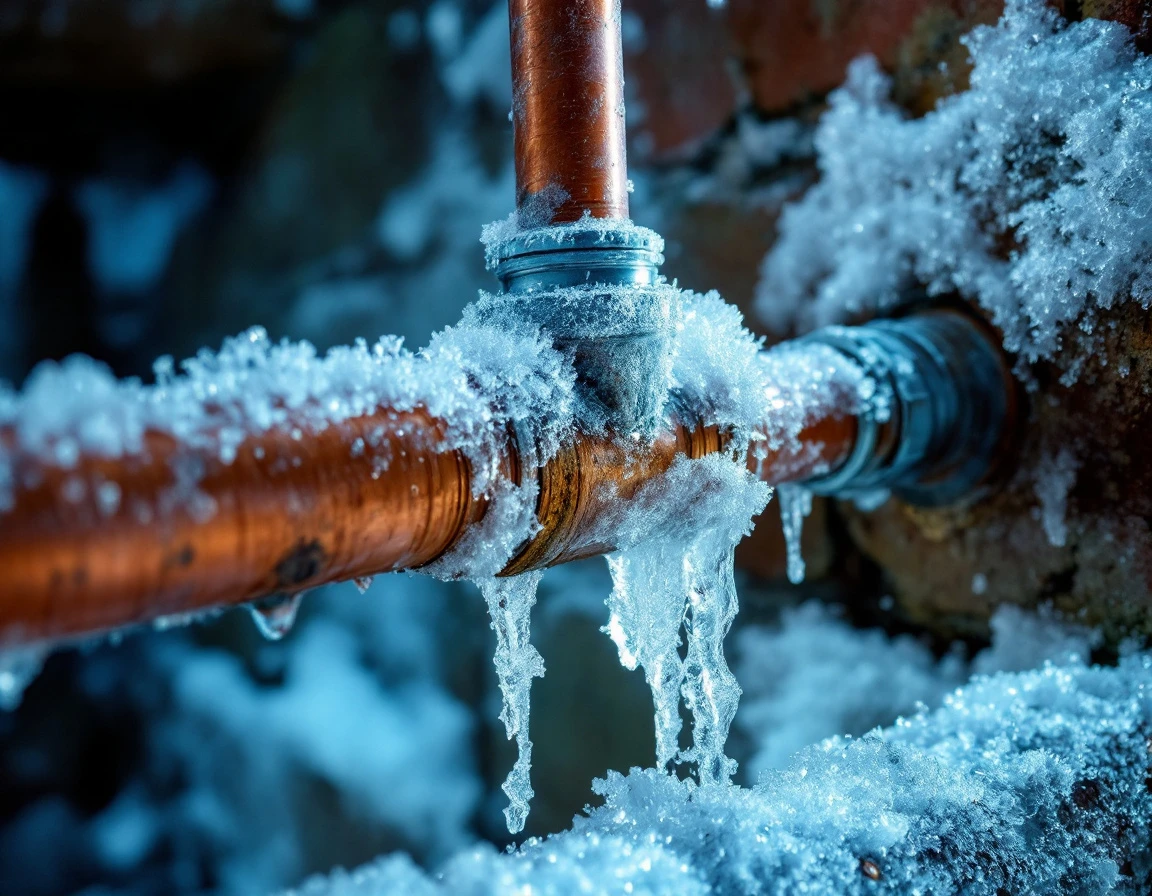
Frozen pipes dominate winter emergency searches in consistently sub-zero climates across the Midwest and Northeast. Homeowners in Chicago, Milwaukee, and Boston search for “frozen pipes emergency plumber” and diagnostic content starting in late October, weeks before temperatures drop below 20°F. These searches reflect a prevention mindset—homeowners researching pipe insulation methods, vulnerable pipe locations, and contractor availability before the emergency strikes. Your content should address both prevention protocols and emergency response procedures, capturing searches at multiple stages of homeowner awareness.
Burst water lines rank second in search volume, peaking in regions experiencing freeze-thaw cycles rather than sustained cold. Areas like Denver, Kansas City, and Philadelphia see pipe bursts when daytime thaws expand frozen water, creating pressure that ruptures weakened pipes overnight. Content targeting “burst water line repair near me” should emphasize damage recognition signs, immediate shut-off procedures, and insurance claim documentation. Homeowners search for this information during the first thaw period, creating a narrow but high-conversion traffic window.
Regional Climate Determines Content Priority
Sump pump failures surge during spring thaw and heavy winter rain, particularly in high-water-table regions like coastal areas and floodplains. Homeowners in these zones search for “sump pump failure emergency” and backup power solutions starting in late winter when groundwater rises. This emergency spans a longer timeframe than frozen pipes, giving your content multiple engagement opportunities from February through April.
Cold-climate businesses should prioritize frozen pipe prevention and diagnostics in their winter emergency content strategy, followed by burst line response protocols and backup heat source guidance. Moderate-climate businesses reverse these priorities, leading with burst line content while maintaining frozen pipe coverage for occasional cold snaps. High-groundwater regions prioritize sump pump maintenance and backup systems, treating pipe emergencies as secondary topics.
Structuring Guides for High-Intent Searchers
When a homeowner searches “emergency plumber near me” at 2 AM with water pooling in their basement, they don’t need background information about pipe materials or the history of residential plumbing. They need immediate answers. Emergency content that ranks and converts follows a specific structure built around urgency, diagnosis, mitigation, and professional intervention.
Start every emergency guide with immediate action in the first 100 words. Open with a direct statement: “If you have frozen pipes right now, shut off your main water supply and call [business phone number]. If you can’t reach a plumber immediately, use a hair dryer on low heat aimed at the frozen section—never a torch or open flame.” This urgency hook stops the scroll and addresses the searcher’s immediate panic while positioning your business as the expert responder.
Follow the urgency hook with diagnostic content that helps homeowners self-identify their specific problem. A frozen pipe guide should explain how to recognize warning signs: no water from faucets, frost on exposed pipes, strange sounds when turning on taps. A burst water line guide needs symptom recognition: sudden pressure drops, water stains appearing on walls, unusually high meter readings. Diagnostic content builds trust because it demonstrates expertise while helping the searcher understand what’s happening in their home.
Include temporary solutions between diagnosis and professional help. Homeowners searching at midnight need to know what they can safely do before a plumber arrives: how to shut off water supplies, where to place buckets, how to protect belongings from water damage. These DIY mitigation steps prevent the problem from worsening while reinforcing why professional help matters.
Close with clear service availability and booking urgency. End every emergency guide with local service information: “Same-day emergency plumber available 24/7 throughout [service area]. Call now for immediate dispatch.” This structure converts searches into service calls because it solves the immediate problem while establishing your business as the authority who can fully resolve the emergency.
Building the May Publishing Timeline
The strategic advantage of early publishing only works when you execute a structured timeline. Plumbing businesses that start in early May and follow a phased approach build topical authority systematically, positioning themselves to capture emergency searches by late fall.
- Week 1 (May 1-7): Research and Planning. Start by analyzing what competitors publish about winter emergencies. Search for “frozen pipe repair” plus your city name and review the first page results. Identify gaps where existing content lacks depth or fails to address regional weather patterns. Use Google Search Console to find secondary keyphrases your site already ranks for in positions 11-20, then target those variations in your new guides. Document regional weather triggers specific to your service area—freeze-thaw cycles, typical first-freeze dates, seasonal groundwater levels.
- Week 2-3 (May 8-21): Content Development. Write three to five guides covering frozen pipes, burst lines, and sump pump failures. Each guide should follow the diagnostic structure covered earlier: immediate action steps, self-identification criteria, temporary solutions, and clear service calls-to-action. Optimize each guide for emergency variations like “emergency plumber near me” and “24-hour pipe repair.” This concentrated writing period means consistency in voice and technical accuracy across all guides.
- Week 4 (May 22-31): Publication Setup. Add internal links connecting each emergency guide to relevant service pages. Schedule publish dates to stagger through late May and June rather than releasing all guides simultaneously. Set up URL tracking in Google Search Console for each new page. Staggered publishing signals ongoing content activity to search engines rather than a one-time publishing event.
- June through August: Maintenance and Amplification. Monitor search performance monthly. Update guides with local service data as you collect customer questions through summer service calls. Repurpose sections of each guide for social media posts and email newsletters. This sustained activity keeps content fresh and builds engagement metrics before search volume climbs in September, so your guides carry strong authority signalsals when winter searches begin.
Capturing Local Search Authority
Emergency plumbing searches carry implicit geographic intent. When a homeowner types “emergency plumber near me” at 2 AM with water pooling on their basement floor, they’re looking for a responder within their service area—not a national guide. Your May-published winter emergency content needs geographic optimization baked into every element, from headings to internal linking structures.
Start by geo-tagging your guide headings with service area names: “Emergency Plumber [City Name],” “[County] Burst Water Line Repair 24/7,” or “Frozen Pipe Emergency Response in [Service Area].” These variations match how searchers combine emergency intent with location qualifiers. But geographic optimization extends beyond headings—embed service area keywords naturally throughout your content by referencing local damage patterns, regional weather data, and nearby emergency response coordination.
Connect your emergency guides to local service pages through intentional internal linking. When your “Frozen Pipe Emergency Guide” links to your “[City] Emergency Plumbing Services” landing page, you create topical clusters that Google recognizes as local authority signals. This linked structure tells search algorithms you’re not just covering the topic—you’re the local provider equipped to solve it.
Include references that ground your guide in local context: “Properties in [County] with crawl spaces face higher freeze risk during January cold snaps,” or “Our emergency response coordinates with [City] water utility shut-off procedures.” These specific details build trust with local searchers while reinforcing geographic relevance signals.
The authority advantage compounds over time. Guides published in May that answer “near me” query variations build ranking strength before competitors activate seasonal PPC campaigns in November. When winter search volume arrives, your organically ranked local content captures high-intent traffic without the per-click costs of reactive advertising. Local topical authority—emergency guides linked to city-specific service pages—outperforms isolated keyword targeting because it demonstrates local expertise rather than surface-level visibility.
Measuring Winter Search Success
Success metrics for May-published winter content fall into three categories: search visibility, ranking position, and business outcomes. Start tracking in June, not November, to capture the full story of how early publishing builds authority before competitors enter the space.
Open Google Search Console and create a dedicated filter for your winter emergency guides. Track impressions and clicks for “emergency plumber near me” starting in June. You should see impressions climbing steadily from July through September as Google indexes and tests your content. Click-through rates will be low during summer months—that’s expected. The goal is establishing presence before search volume spikes in October.
Monitor ranking position for secondary keyphrases like “frozen pipes,” “burst water line,” and “sump pump failure” separately. Aim for top-three positions by October for at least two of your primary emergency topics. If you’re ranking fourth or fifth by late September, add fresh case studies or expand troubleshooting sections to push past competitors.
Business metrics matter more than rankings. Compare November-February call volume and contact form submissions to the previous winter. May-published guides typically drive three to five times more emergency traffic than reactive content published during peak season. Because your content has already earned trust signals and backlinks while competitors were still planning their winter campaigns.
May-published guides typically drive three to five times more emergency traffic than reactive content published during peak season because your content has already earned trust signals and backlinks before competitors activate their winter marketing.
Track these metrics through March, then note what worked. The same guides will rank for winter 2027 with minimal updates—a single spring refresh of pricing and local examples maintains relevance. This is an evergreen investment that compounds: each May publishing cycle builds on the previous year’s authority.