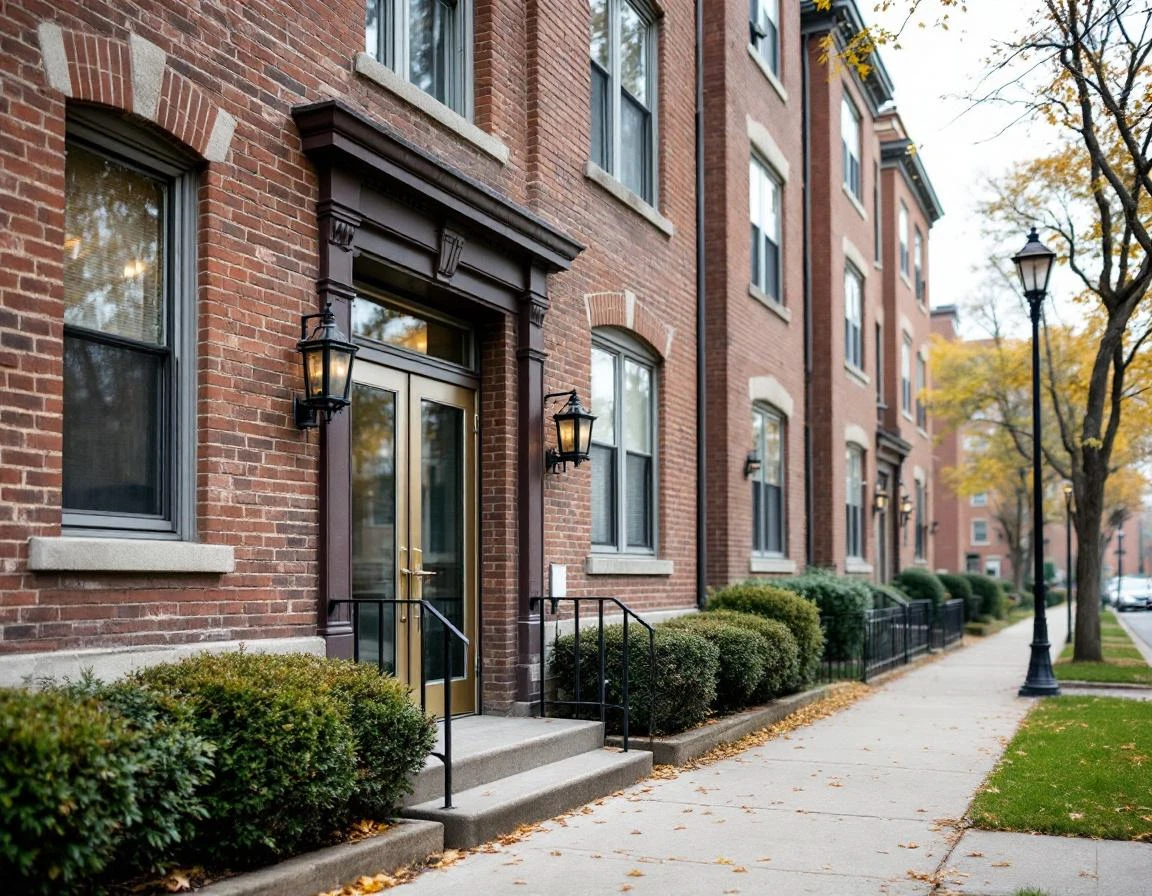
Vacancy Cost & Tenant Turnover Reality
Every day a rental unit sits vacant represents lost revenue that accumulates quickly when accounting for foregone income, utilities, marketing costs, and staff time spent coordinating showings and processing applications. Modern property manager tenant communication software addresses this directly by automating how information flows between management teams and prospective tenants during critical decision windows.
Manual communication workflows extend these vacancy periods in measurable ways. When tenant onboarding relies on phone tag, email chains, and paper document exchanges, the move-in process stretches 5 to 10 days longer than necessary. New tenants wait for lease documents, maintenance teams miss orientation appointments, and first-month rent collection delays compound the revenue gap.
Inconsistent communication creates friction throughout the tenant lifecycle.
When lease compliance expectations aren’t clearly communicated upfront, property managers field preventable questions about parking rules, pet policies, and maintenance request procedures.
This reactive communication pattern increases tenant dissatisfaction and contributes to higher move-out rates at lease renewal time.
The problem intensifies during peak turnover season from May through August, when property management teams juggle multiple unit transitions simultaneously. Communication gaps widen as staff spread thin across competing priorities. Templated welcome emails sit unsent, maintenance schedules slip, and the personalized attention that builds tenant satisfaction becomes impossible to maintain at scale.
Autonomous Content Engines: Property Manager Tenant Communication Software Setup
An autonomous content engine isn’t AI magic—it’s a structured workflow that publishes pre-written or templated content automatically when specific conditions trigger publication. In property management, these triggers connect directly to your management software: a unit moves to “turnover” status, a lease gets signed, a maintenance request comes through. The engine responds by publishing the right content at the right moment, without manual intervention.
Three content pillars drive the highest tenant engagement and retention:
- Tenant onboarding guides deliver property-specific details before move-in day—parking assignments, trash schedules, emergency contacts, Wi-Fi passwords. A new tenant at 2847 Oak Street receives a guide with that exact address, their lease start date, and unit-specific rules about balcony use or pet policies.
- Preventive maintenance tips rotate quarterly with seasonal relevance—winterizing outdoor faucets in October, testing AC units in March, cleaning gutters before spring storms.
- Lease compliance education breaks down complex lease clauses into readable explanations: what “quiet enjoyment” actually means, how the guest policy works, when rent is considered late.
Personalization tokens make each piece feel custom-built. The system inserts property address, lease start date, tenant names, and unit-specific rules automatically. A tenant moving into a third-floor walk-up sees different content than someone in a ground-floor unit with patio access.
Publication timing matters. Onboarding guides go live three days before move-in, giving tenants time to review before key pickup. Maintenance tips publish on the first of each quarter. Compliance content updates whenever lease terms change or common questions emerge from tenant inquiries.
This connected content delivery accelerates tenant familiarity, builds confidence in management responsiveness, and reduces the uncertainty that extends vacancy periods when prospective tenants compare properties.
Tenant Onboarding Sequence Templates
An effective onboarding sequence delivers the right information at the right time, building tenant confidence without overwhelming them on move-in day. Day 1 templates include welcome packets with move-in checklists. Parking assignments, emergency contacts, and property manager introduction—all pulling dynamic data like lease start date, unit number, and assigned parking space directly from your property management system.
Days 2-3 shift focus to unit-specific operational guides. Templates incorporate appliance model numbers, WiFi network credentials, and maintenance request portals customized to each property. A tenant moving into Unit 204 receives water heater troubleshooting steps and thermostat instructions specific to that unit’s equipment, not generic guidance that requires guesswork.
By Day 7. Tenants receive lease terms summaries and frequently asked questions addressing pet policies, guest parking, and rent payment methods—topics that generate the most first-month inquiries. Day 14 templates introduce community amenities, quiet hours, and neighbor guidelines once tenants have settled their immediate operational concerns. This sequencing reduces confusion during the critical first month when move-out hesitation peaks.
Preventive Maintenance Content Automation
Property managers who set up templated maintenance education see tenants report issues earlier, before minor problems become expensive repairs. The automation works through two trigger types:
- Seasonal schedules publish automatically at fixed intervals. Your content engine publishes HVAC filter change reminders in April and September, gutter cleaning guides in October and March, and basement drainage checks before spring thaw. These guides arrive when tenants need them, reducing emergency maintenance calls during peak seasons.
- Event-based triggers activate when specific maintenance requests enter your system. When a tenant submits a leaky faucet request, your engine publishes a basic plumbing troubleshooting guide to their tenant portal within minutes. The guide explains which repairs tenants can handle and when to escalate to professional service.
This approach reduces vacancy costs by minimizing damage during occupancy. Tenants who understand preventive maintenance catch problems early, repairs stay minor, and unit turnovers require less restoration work between leases.
Implementation: First 60-Day Roadmap for Tenant Communication During Property Turnover
Property managers can launch their content engine in time for May turnover season by following a structured eight-week roadmap. This timeline aligns with peak rental activity while building the infrastructure needed for long-term automation.
Weeks 1-2: Diagnose Communication Gaps
Start by auditing your current tenant communication workflow. Review exit surveys from the past six months to identify recurring confusion points. Pull maintenance ticket data to find questions tenants ask repeatedly. Most property managers discover gaps in three areas: move-in procedures that tenants don’t understand, maintenance protocols that create unnecessary emergency calls, and lease terms that generate compliance issues.
Weeks 3-4: Build Content Templates
Create templates for your three content pillars. Write a 14-day onboarding sequence that covers move-in checklists, community guidelines, and rent payment procedures. Draft seasonal maintenance guides for HVAC care, winterization, and landscaping expectations. Develop lease compliance materials that explain noise policies, guest rules, and parking regulations. These templates become your reusable library—write them once, deploy them for every tenant.
Weeks 5-8: Automate and Test
Set up delivery triggers in your property management software or a basic scheduling tool. Configure the system to send onboarding content when a lease starts, maintenance reminders based on calendar dates, and compliance materials 30 days before lease renewal. Pilot the system with your next unit turnover. Track two metrics: tenant satisfaction scores and days from lease signing to move-in completion. Most property managers see measurable improvement by week eight—tenants report fewer questions and move-in processes complete faster.
Run the numbers on your portfolio. Managing multiple units with regular turnover cycles means accounting for vacancy periods that reduce your rental income. Reducing vacancy gaps recovers lost revenue that would otherwise slip away during transitions between tenants.

Measuring Vacancy & Satisfaction Gains
Property managers need concrete metrics to prove their autonomous content engine is working. Track days-to-occupancy as your primary indicator—most managers see a 5-10 day reduction within their first 60 days of implementation. For a property manager with 10 units averaging one turnover per year, reducing vacancy from 14 days to 9 days creates direct revenue recovery: 5 days × $50 daily rent × 10 units = $2,500 annually, compared to roughly 10 hours of initial template creation and setup labor.
Beyond vacancy metrics, monitor tenant satisfaction scores during the move-in period. Survey tenants at 30 days about communication clarity, onboarding experience, and maintenance responsiveness. Property managers using automated content consistently report improved scores because tenants receive information exactly when they need it, without delays caused by manual workflows.
Track lease renewal rates as your retention indicator. Tenants who receive regular, helpful maintenance tips and clear lease compliance information through automated sequences show 5-15% higher year-two retention rates.
Property management vacancy reduction strategies that include tenant guides and lease education automation directly influence renewal decisions.
This metric takes longer to materialize but proves the thesis: content that educates tenants during occupancy directly influences their renewal decision.
Calculate your ROI monthly: (days saved × average daily rent per unit × annual turnovers) minus (content creation hours × your hourly rate). Most property managers hit positive ROI within the first 60 days, with returns compounding as templates serve multiple tenants across properties.