Why Google Maps Can’t Capture Your Story
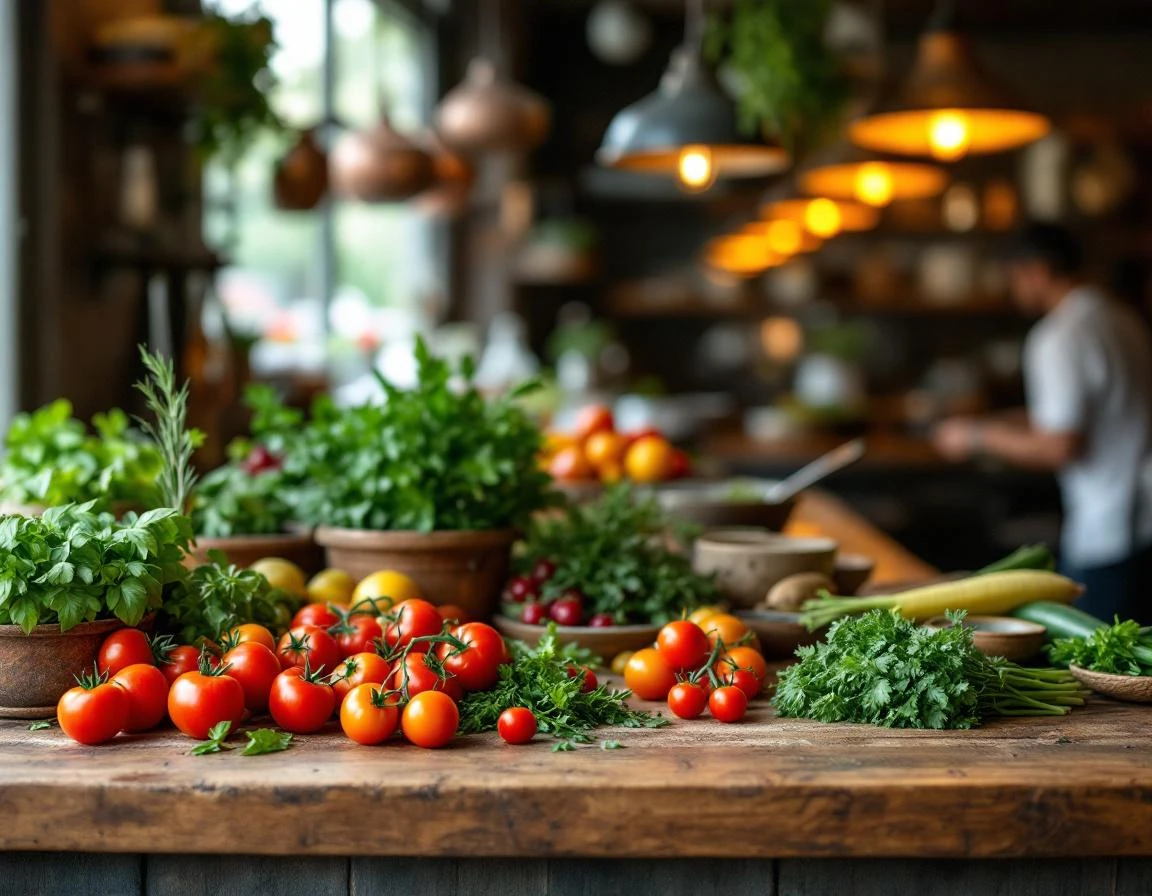
Google Maps shows your location and hours. Your blog tells diners why your chef sources heirloom tomatoes from a specific farm. For farm-to-table restaurants, content marketing transforms how customers discover you—moving beyond review platforms to reach food-conscious diners searching for authenticity and sourcing transparency.
Review platforms prioritize recency and volume
Google Maps and Yelp rank restaurants based on review frequency and star ratings, not the depth of your sourcing philosophy or chef expertise. When a diner searches for “spring morel sourcing near me” or “chef interviews farm sourcing,” these platforms return zero relevant results because they lack the content infrastructure to surface narrative-driven queries.
These long-tail searches represent qualified traffic from food-conscious diners actively seeking authenticity and transparency. Your blog content fills this gap, capturing discovery searches that review platforms structurally cannot serve.
Food-conscious diners increasingly search
Today’s food-conscious diners research more than star ratings before choosing a restaurant. They search for authenticity signals: farm partnerships, chef philosophies, ingredient sourcing stories. These qualitative searches return no results on review platforms built to rank by recency and volume.
Owned content transforms restaurants from commodity service providers into culinary authorities. When a farm-to-table restaurant publishes weekly sourcing stories and chef interview content strategy, it builds trust with diners who value transparency and craftsmanship—readers who become loyal customers rather than one-time visitors.
Weekly Publishing Without a Full-Time Writer
The barrier for most restaurants isn’t understanding why content matters—it’s finding time to produce it consistently. Autonomous content engines eliminate this constraint by transforming brief operational notes into publication-ready content. A restaurant owner spends 15-20 minutes weekly documenting supplier relationships or seasonal ingredients, and the engine handles expansion, structure, keyword optimization, and scheduling.
Here’s how the process works in practice. A chef inputs brief sourcing details: “Local farmer Sarah grows microgreens in East County, started supplying us March 1, uses no pesticides, delivers twice weekly.” The engine researches related topics, identifies search opportunities around pesticide-free produce and spring microgreen sourcing, then produces a 1,200-word post covering Sarah’s farming methods, microgreen varieties, nutritional profiles, and menu applications. The chef’s voice remains central—the engine amplifies it by handling research depth and SEO architecture that few restaurant teams have bandwidth to manage.
This approach reduces content overhead measurably compared to hiring dedicated writing staff. Autonomous content engine restaurants manage keyword integration, internal linking between posts. And publication scheduling across platforms. Restaurant teams focus on operations while maintaining consistent weekly publishing that builds search authority over time. May timing creates particular advantage: spring ingredients like asparagus, peas, morels, and ramps are transitioning into peak season. Content published now about current sourcing captures searchers planning dining decisions throughout the May-June peak period.
Three Content Pillars for Farm-to-Table Restaurant Content Marketing
Farm-to-table restaurants that commit to consistent blog content need a focused strategy built around three pillar types. Each pillar captures long-tail searches that review platforms ignore, positioning the restaurant as a culinary authority rather than just another map listing.
- Weekly sourcing stories document supplier relationships and ingredient origin narratives. These posts rank for queries like “how restaurants source local beef” or “spring pea sourcing transparency” that food-conscious diners search when researching dining options. A post titled “How We Source Spring Peas: Three-Week Wait for Peak Sweetness” answers questions Google Maps cannot address, establishing trust through transparency. Review platforms display ratings and hours, but they cannot convey the decision-making behind ingredient selection.
- Chef interviews explore culinary philosophy and farm partnerships through first-person narrative. Content optimized for “chef philosophy ingredient selection” or “why chefs wait for local ramp season” captures searchers investigating a restaurant’s values before making reservations. These interviews reveal decision-making processes that differentiate committed farm-to-table operations from restaurants merely using the label as marketing language.
- Seasonal ingredient guides align with menu planning cycles and current availability. A “May Morel Guide: Forage Location, Prep, and Farm Partnership” post ranks when diner interest peaks alongside ingredient season, driving qualified traffic from searchers exploring spring dining options. These guides demonstrate real-time ingredient knowledge that static review platform listings cannot match. Reinforcing culinary authority through timely, specific expertise that maps and directories will never surface.
Building Your Seasonal Content Calendar
Strategic content timing requires mapping supplier availability to publication deadlines weeks before ingredients reach peak season. Restaurants sourcing morels in late April should publish forage stories and preparation guides by early May, positioning content to rank when search volume peaks mid-May through June as diners plan visits around seasonal menus.
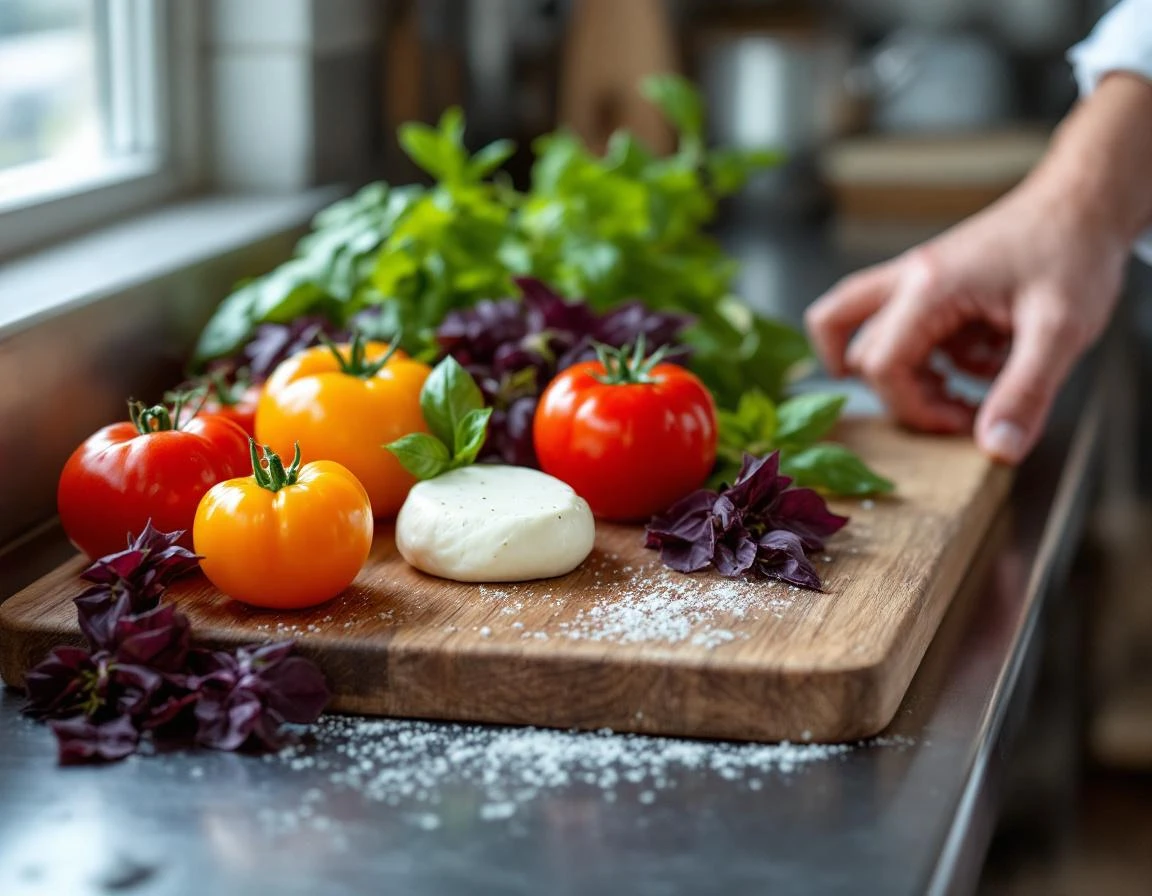
A practical publishing calendar aligns with regional harvest windows: spring peas and morels dominate late April through May content, early summer berries and stone fruits anchor June publications, and midsummer tomatoes with fresh herbs carry July-August posts. This cadence matches both supplier delivery schedules and diner search behavior as meal planning follows ingredient availability.
Autonomous engines enable batch production of four monthly posts—one sourcing narrative, one seasonal ingredient guide, one chef interview, one seasonal reflection—scheduled for weekly publication. Pre-publishing three to four weeks ahead captures early search intent before competitors respond to seasonal shifts. May publication positions restaurant sourcing stories to rank throughout peak dining months rather than arriving after search volume fades.
Content published in May remains discoverable year-round, serving next season’s searches while establishing authority during current harvest windows. This approach transforms seasonal sourcing from operational reality into discovery traffic that review platforms cannot intercept, connecting restaurants with food-conscious diners researching ingredient provenance before booking tables.
Measuring Direct Bookings from Content
Farm-to-table restaurant blog strategy delivers measurable results when restaurants track the right metrics. Restaurant measurement focuses on:
- Organic traffic growth from sourcing and ingredient keywords tracked via Google Search Console shows whether your content captures discovery searches that review platforms miss. Monitor rankings for long-tail terms like “spring asparagus sourcing Portland” or “farm-to-table chef interviews” to see which posts attract food-conscious diners researching authenticity signals.
- UTM parameters on blog posts measure click-through to your reservation system. Tag each sourcing story or ingredient guide with campaign parameters to track which content types drive booking intent. Session-to-reservation conversion rates reveal content ROI versus review platform dependency, showing whether owned content attracts qualified traffic.
- Direct booking attribution captures the qualitative proof. Train front-of-house staff to note when customers mention reading a sourcing story or ingredient guide when they book. This anecdotal data validates that content influences dining decisions.
Realistic expectations: restaurants publishing weekly via autonomous content engine restaurants should see 30-50% increase in organic food-related discovery traffic within three months, with measurable uptick in direct bookings mentioning sourcing by months two or three. May timing compounds results—spring content published now ranks through peak summer dining season, maximizing visibility during highest-intent searches. Owned content provides measurable proof that blog publishing beats reliance on platforms that charge commission and limit narrative control.